Best Time to Visit Bali: Weather, Crowds, and Local Secrets
 Apr, 28 2026
Bali Trip Planner & Season Finder
Tell us what matters most for your trip, and we'll suggest the ideal months for your visit.
Recommended: ...
Select your preferences to see the recommendation.
Key Takeaways for Your Trip
- Prime Time: May to September (Dry Season) for the best weather.
- Budget Picks: October to November (Shoulder Season) for lower prices.
- Wild Card: December to March (Wet Season) for lush landscapes and fewer crowds.
- Top Activity: Surfing is best from April to October.
- Crowd Warning: July and August are the most crowded months.
Decoding the Bali Weather Cycle
Unlike many places, Bali doesn't have four seasons. Instead, it deals with a tropical climate governed by the Monsoon is a seasonal reversing wind apparent in the Indian Ocean, which causes significant rainfall. This means you really only have two options: the dry season and the wet season.
From April to October, the island is dominated by the dry season. The air is crisp, the skies are blue, and the humidity is manageable. This is when most people flock to the island. However, if you visit in July or August, you'll notice that the Dry Season brings a surge of tourists from Australia and Europe, making popular spots like Ubud feel more like a crowded mall than a spiritual retreat.
Then there's the wet season, running from November to March. Now, don't let the word "monsoon" scare you. It rarely rains all day. Usually, you'll get a massive, dramatic downpour for two hours in the afternoon, and then the sun pops back out. The trade-off? The humidity spikes, making it feel like you're walking through a warm soup, but the landscapes become impossibly green.
The Goldilocks Zone: May, June, and September
If you're looking for the best month to visit Bali, aim for the "shoulder" months of the dry season. May, June, and September are the sweet spots. Why? Because the weather is nearly perfect-sunny and dry-but you avoid the absolute peak of the summer crowds that hit in July and August.
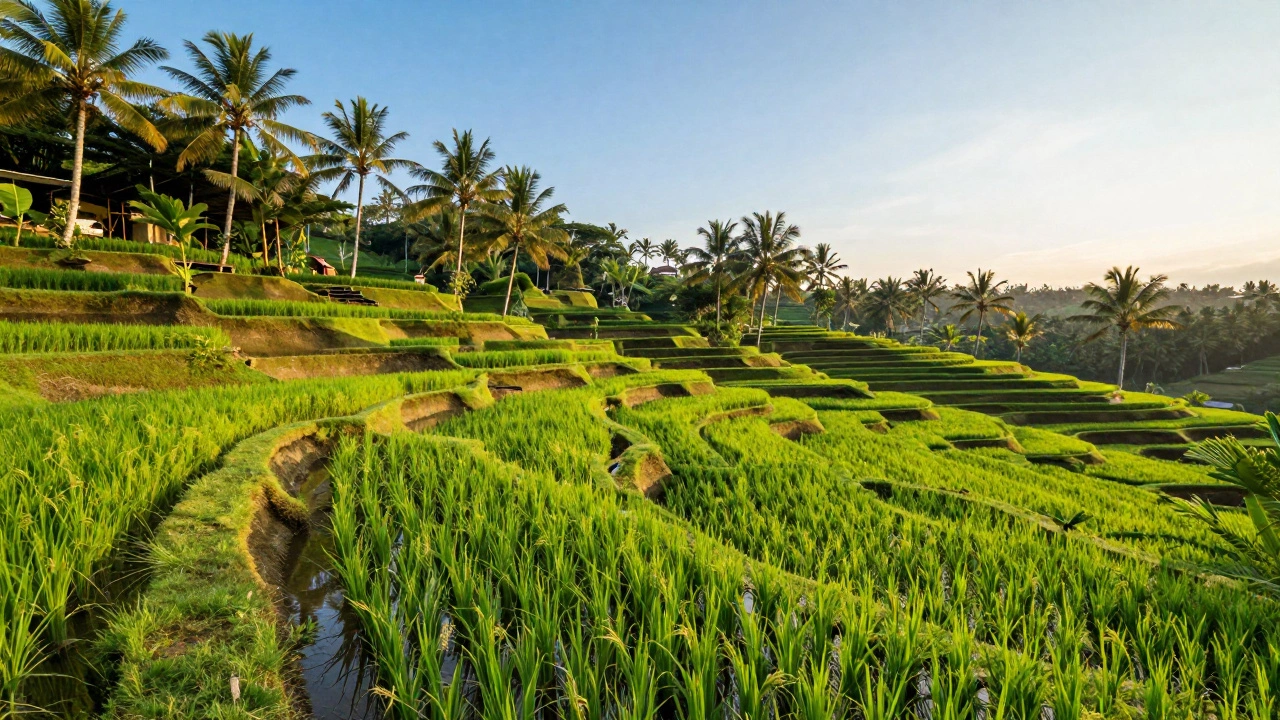
In May, the island is waking up after the rains. The Tegallalang Rice Terrace is a famous UNESCO-listed landscape of tiered rice paddies in Ubud at its most vibrant green. You can hike the Mount Batur is an active volcano in Bali known for its sunrise trekking trails without worrying about slippery mud or sudden cloudbursts blocking your sunrise view. Plus, hotel prices are often more reasonable before the July rush.
September is equally great. The winds are steady, which is a dream for surfers hitting the breaks at Uluwatu. The humidity is at its lowest, meaning you can actually walk from your hotel to a café without needing a shower immediately afterward.
The Budget Traveler's Gamble: November to March
Is it possible to enjoy Bali during the wet season? Absolutely. In fact, if you're a budget traveler or a photographer, this is your time to shine. From November to March, luxury villas that normally cost $500 a night might drop their prices by 30% to 50% just to fill rooms.
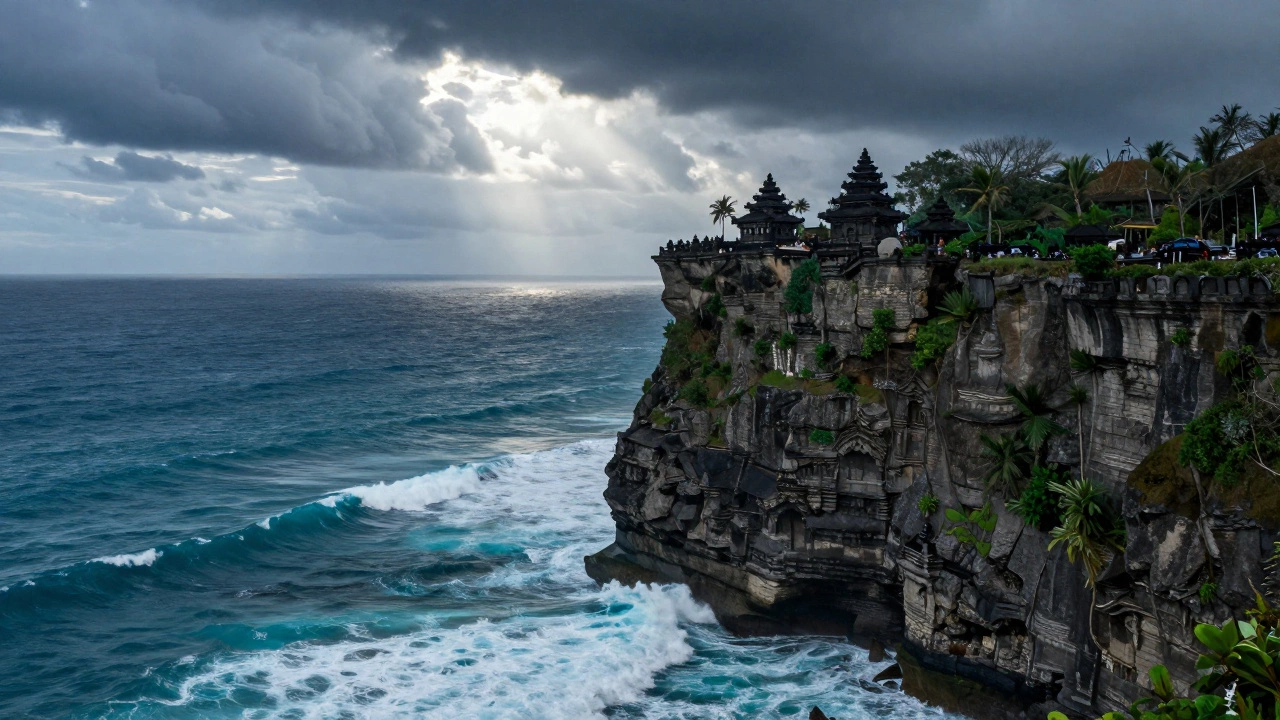
The biggest advantage of visiting during the Wet Season is the lack of crowds. You can visit the Uluwatu Temple is a sea temple perched on a steep cliff along the coast of Bali and actually hear the ocean instead of the chatter of a thousand other tourists. You'll also find that the waterfalls, like Tegenungan or Sekumpul, are roaring with power and volume, whereas in August they can sometimes dwindle to a trickle.
However, there's a catch. Seaweed often washes up on the beaches of Kuta and Seminyak during the rainy months, turning the sand brown and smelling a bit like rotting eggs. If your dream vacation involves pristine white sand, avoid January and February.
| Feature | Dry Season (May-Sept) | Wet Season (Nov-March) | Shoulder Season (April, Oct) |
|---|---|---|---|
| Weather | Sunny, Low Humidity | Rainy, High Humidity | Mild, Occasional Rain |
| Crowds | Very High (Peak in July/Aug) | Low to Moderate | Moderate |
| Prices | Highest | Lowest (Great Deals) | Mid-range |
| Landscape | Slightly Brown/Dry | Neon Green/Lush | Bright Green |
Planning Around Bali's Cultural Calendar
Beyond the weather, you should consider the Nyepi is the Balinese Day of Silence, a Hindu day of absolute quiet and fasting. This is perhaps the most important date for any traveler to know. Nyepi usually falls in March. For 24 hours, the entire island shuts down. No one is allowed on the streets, including tourists. The airport closes, shops shut their doors, and even the lights in hotels are dimmed.
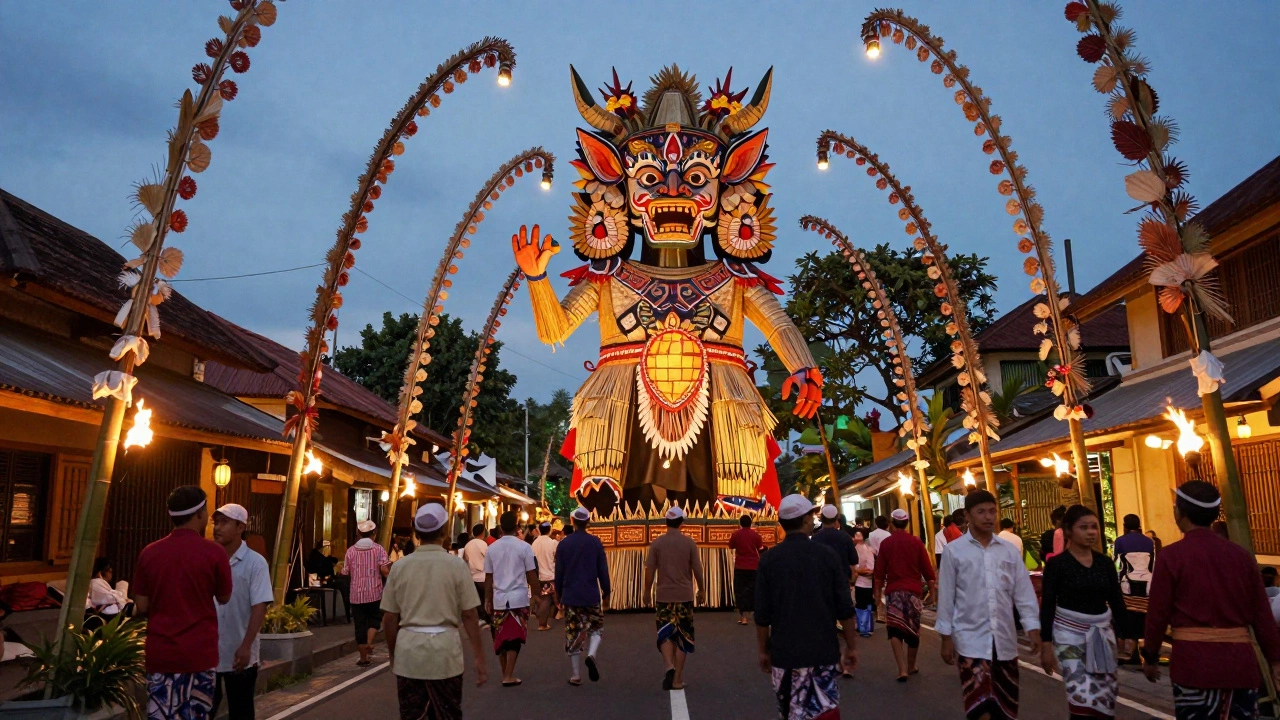
If you're in Bali during Nyepi, you'll spend the day inside your hotel. It's a deeply spiritual and peaceful experience, but if you've planned a day of sightseeing or a trip to the beach, you're out of luck. On the flip side, the day before Nyepi features the Ogoh-Ogoh is massive effigies of demonic spirits paraded through streets to ward off evil parades, which are a spectacular sight of art and culture.
If you're visiting during the dry season, you might also hit some of the major Galungan or Kuningan festivals. You'll see the streets lined with Penjor (tall, decorated bamboo poles), which makes the island feel incredibly festive and authentic.
Practical Tips for Any Month You Choose
Regardless of when you go, Bali has some quirks you need to be ready for. First, always pack a lightweight raincoat, even in July. Tropical weather is unpredictable; a clear sky can turn into a thunderstorm in ten minutes.
If you're visiting during the wet season, avoid planning your most important outdoor activities (like a wedding shoot or a mountain trek) for the afternoon. Schedule your excursions for 6:00 AM to 11:00 AM. Most rain happens after 2:00 PM. This is a pro move that allows you to get your photos and hiking done before the clouds roll in.
For those visiting in the height of summer, book your Accommodations at least three months in advance. The boutique villas in Canggu and Uluwatu fill up incredibly fast. If you wait until June to book a July trip, you'll either pay double the price or end up in a budget hostel far from the beach.
Is Bali worth visiting in the rainy season?
Yes, absolutely. The rain usually comes in short, intense bursts rather than lasting all day. The island is significantly cheaper, less crowded, and the landscapes are at their most lush and green. It's ideal for those who don't mind a bit of humidity and want a more peaceful experience.
When is the absolute cheapest time to visit Bali?
January and February are typically the cheapest months. Because it is the height of the rainy season, airlines and hotels offer deep discounts. You can often find luxury resorts for a fraction of their peak-season cost.
Do I need to worry about hurricanes or typhoons in Bali?
Bali is generally safe from the major typhoons that hit other parts of Southeast Asia due to its location and the protection provided by the surrounding islands. You'll deal with heavy rain and wind during the monsoon, but catastrophic storms are rare.
What is the best month for surfing in Bali?
The best surfing conditions are found during the dry season, from April to October. During this time, the swells on the west coast (like Uluwatu and Canggu) are consistent and high-quality. The wet season shifts the best swells to the east coast beaches.
What happens if I visit during Nyepi?
You will be confined to your hotel or villa for 24 hours. There is no transportation allowed, and the airport is closed. It is a day of silence and reflection. Make sure your hotel provides meals and entertainment for the day, as you cannot go out to eat or explore.
Next Steps for Your Bali Adventure
Once you've picked your month, your next move is to map out your zones. If you're going in the dry season, prioritize the south coast and Ubud. If you're venturing in during the rainy season, consider spending more time in the north or visiting the nearby Nusa Penida is an island southeast of Bali known for its dramatic cliffs and Kelingking Beach, where the scenery remains breathtaking regardless of a few raindrops.
Check your passport validity-Indonesia requires at least six months from your date of entry. If you're planning a luxury getaway, start tracking flight prices now; the "sweet spot" for booking flights to Denpasar is usually 4 to 6 months before departure.