Carrying Cash in India: Legal Limits and Safety Tips for Travelers
 Apr, 17 2026
India Cash Compliance & Strategy Tool
Customs Checker
Guidance & Advice
Enter your travel scenario and amount to see legal requirements and safety tips.
Quick Guide: Cash Rules at a Glance
- Domestic travel: No limit on how much cash you can carry within India.
- Entering India: You can bring in foreign currency, but amounts over $5,000 (USD) or equivalent must be declared.
- Leaving India: There are strict limits on how many Indian Rupees you can take out of the country (generally, you can't export INR).
- Digital Shift: UPI (Unified Payments Interface) is now more common than cash in cities.
The Real Legal Hurdles: Customs and Declarations
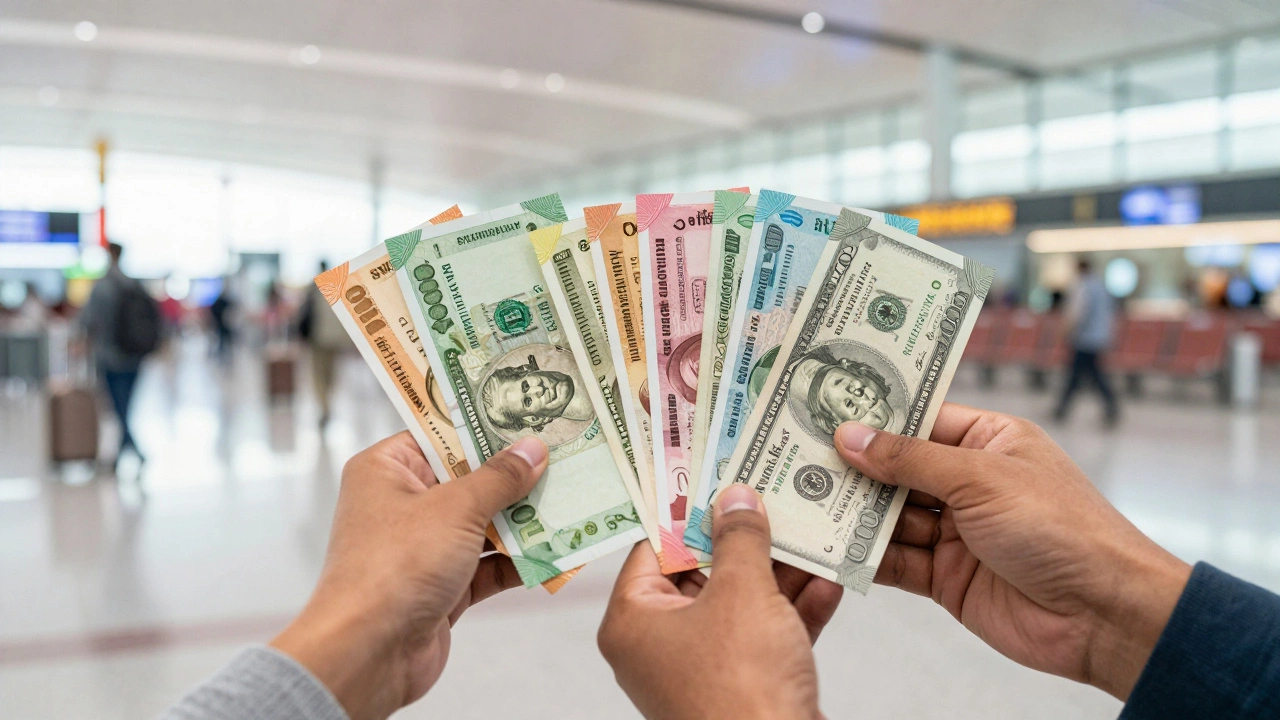
If you are just walking from a hotel in Delhi to a cafe in Jaipur, you have zero legal worries. But the moment you cross the border, Customs regulations kick in. The Central Board of Indirect Taxes and Customs (CBIC) manages these rules. If you arrive with a briefcase full of US Dollars, you aren't in trouble yet, but if you don't declare it, you're asking for a headache.
For most budget travelers, the rule of thumb is simple. If you are carrying more than the equivalent of $5,000 in foreign currency, fill out the Currency Declaration Form (CDF). If you're just carrying a few hundred dollars for your initial taxi and hotel, you can breeze through the green channel. The real risk isn't the amount itself, but the failure to report it, which can lead to the seizure of the funds or heavy fines.
The 'Rupee Trap': Exporting Local Currency
Here is where travelers often get tripped up. While bringing foreign money into India is easy, taking Indian Rupee (INR) out is strictly regulated. Under the Foreign Exchange Management Act (FEMA), the rupee is not a freely convertible currency. This means you generally cannot carry large amounts of INR when leaving the country.
If you find yourself at the airport with a thick wad of rupees left over, don't try to sneak them through security. It's much smarter to spend them on airport snacks or exchange them back to your home currency at a licensed forex counter before you hit the departure gate. Trying to export INR without permission can lead to questioning by customs officers.
| Scenario | Legal Status | Key Requirement |
|---|---|---|
| Carrying cash within India | Legal | None |
| Bringing in <$5,000 USD | Legal | None |
| Bringing in >$5,000 USD | Legal | Mandatory Declaration (CDF) |
| Taking INR out of India | Restricted | Consult FEMA limits/Exchange’s |
Cash vs. Digital: The UPI Revolution
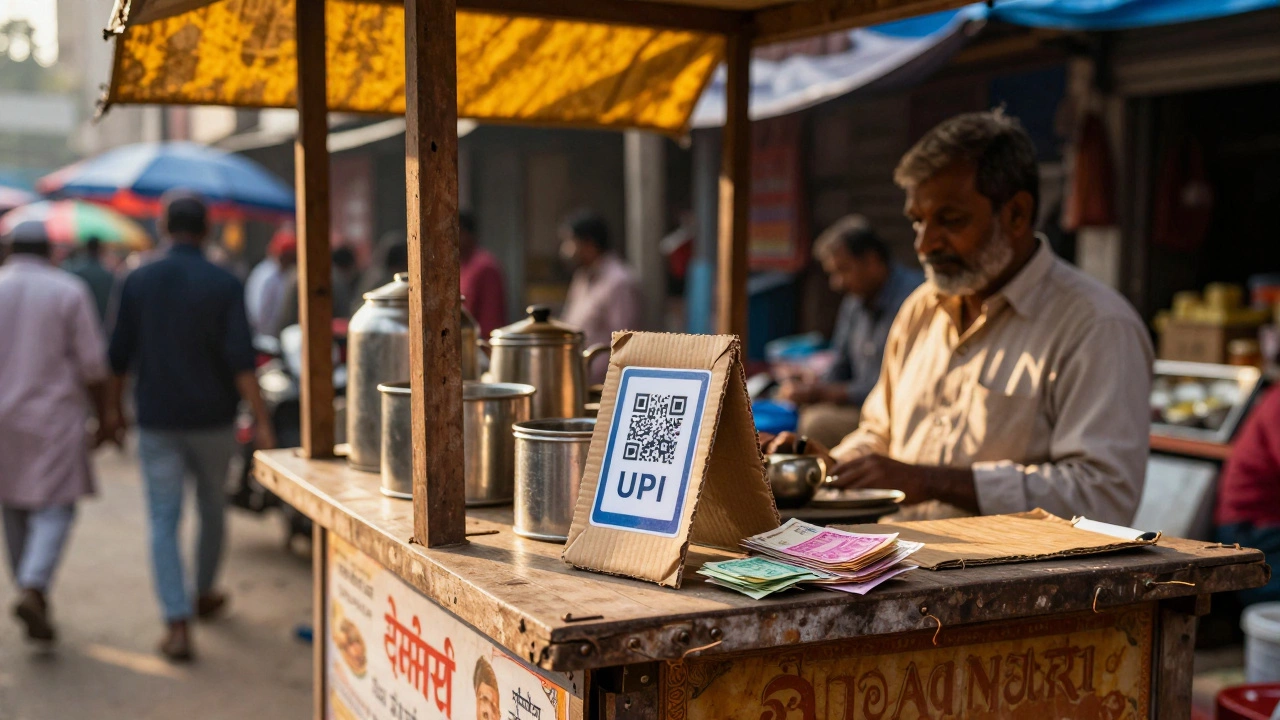
You might wonder why people are even asking about cash in 2026. It's because India has undergone a massive digital shift. If you walk into a tiny tea stall in a rural village, the vendor likely has a QR code printed on a piece of cardboard. This is UPI (Unified Payments Interface), a real-time payment system that has made the country almost cashless in many areas.
For a traveler, relying solely on cash is actually a disadvantage now. Many hotels and larger cafes prefer UPI or cards. However, budget travel India still requires a stash of physical notes. Why? Because power outages happen, internet signals drop in the mountains, and some old-school vendors simply don't trust digital screens. A healthy mix is the way to go: use digital for the big stuff and cash for the 'street' stuff.
Managing Your Money Without Getting Scammed
Since carrying cash is legal, the bigger concern isn't the law-it's the risk of loss or theft. India is generally safe, but pickpocketing in crowded markets like Chandni Chowk in Delhi is a reality. Carrying all your money in one place is a rookie mistake.
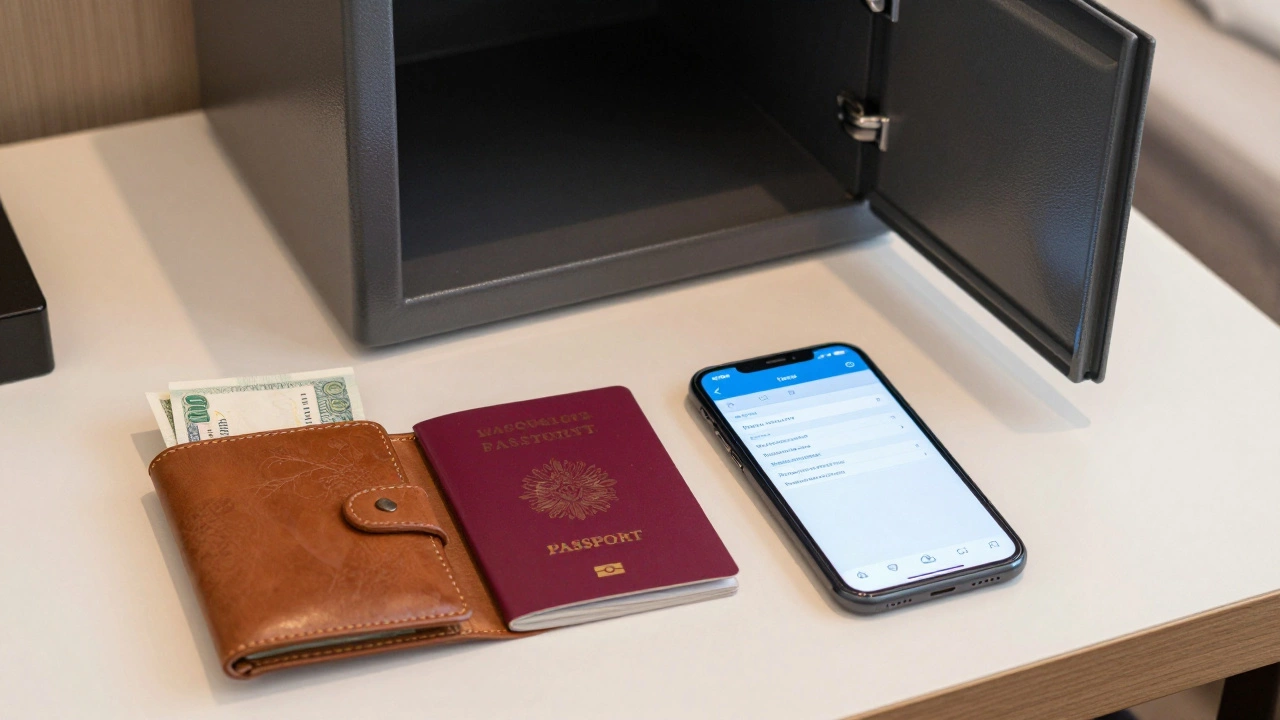
Split your funds. Keep a small amount in your wallet for the day, hide a 'reserve' stash in a hidden pocket of your bag, and leave the rest in a secure hotel safe. If you're using an ATM, stick to those attached to banks (like State Bank of India (SBI) or HDFC Bank) rather than standalone machines in dark alleys. This reduces the risk of card skimming.
Dealing with 'Fake' Notes and Denominations
Another practical legal-ish issue is the quality of the notes. While not 'illegal' to hold, receiving counterfeit currency is a headache. Always check the security thread and the watermark on higher-denomination notes. If a vendor refuses to take a 500-rupee note because it's slightly torn or soiled, don't argue-it's a common cultural quirk. In India, a crisp note is often a requirement for acceptance at small shops.
Also, be aware of the denominations. If you try to pay for a 20-rupee chai with a 500-rupee note, the vendor might pretend not to have change. It's not a crime, but it's a hassle. Always break your large bills at larger stores before heading into the narrow lanes of a bazaar.
What to Do if You're Questioned by Authorities
In very rare cases, if you are carrying an unusually large amount of cash (think millions of rupees) and are stopped during a routine check, police or tax officials might ask where the money came from. They are looking for evidence of money laundering or illegal trade. If you have a legitimate source-like a bank withdrawal slip or a documented currency exchange receipt-you'll be fine.
The key is documentation. Keep your exchange receipts in a digital folder on your phone. If you can prove the money entered the country legally and was converted at an authorized dealer, no official will hold you up for long. Just stay calm, be polite, and show your paperwork.
Can I be arrested for having too much cash in my pocket?
No, there is no limit on the amount of legal tender you can carry within India. You only face issues if the money was obtained illegally or if you fail to declare large amounts of foreign currency upon entry.
Is it safe to carry cash in India?
Generally, yes. However, to avoid theft, avoid keeping all your money in one place. Use a money belt or divide your cash between your wallet, luggage, and a secure hotel safe.
What happens if I try to take Rupees out of India?
The Indian Rupee is not fully convertible. Taking large amounts of INR out of the country is restricted by FEMA laws. It's best to exchange your remaining rupees back to your home currency before leaving.
Do I need to declare my money at the airport?
If you are bringing in foreign currency exceeding $5,000 USD (or equivalent), you must fill out a Currency Declaration Form (CDF). Amounts below this do not usually require declaration.
Should I use UPI or cash for budget travel?
Use both. UPI is incredibly convenient for cities and mid-sized towns, but cash is still essential for remote areas, small street vendors, and emergencies when the internet is down.
Next Steps for Your Trip
If you're planning your budget adventure, start by opening a multi-currency account (like Wise or Revolut) to get the best exchange rates before you fly. Once you land, head to an official airport exchange counter for a small amount of cash, then use a bank ATM for the rest. If you're staying for more than two weeks, look into getting a local SIM card immediately-it's the only way you'll be able to use UPI apps and stay connected. Lastly, always keep a digital scan of your passport and your currency exchange receipts in your email for quick reference.