Does Hiking Burn Belly Fat? The Truth About Trekking for Weight Loss
 Apr, 7 2026
Hiking Calorie Burn Estimator
Personalized Burn Calculator
Est. CaloriesEstimated calories burned for this session:
Note: These calculations are based on averages for a 160lb person and scaled to your weight. Actual burn varies based on age, gender, metabolism, and specific terrain.
Quick Takeaways
- You can't target fat loss in one specific area (like the belly), but hiking creates the caloric deficit needed for overall fat loss.
- Trekking is a form of Low-Intensity Steady State (LISS) cardio that is highly effective for burning fat.
- Adding elevation and a weighted pack significantly spikes your heart rate and calorie expenditure.
- The mental health benefits of nature reduce cortisol, a hormone directly linked to belly fat storage.
The Myth of Spot Reduction
First, let's clear the air on a big misconception. Spot Reduction is the belief that you can burn fat from a specific area of the body by exercising the muscles in that area. If you do a thousand crunches, you'll have strong abs, but they'll stay hidden under a layer of fat if your overall body fat percentage is high. Your body decides where it pulls energy from based on genetics and hormones, not based on which muscle you're moving. When you go hiking, your body burns fuel from everywhere-including your midsection.
How Hiking Actually Attacks Belly Fat
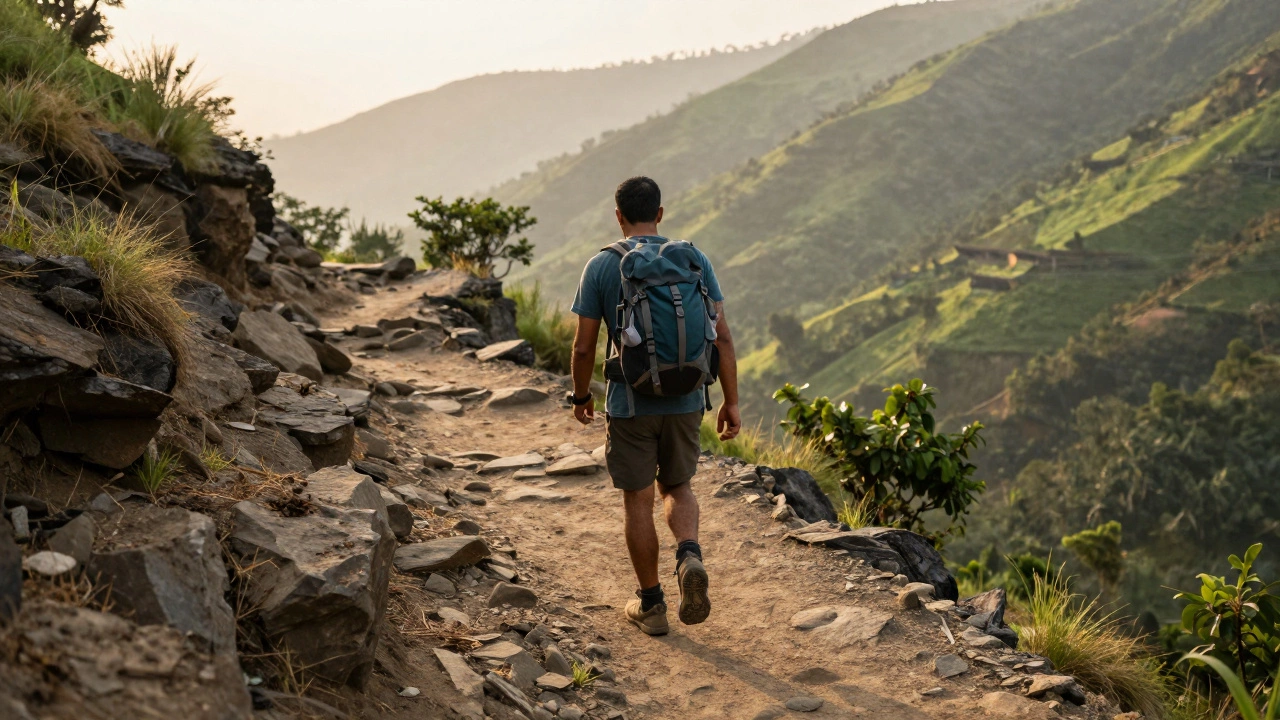
To lose the gut, you need a caloric deficit. Hiking is a cardiovascular activity involving walking on trails in natural environments, often with significant changes in elevation. Unlike a flat walk in the park, trekking involves uneven terrain, inclines, and declines. This forces your body to engage more muscle groups, particularly your core, for balance.
When you climb a steep slope, your heart rate enters the fat-burning zone. This is typically 60% to 70% of your maximum heart rate. In this zone, your body becomes more efficient at using stored fat as a primary energy source rather than relying solely on glycogen. Because hiking trips often last several hours, you're sustaining this effort much longer than you would in a 30-minute gym session, leading to a higher total caloric burn.
The Cortisol Connection: Why Nature Matters
Belly fat isn't just about calories; it's about chemistry. Specifically, Cortisol is a steroid hormone released by the adrenal glands in response to stress. High levels of this hormone are notorious for telling your body to store fat specifically in the abdominal area. This is why stressed-out office workers often develop "stress bellies" even if they aren't overeating.
Trekking in wild spaces triggers a physiological response called "forest bathing" or Shinrin-yoku. Studies on nature immersion show that spending time in green spaces significantly lowers cortisol levels. By reducing stress, you're essentially turning off the signal that tells your body to hoard belly fat. You're attacking the problem from two sides: burning calories through physical effort and lowering stress hormones through environmental change.
| Activity | Intensity | Estimated Burn (per hour) | Impact on Belly Fat |
|---|---|---|---|
| Flat Walking | Low | 250 - 300 kcal | Moderate (General weight loss) |
| Hiking (Moderate Trail) | Medium | 400 - 550 kcal | High (Fat oxidation + Core work) |
| Trekking (Heavy Pack/Steep) | High | 600 - 800 kcal | Very High (Metabolic spike) |
| Treadmill (Flat) | Low | 300 - 350 kcal | Moderate (Steady state) |

Turning Your Trek Into a Fat-Burning Machine
If your goal is specifically to lean out, not all hikes are created equal. To maximize hiking burn belly fat potential, you need to manipulate a few variables. First, consider the incline. Walking up a mountain requires significantly more energy than walking across a plateau. The vertical gain engages your glutes and calves, but it also forces your core to stabilize your torso, which increases the metabolic cost of the movement.
Second, use a backpack. Carrying 10 to 20 pounds of gear turns a simple walk into a resistance workout. This increases the demand on your cardiovascular system and forces your muscles to work harder. Just be careful with your posture; if you slouch under the weight, you lose the core engagement that helps with abdominal toning.
Finally, try interval hiking. Instead of a steady pace, push yourself hard for ten minutes up a steep section, then recover for five minutes on a flat stretch. This approach, similar to HIIT (High-Intensity Interval Training), keeps your metabolism elevated long after you've returned to your car, a phenomenon known as excess post-exercise oxygen consumption (EPOC).
Best Trekking Destinations in India for Weight Loss
If you're looking for the best places to put this into practice, India offers some of the most challenging and rewarding terrain in the world. The sheer variety of elevations means you can tailor your workout to your fitness level.
- Hampta Pass (Himachal Pradesh): Great for those starting out. It offers a mix of lush valleys and high-altitude rocky terrain that keeps your heart rate fluctuating.
- Roopkund Trek (Uttarakhand): This is a serious calorie-burner. The steep ascent to the glacial lake pushes your body into the high-intensity zone, making it ideal for aggressive fat loss.
- Valley of Flowers (Uttarakhand): While slightly easier, the long distances covered over several days create a massive cumulative caloric deficit.
- Kudremukh (Karnataka): For those in South India, the rolling hills and steep grassy slopes provide a fantastic natural gym for lower-body and core strengthening.
Common Pitfalls: Why Some Hikers Don't Lose Weight
Have you ever noticed people who hike for five days and come back weighing more? It's not magic; it's the "hiker's appetite." The common mistake is overcompensating for the effort. After a 10-mile trek, it's easy to justify a massive, calorie-dense meal that completely erases the deficit you worked so hard to create.
Another issue is the "compensation effect." Some people find that after a grueling day on the trail, they spend the next two days barely moving. This crash in activity levels can stall weight loss. The key is to maintain a baseline of movement even on your recovery days.
Lastly, ignore the fancy gear if it makes you uncomfortable. If your boots are causing blisters, you'll walk slower and stop more often, reducing your overall calorie burn. Focus on comfort and consistency over expensive gadgets.
How many miles of hiking do I need to see belly fat loss?
There is no magic number because weight loss depends on your total daily caloric balance. However, for most people, incorporating 2 to 3 hikes per week (each 5-10 miles) combined with a balanced diet creates the necessary deficit to start seeing a reduction in waist circumference over 4 to 8 weeks.
Is hiking better than running for losing belly fat?
Running burns more calories per minute, but hiking can be sustained for much longer periods. Additionally, hiking's low-impact nature reduces the risk of injury and keeps cortisol levels lower than high-intensity running, which can actually be beneficial for those struggling with stress-related belly fat.
Should I hike on an empty stomach to burn more fat?
"Fasted cardio" can increase fat oxidation, but for long treks, it's often a bad idea. If you run out of energy (bonking), your intensity will drop, and you'll burn fewer total calories. Eat a light, protein-rich snack before you start and carry complex carbs (like nuts or dried fruit) to keep your energy stable.
Does walking with trekking poles help burn more calories?
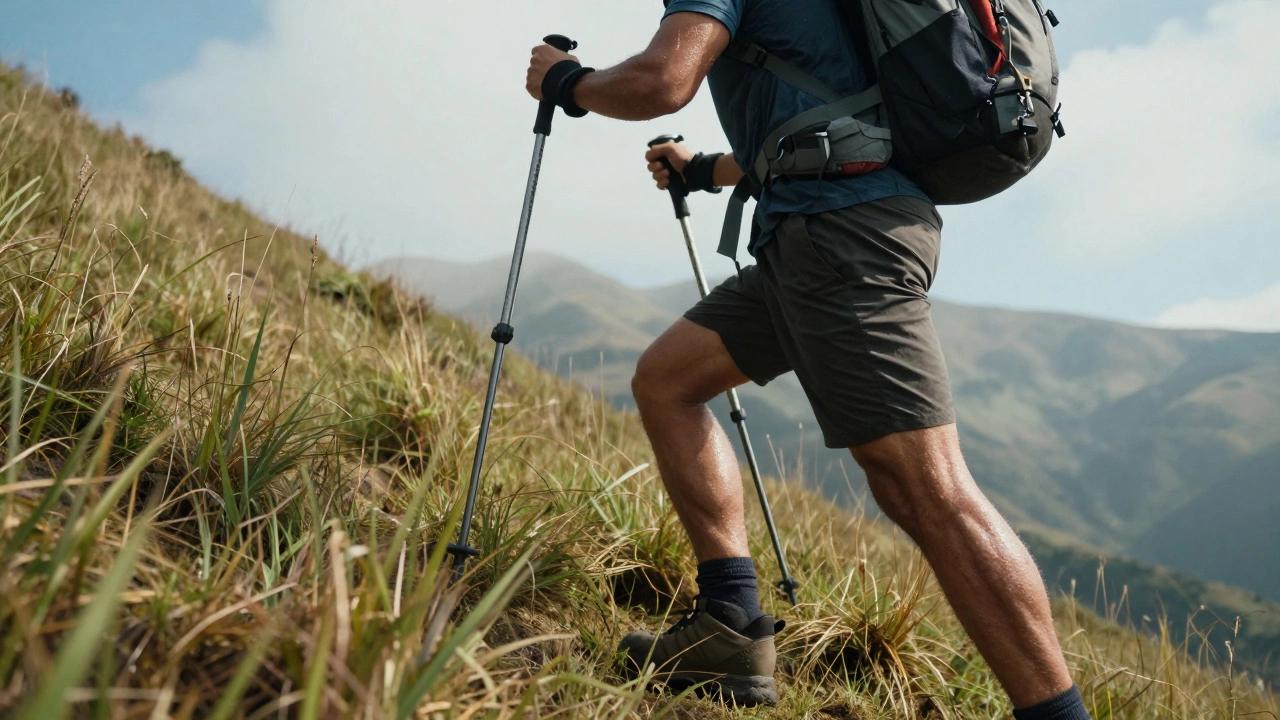
Yes, using poles engages your upper body, turning a leg-dominant activity into a full-body workout. This increases the heart rate slightly and distributes the load, allowing you to hike longer and further, which ultimately leads to more calories burned.
Will hiking give me a six-pack?
Hiking will help reveal your abs by burning the fat covering them, and the balance required on uneven terrain will strengthen your core. However, for a defined six-pack, you'll need to combine hiking with specific strength training and a strict protein-focused diet.
Next Steps for Your Fitness Journey
If you're new to this, don't start with a 15,000-foot peak. Begin with local trails and gradually increase your pack weight by 2 pounds every week. This prevents injury and allows your metabolic system to adapt. For those already trekking, try introducing "weighted vests" or focusing on the steepest sections of the trail to break through weight loss plateaus.
Remember that the scale is a liar. As you hike, you're building lean muscle in your legs and core. Muscle is denser than fat, so you might find that your weight stays the same while your waist size drops. Use a measuring tape or the fit of your favorite jeans to track progress instead of just the scale.