Is 500 Rupees a Lot in India? Real Cost Guide for 2026
 Mar, 27 2026
₹500 Daily Budget Simulator
Where are you traveling?
Prices vary drastically between high-cost metros and budget-friendly tier-2 cities.
Total Spent
₹0Remaining
Here is the straight answer: fifty hundred Indian rupees buys you a decent lunch or a full day of local transit in a metro city, but barely covers a hotel room anywhere in the country. Whether 500 rupees feels like a fortune or pocket lint depends entirely on where you stand on the ground when you pull out that note.
If you ask someone in a high-end mall in South Mumbai, they might laugh and tell you it gets nothing but a bottle of water and maybe a chai. But walk into a small town in Rajasthan or Karnataka, and that same amount can fund a surprisingly comfortable evening including dinner and snacks for two people.
The Purchasing Power of the Indian Rupee
Understanding the value of currency requires looking at what the money actually purchases in real-world scenarios. The Indian Rupee is the official currency of the Republic of India issued by the Reserve Bank of India. As of March 2026, the exchange rate continues to hover around favorable levels for incoming travelers coming from USD or AUD, meaning your conversion holds weight.
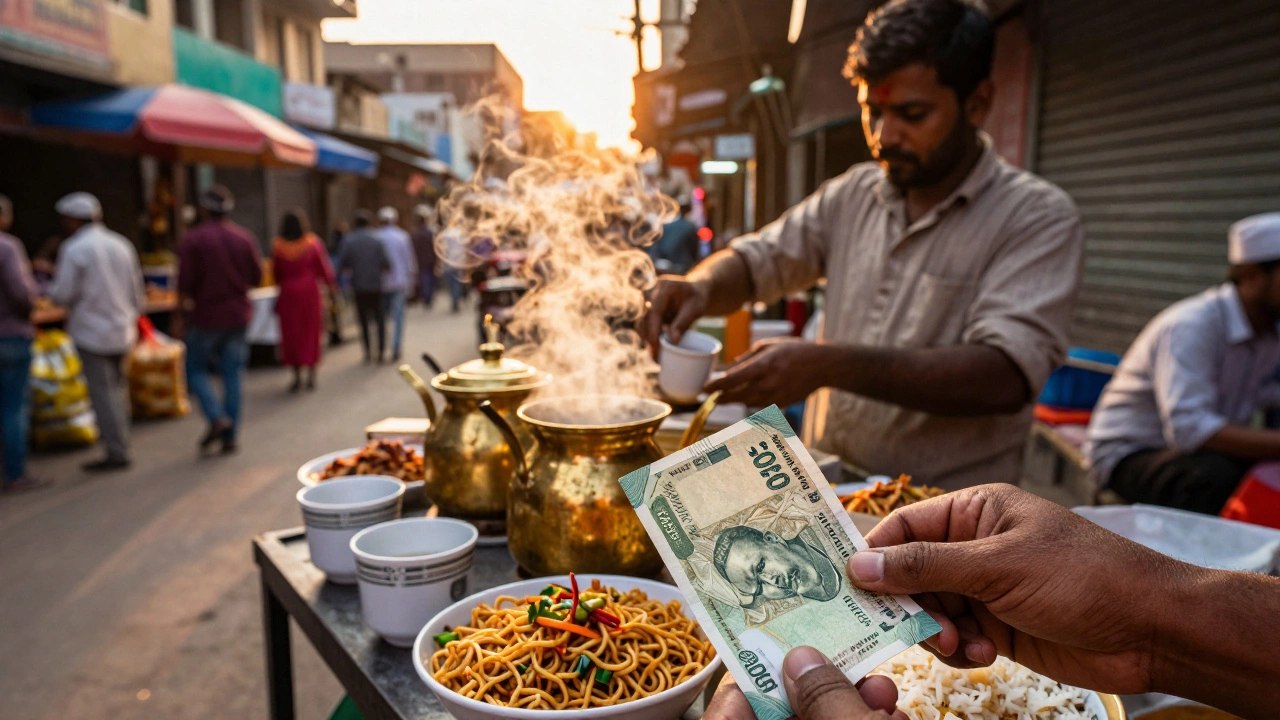
Think of 500 rupees as a baseline unit of value for small transactions. It is significant enough to buy essentials but insufficient for major expenses like accommodation or long-distance travel. Here is what that bill can actually get you in your hand:
- A large bowl of noodles or rice at a casual roadside eatery
- A refillable 1-liter water bottle and three sodas
- An auto-rickshaw ride covering 5 to 8 kilometers depending on the city zone
- A standard entry ticket to many government-run historical monuments
- Five cups of tea (chai) at a traditional street stall
This purchasing power changes drastically once you move from informal markets to formal retail environments. In supermarkets, 500 rupees might buy two bags of chips and a packet of biscuits. On the street, it buys fuel, labor, and service combined.
Daily Survival on 500 Rupees
Many backpackers wonder if they can survive 24 hours on this specific budget. The short answer is yes, but you have to plan every meal and mile meticulously. A strict 500 rupee day forces you to rely on the public infrastructure rather than private convenience.
Your morning starts with breakfast. You cannot afford a cafe latte costing 150 rupees. Instead, you stop at a Chai Wala is a traditional tea vendor operating near bus stops and markets across urban India. With 20 rupees per cup, you get four times the warmth without burning the budget. Next, transport is where costs spike unexpectedly if you choose the wrong option.
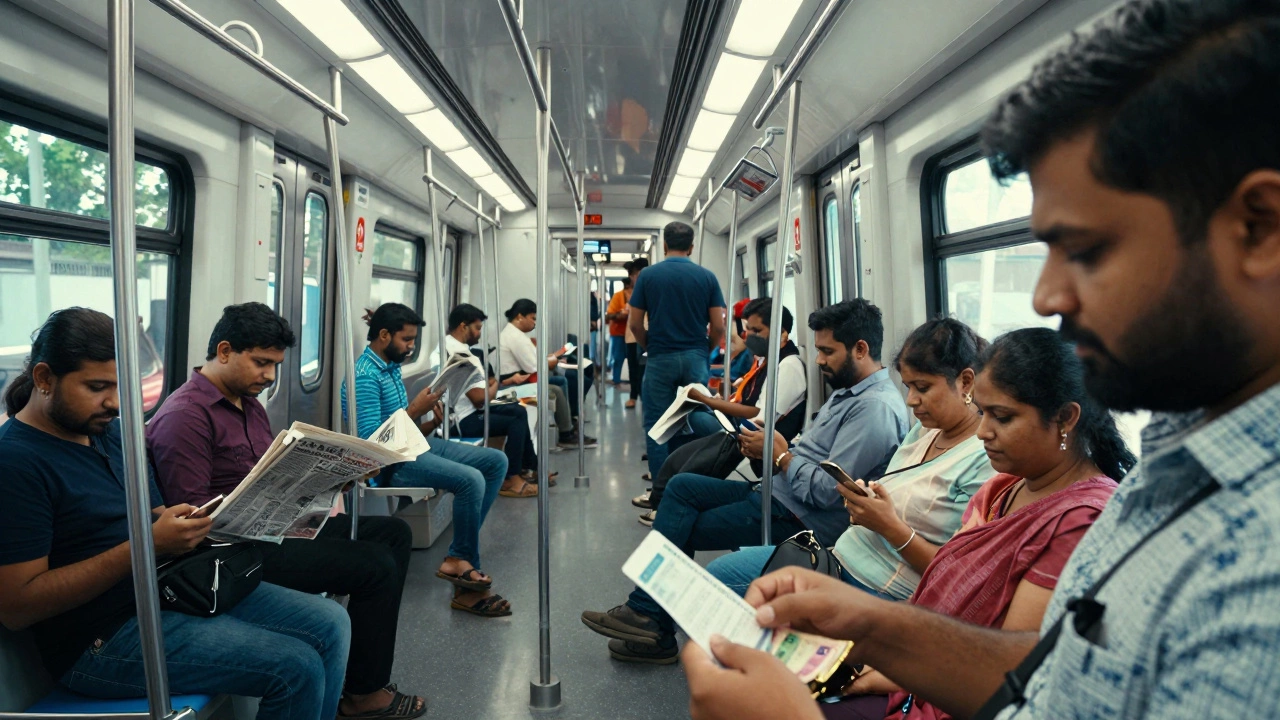
Taking the Delhi Metro is a rapid transit system serving New Delhi and its satellite cities. A single journey costs roughly 30 to 50 rupees depending on distance. Even if you make five trips throughout the day, you still spend less than 300 rupees total. If you switch to taxis, even the cheapest Uber Go variant, a short 5km trip could drain 150 rupees instantly, leaving you with no funds for dinner.
| Item / Service | Typical Cost | Budget Left Over |
|---|---|---|
| Street Meal (Thali) | ₹100 - ₹150 | ₹350 |
| Metro Ride (Round Trip) | ₹60 - ₹100 | ₹400 |
| Guest House (Per Night) | ₹1500+ | Not Possible |
| Local Bus Pass | ₹20 - ₹40 | ₹480 |
Notice how accommodation fails immediately. You cannot stay in a hostel bed for 500 rupees in popular zones anymore; prices have risen due to inflation and demand. This means the 500 rupee budget works for spending during the day, not for sleeping at night. You must separate your "fun money" from your "fixed costs" before arriving.
Geography Dictates Value
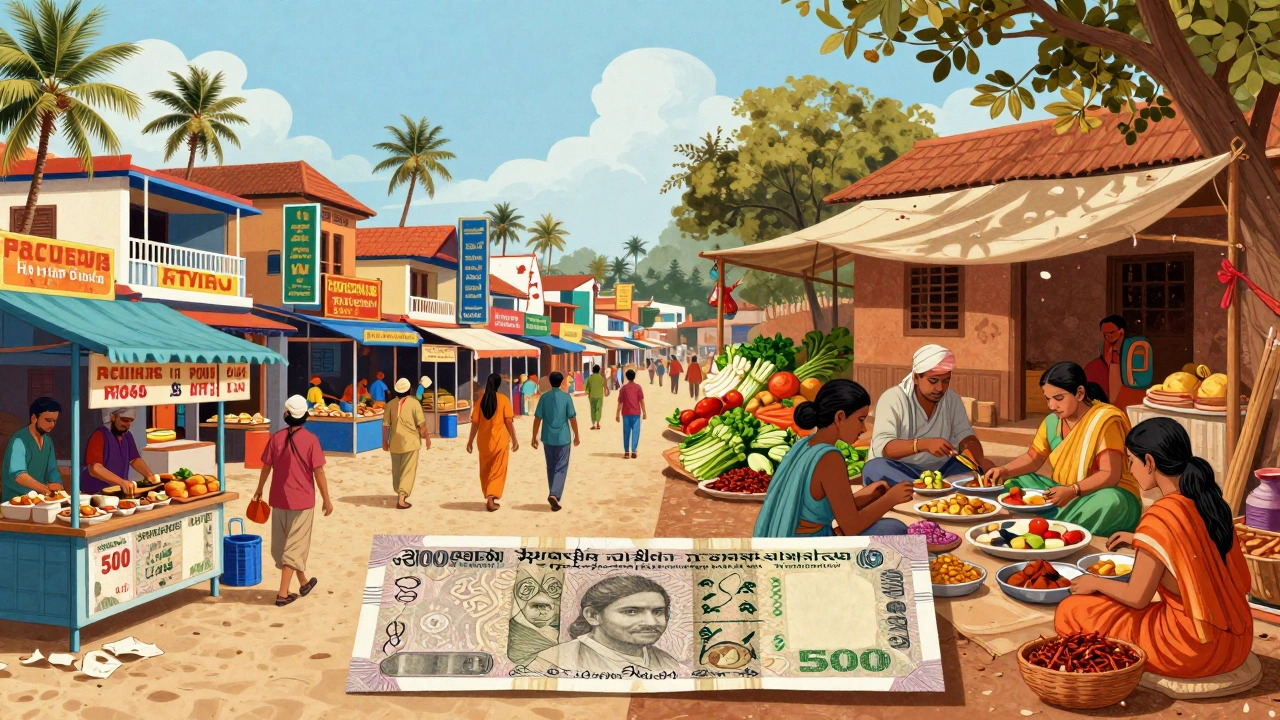
Location is the biggest variable in your equation. Buying a vegetable in Varanasi costs half what the same item costs in Bangalore. This disparity isn't just perception; it is built into the logistics of supply chains.
In tourist-heavy destinations like Goa or Manali, 500 rupees buys significantly less because vendors cater to foreigners who have more money. They adjust menu prices accordingly. A simple sandwich might jump from 100 rupees in a non-touristy area to 250 rupees in a beach shanty.
Conversely, in industrial towns or smaller villages in states like Odisha or Assam, that 500 rupee note is thick with buying power. You could hire a local guide for half a day. You could feed a family of four for a hearty vegetarian feast. Always check the local average wage to gauge value; if a laborer earns 2000 rupees a day, then 500 rupees represents 25% of their income, making it highly valuable in social terms.
Navigating Cash and Digital Payments
Cash is still king in the unorganized sector. While UPI payments are ubiquitous in cities, rural shops often do not have smartphones or internet connectivity. Carrying a stack of small denominations matters immensely. One crisp 500 rupee note is worth exactly what it prints, but getting change for it can sometimes be difficult in remote stalls.
Using ATMs introduces another layer of cost. If you withdraw money while traveling, international bank fees plus the machine operator charges in India can eat 20 to 40 rupees per withdrawal. This makes keeping physical cash on hand cheaper in the long run for small amounts. Try to avoid withdrawing just 500 rupees repeatedly; instead, grab 5000 once a week to minimize transaction losses.
The GST Tax is Goods and Services Tax implemented across India on April 1, 2017. also plays a role. When you buy something branded or dine in a restaurant with AC, tax adds up quickly. Street vendors often operate outside of this framework, giving you better value on food. That 500 rupee meal at a dhaba (roadside diner) includes the food, whereas a plated dish at a cafe adds 18% tax to the base price.
Maximizing Your Spending Power
To make 500 rupees feel like 1000, you need to shift your consumption habits. Start by drinking tap water (if filtered properly) or buying large refills instead of bottled drinks which cost 25 rupees each. Carry your own reusable bottle.
Eat like a local. Look for places where families sit. These establishments prioritize volume and turnover over profit margins, ensuring fresher food at lower prices. Avoid places with photos on the wall or menus written in English. Walk past them and find the joint next door where the signboard is faded. This alone saves you 40% on every meal.
Another hidden benefit involves bargaining. In markets selling clothes or crafts, starting negotiations below 500 rupees allows you to close the deal there. It is polite culture. You do not pay the asking price of a tourist shop, you negotiate down. If you accept the first price, locals often raise future prices for other visitors.
Common Pitfalls to Avoid
Tourists often misjudge the distance covered by local transport. An auto rickshaw driver might charge 200 rupees for a 3 km trip thinking you do not know the price. Knowing the standard meter rate or agreeing on a fare before entering prevents this loss. Always insist on 'meter ka' (with meter) to keep it fair.
Another trap is tipping expectations. Tipping is not mandatory in India for small orders, but rounding off the bill is appreciated. If you buy a 480 rupee meal, giving them 500 rupees and telling them to keep the change is considered generous. Doing this too frequently with small bills depletes your funds fast.
Finally, watch out for counterfeit notes. Older 500 rupee notes were discontinued years ago, but newer ones sometimes circulate with wear and tear. Police or shopkeepers might refuse damaged currency. Keep your 500 rupee notes clean and crisp to avoid issues at checkout counters or bus depots.
Can I live on 500 rupees a day in India?
Yes, strictly speaking, you can cover food and transport. However, you cannot include accommodation. Hotels typically start at 1000 to 1500 rupees per night even in budget categories.
Is 500 rupees enough for shopping?
For a single souvenir, yes. For multiple items, you need to bargain well. Markets in Jaipur or Delhi offer great deals on textiles within this range if you negotiate down.
Does the exchange rate change daily?
Minor fluctuations happen, but INR is stable. Major shifts rarely impact daily spending power for tourists visiting for weeks. Monitor rates mainly for converting larger sums.
Are prices higher during festivals?
Absolutely. During Diwali, Holi, or Navratri, demand spikes. Accommodation triples, and even taxi surge pricing applies. Avoid peak holiday dates if sticking to a 500 rupee daily budget.
Which cities are best for this budget?
Tier-2 cities like Varanasi, Pondicherry, or Amritsar offer better value. Avoid metros like Mumbai or Gurgaon where 500 rupees runs out within hours of entertainment activities.