Is Kerala Safe to Visit Now? A 2026 Safety Guide for Travelers
 May, 1 2026
Kerala Safety Risk Calculator
Configure your trip details below to receive a personalized safety assessment and tailored advice.
Specific Alerts & Tips
You’ve probably seen the headlines. Between political protests in early 2025 and the occasional heavy rain alert, you might be wondering if your dream trip to God’s Own Country is still a good idea. The short answer? Yes, Kerala is safe to visit now. In fact, as of May 2026, it is one of the most stable and welcoming destinations in all of India.
I know what you’re thinking. One bad story online can stick with you for years. But here’s the reality: the state has bounced back incredibly well. The infrastructure is better than ever, local authorities are more vigilant, and the people remain famously hospitable. If you’re planning a trip this year, you need to look past the noise and understand the actual on-ground situation. Let’s break down exactly what you need to know to travel with confidence.
The Real Situation on the Ground
To understand safety, you first have to separate rumor from routine. Kerala is known for its high literacy rate and strong social indicators, which translates directly into a safer environment for tourists compared to many other parts of the country. Violent crime against tourists is statistically rare. Most incidents that make international news are isolated events involving petty theft or misunderstandings, not systemic danger.
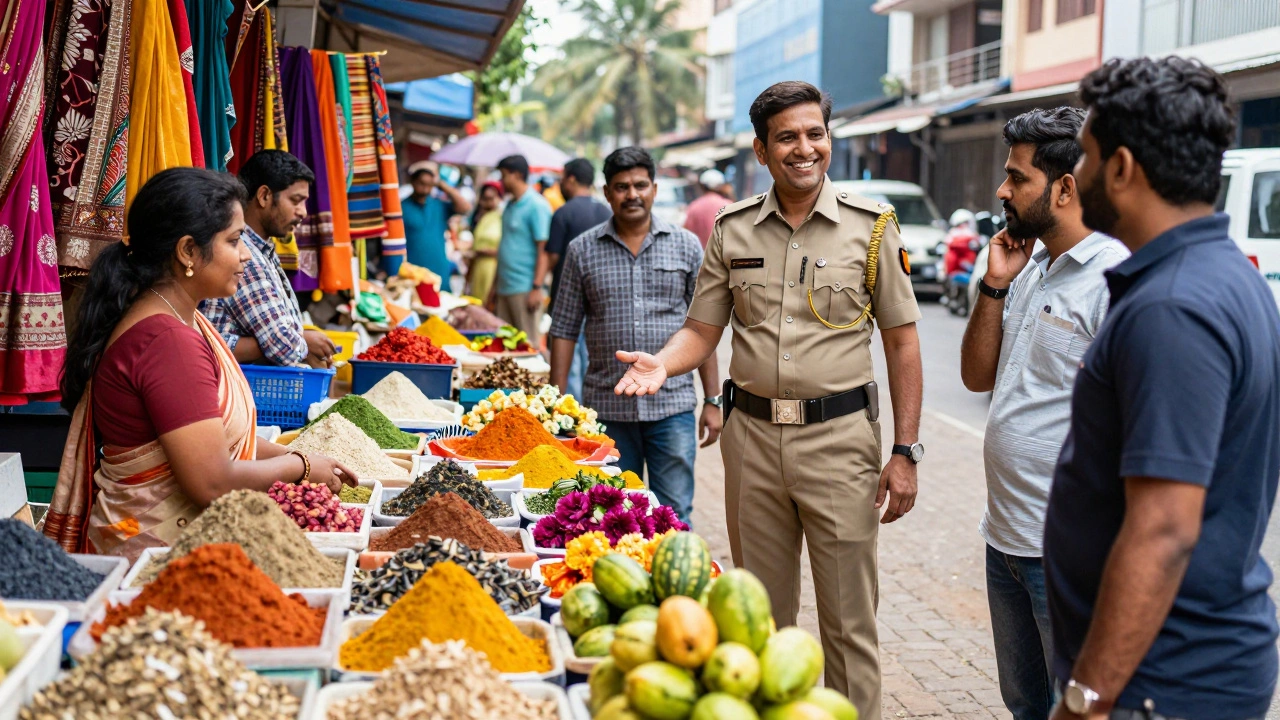
In 2025, there were some large-scale rallies related to national education policies. These were largely peaceful but did cause traffic disruptions in cities like Thiruvananthapuram and Kochi. By early 2026, these had settled down completely. Today, the streets are calm. Police presence in tourist hubs like Munnar, Alleppey, and Fort Kochi is visible but friendly. They are used to dealing with foreigners and locals alike, often helping with directions rather than causing friction.
If you are worried about scams, keep your eyes open as you would in any major tourist destination worldwide. Taxis in Kochi airport can try to overcharge if you don’t insist on the meter or book through an app like Uber or Ola. But this isn’t unique to Kerala; it’s standard travel caution. Once you move away from the airports and major bus stands, you’ll find that most interactions are genuine and helpful.
Health and Hygiene: What You Actually Need to Worry About
Safety isn’t just about crime; it’s about staying healthy. This is where travelers often feel most vulnerable. The biggest risk in Kerala isn’t muggers-it’s your stomach. Local food is incredible, but it’s also spicy and rich. "Delhi Belly" is a real thing, though less common in Kerala than in North India due to stricter hygiene standards in southern states.
- Water: Never drink tap water. Stick to bottled water from reputable brands like Bisleri or Kinley. Check that the seal is intact before opening. Ice cubes in cafes are usually made from filtered water, but if you’re sensitive, ask for no ice.
- Food: Eat where you see locals eating. Street food is generally safe if it’s cooked fresh in front of you. Avoid pre-cut fruits sold by roadside vendors unless you can peel them yourself.
- Vaccinations: Ensure you are up to date on Hepatitis A and Typhoid. For most travelers, malaria prophylaxis is not required for typical tourist routes, but consult your doctor if you plan to trek deep into the Western Ghats during peak monsoon season.
Medical facilities in Kerala are among the best in India. Cities like Thrissur and Kozhikode have multi-specialty hospitals that meet international standards. Pharmacies are widespread, and English-speaking pharmacists can easily help with basic ailments. Carry a small kit with oral rehydration salts (ORS) and anti-diarrheal medication just in case.
Natural Hazards: Monsoons and Wildlife
Kerala is beautiful, but nature here is powerful. The primary natural hazard is the monsoon. The Southwest monsoon hits Kerala heavily between June and September. While many tourists love the lush greenery and lower prices during this time, it does come with risks.
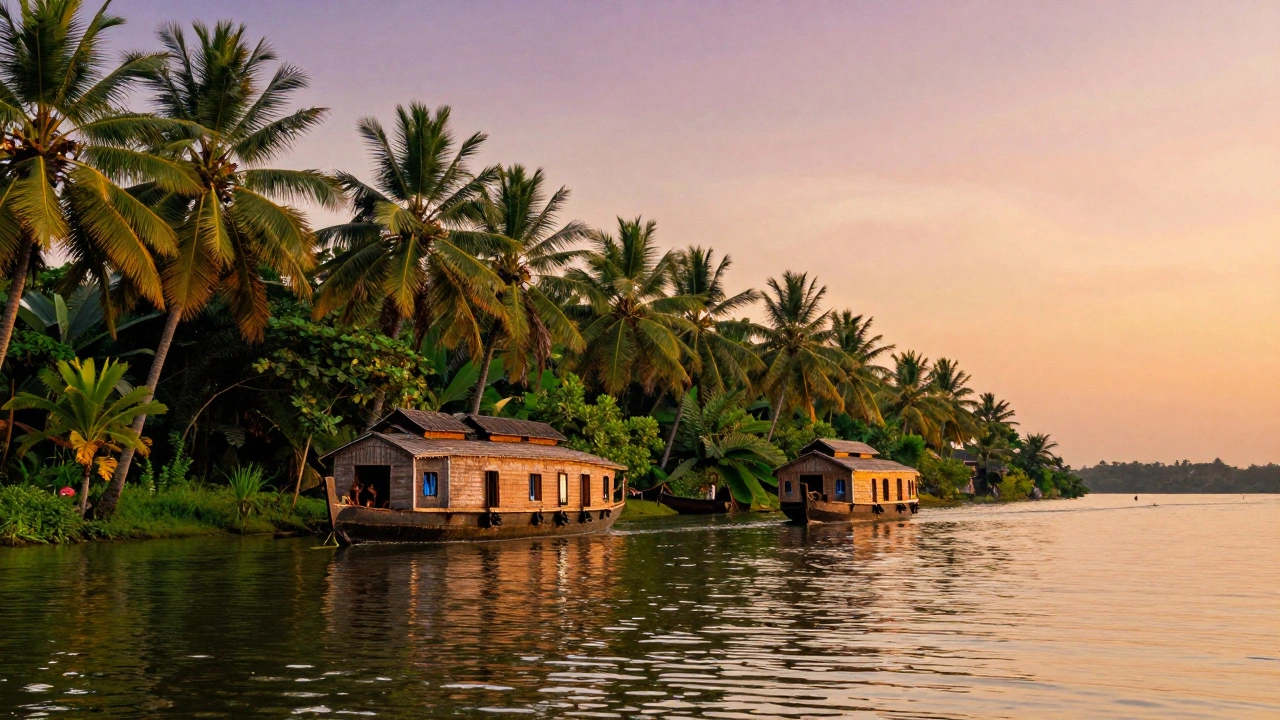
Flooding can occur suddenly in low-lying areas. In 2024, parts of Idukki and Alappuzha saw significant waterlogging. By 2026, the state has improved its drainage systems and early warning mechanisms significantly. However, you should still monitor weather forecasts closely. If you hear warnings about heavy rainfall in specific districts, avoid river rafting or houseboat cruises until conditions stabilize. It’s not worth risking it for a photo op.
Wildlife is another factor. Kerala has several national parks, including Periyar and Eravikulam. Leopards and elephants roam freely in these protected areas. Incidents of human-animal conflict do happen, but they are almost exclusively outside designated tourist zones. As long as you stay on marked trails, follow guide instructions, and do not venture into forests after dusk, you will be perfectly safe. The park rangers are highly trained and take visitor safety seriously.
Safety for Solo Travelers and Women
This is a question I get asked constantly. Is Kerala safe for women traveling alone? Generally, yes. Kerala has a relatively progressive attitude towards gender roles compared to other parts of India. Women travel alone frequently, both domestic and international.
That said, "safe" doesn’t mean "carefree." You will attract attention. Staring is common but rarely aggressive. Harassment is uncommon but not non-existent. To minimize unwanted attention:
- Dress modestly. While shorts and tank tops are fine in beach clubs or AC malls, wearing loose cotton clothes, kurtas, or long skirts shows respect for local culture and reduces staring.
- Avoid walking alone in poorly lit areas at night. Use trusted ride-sharing apps instead of hailing random autos late at night.
- Trust your gut. If a situation feels off, leave. There are plenty of guesthouses and cafes where you can wait for help.
For solo male travelers, the experience is even smoother. You’ll likely be treated with curiosity and warmth. Just remember that physical contact with strangers, especially opposite genders, is frowned upon in public spaces. Keep interactions polite and professional.
Transportation Safety Tips
Getting around Kerala is part of the adventure, but road safety is a legitimate concern. Indian driving standards are... enthusiastic. Buses weave, auto-rickshaws ignore lanes, and motorcycles zip through gaps that shouldn’t exist.
If you rent a scooter, wear a helmet. Always. Police checks are frequent, and fines are steep. More importantly, accidents happen. If you’re not an experienced rider in chaotic traffic, stick to hired drivers or trains. The Kerala State Transport Corporation buses are clean, affordable, and surprisingly safe. They have seatbelts (though few use them) and professional drivers who know every curve of the mountain roads.
Train travel is the safest and most scenic option. The Nilgiri Mountain Railway and the coastal line between Alappuzha and Thiruvananthapuram are engineering marvels. Trains run on schedule, stations are clean, and staff are helpful. Book tickets in advance via the IRCTC website to avoid last-minute hassle.
| Category | Risk Level | Action Required |
|---|---|---|
| Petty Theft | Low | Keep valuables hidden; use hotel safes. |
| Food Poisoning | Medium | Drink bottled water; eat freshly cooked food. |
| Monsoon Flooding | Seasonal (Jun-Sep) | Check weather alerts; avoid rivers during rains. |
| Road Accidents | Medium | Wear helmets; hire experienced drivers. |
| Political Protests | Very Low | Avoid large gatherings; follow local news. |
Scams to Watch Out For
No destination is immune to scams, and Kerala is no exception. Here are the most common tricks played on tourists in 2026:
- The "Closed Temple" Scam: Someone approaches you saying a famous temple is closed for repairs and offers to take you to an alternative. It’s usually a private shrine where you’ll be pressured to buy expensive rituals. Ignore them. Go to the main entrance and check official notices.
- Overpriced Ayurveda Treatments: Some spas advertise cheap massages but add hidden fees for oils and consultations. Always agree on the total price upfront. Look for government-certified Ayurveda centers.
- Currency Exchange: Don’t exchange money on the street. Use banks or authorized ATMs. The rates offered by touts near tourist spots are always worse than official ones.
If you feel pressured or confused, walk away. There are always other options. Most locals are honest and want you to have a good experience because their livelihood depends on tourism.
Final Verdict: Should You Go?
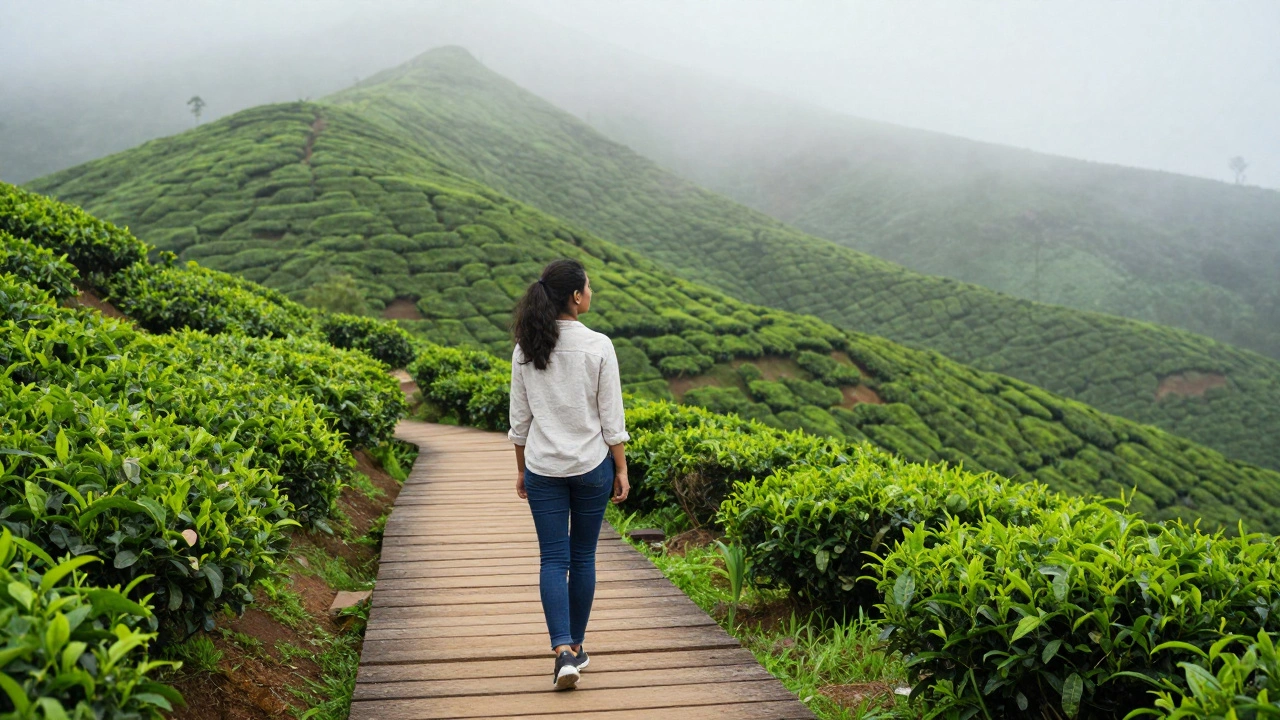
So, is Kerala safe to visit now? Absolutely. With basic precautions-drinking safe water, dressing appropriately, and using common sense on roads-you’ll have an unforgettable journey. The beauty of the backwaters, the misty hills of Munnar, and the vibrant culture of Kochi are waiting for you. Don’t let outdated fears hold you back. Plan wisely, travel respectfully, and enjoy every moment.
Is it safe to drink tap water in Kerala?
No, never drink tap water in Kerala. Even if it looks clear, it may contain bacteria unfamiliar to your system. Always drink sealed bottled water or use a reliable water purification filter if staying long-term.
Are there any areas in Kerala I should avoid?
There are no specific "no-go" zones for tourists in Kerala. However, avoid remote forest areas after dark and stay away from large political rallies if you see crowds gathering unexpectedly. Major tourist circuits like Kochi, Munnar, and Alleppey are very safe.
What is the best time to visit Kerala for safety and comfort?
The best time is between October and March when the weather is cool and dry. This period minimizes risks from monsoon-related flooding and makes outdoor activities safer and more enjoyable.
Can I travel to Kerala alone as a woman?
Yes, Kerala is considered one of the safest states in India for solo female travelers. Dress modestly, use trusted transport apps at night, and stay aware of your surroundings, but you will generally find locals to be respectful and helpful.
Do I need special insurance for Kerala?
While not mandatory, comprehensive travel insurance that covers medical evacuation and trip cancellation is highly recommended. Given the potential for sudden weather changes or health issues, having coverage gives you peace of mind.