Which is the Biggest Temple Festival in India? A Guide to Mahashivaratri and Beyond
 May, 15 2026
Find Your Perfect Temple Festival
The Adventurer
I thrive on chaos, raw energy, and witnessing history in the making.
The Seeker
I want deep spiritual connection, meditation, and ancient traditions.
The Visualist
I love color, music, grand visuals, and vibrant street parties.
The Royalist
I prefer structured rituals, opulence, gold, and organized experiences.
The Socializer
I enjoy community celebrations, home hospitality, and local immersion.
Recommended Festival
- Location:
- Frequency:
- Key Feature:
💡 Pro Tip for You:
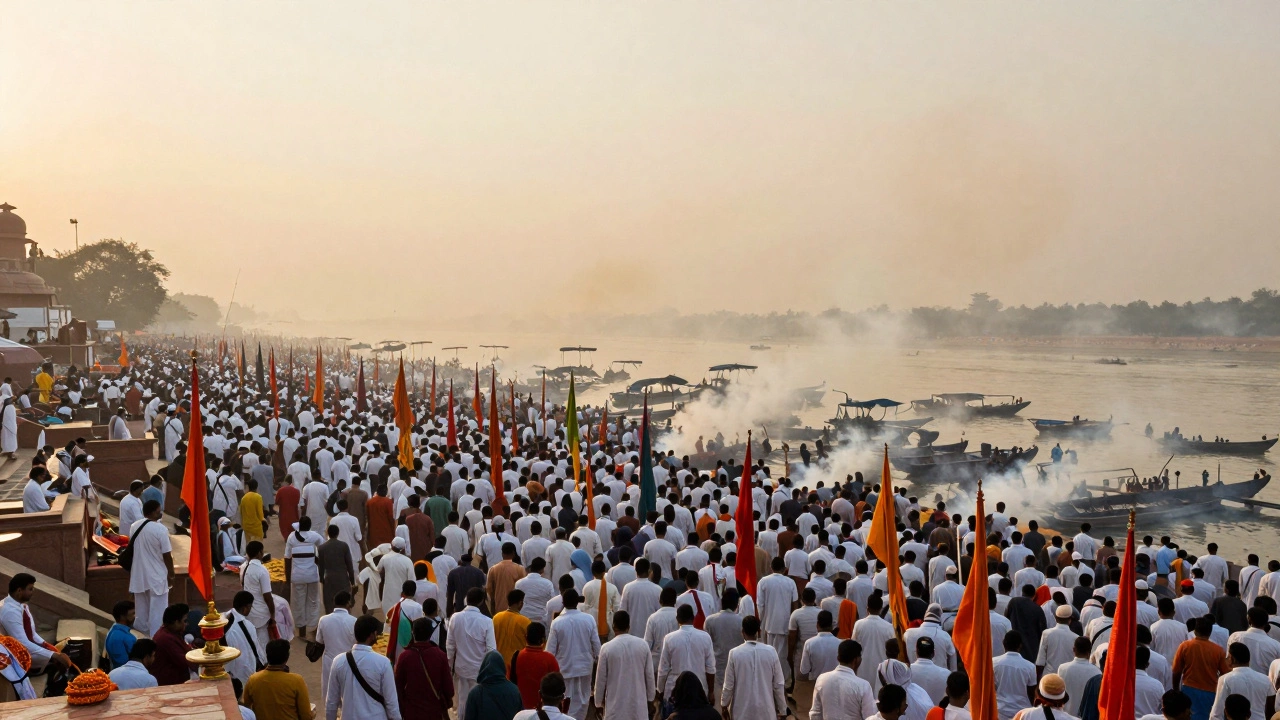
Picture this: millions of people, barefoot or in white cotton, moving as one massive river toward a single point. The air smells of incense, camphor, and sweat. The sound of bells drowns out speech. If you have ever wondered what the peak of Indian spiritual life looks like, you are looking for the answer to which is biggest temple festival in India. But here is the catch-there isn’t just one answer. It depends on whether you measure by crowd size, duration, or sheer visual spectacle.
If we talk about pure numbers, the Kumbh Mela is the undisputed heavyweight champion. However, it is technically a pilgrimage gathering rather than a single temple festival. For traditional temple-centric celebrations that draw global attention and massive local participation, the title usually goes to Mahashivaratri in Varanasi or the Jagannath Rath Yatra in Puri. Let’s break down the contenders so you can decide which one fits your travel plans.
The Crowd Champion: Kumbh Mela
When people ask about the largest gatherings in human history, the Kumbh Mela always tops the list. Held every three years at four different locations-Prayagraj, Haridwar, Nashik, and Ujjain-it rotates based on astrological alignments. While it centers around the sacred rivers (the Ganges and Godavari), the rituals are deeply tied to temple traditions and deities like Shiva and Vishnu.
In 2019, the Maha Kumbh in Prayagraj saw an estimated 84 million pilgrims over a month. That is not a typo. It is more than the population of many countries. If your definition of "biggest" is raw human scale, nothing else comes close. You will see akharas (monastic orders) marching with flags miles long, and holy men performing feats of endurance. It is chaotic, intense, and utterly unforgettable. Just remember: this happens once every 12 years for the "Maha" version, and every 3-6 years for the regular Kumbh.
The Spiritual Peak: Mahashivaratri in Varanasi
If you want the most intense religious atmosphere centered on a specific deity, look no further than Mahashivaratri in Varanasi. This festival honors Lord Shiva, and while it is celebrated across India, the city of Varanasi (Kashi) is the epicenter. On this night, devotees believe that the cosmic veil between the human and divine is thinnest.
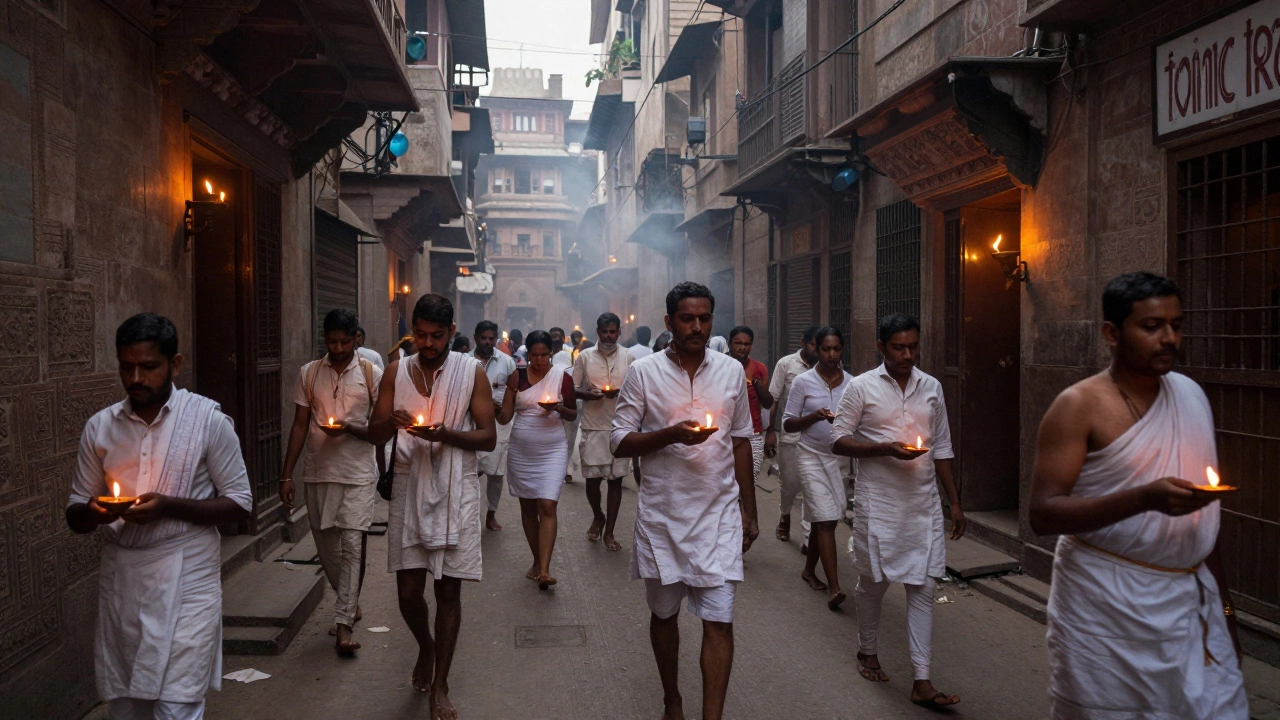
The highlight is the Shiv Ratri Parikrama, where hundreds of thousands of people walk around the entire city of Varanasi, visiting all 1,825 temples dedicated to Shiva. Many do this barefoot, some fasting, others carrying heavy loads of offerings. The energy is palpable. Unlike the Kumbh Mela, which spreads out over vast fields, Mahashivaratri concentrates its power into the narrow, ancient streets of one of the world's oldest cities. If you are looking for a deep, meditative experience rather than just a spectacle, this is it.
The Spectacle: Jagannath Rath Yatra in Puri
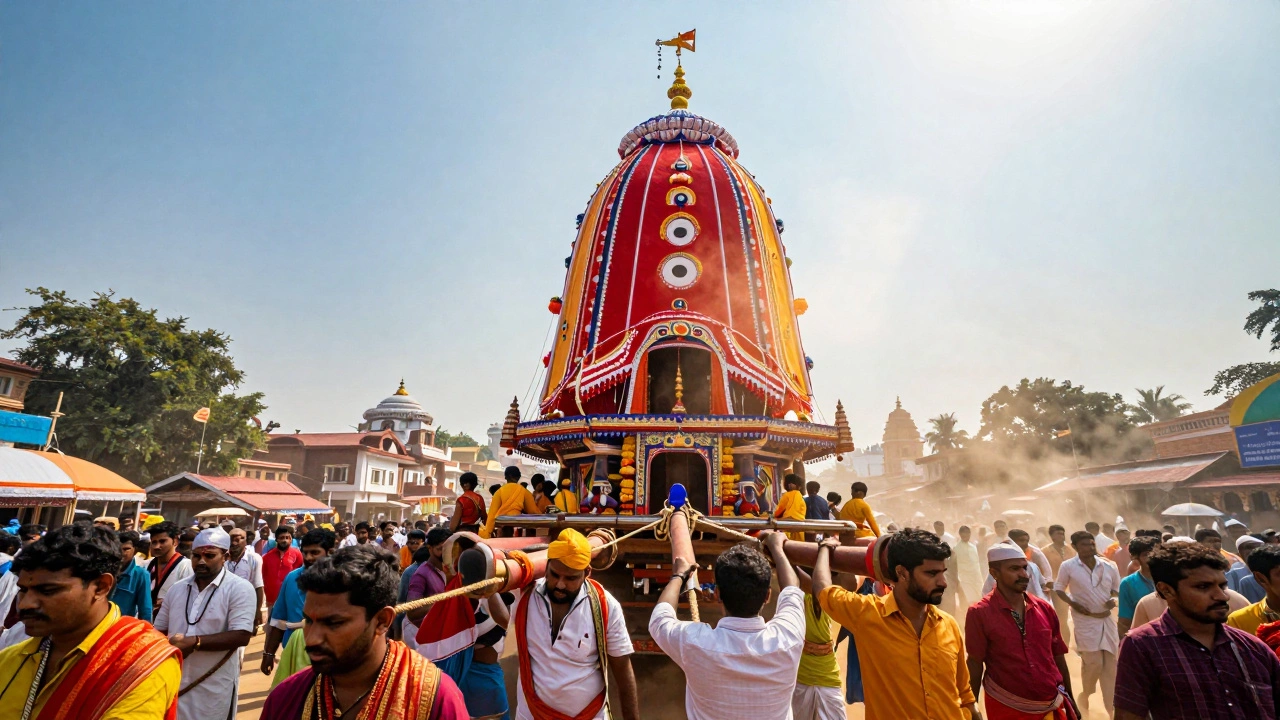
Now, let’s talk visuals. The Jagannath Rath Yatra in Puri, Odisha, is arguably the most famous chariot festival in the world. Every year, the deities Jagannath (a form of Vishnu/Krishna), Balabhadra, and Subhadra are taken from their temple to the Gundicha Temple on massive wooden chariots. These chariots can be up to 45 feet tall and require hundreds of people to pull them using thick ropes.
What makes this unique is the tradition of Dara Pulling. Devotees believe that pulling even a small piece of the rope grants them liberation from the cycle of rebirth. So, you will see crowds surging forward, pushing and shoving to get near the ropes. It is dangerous, yes, but also incredibly vibrant. The colors, the music, and the sheer physical effort create a scene that feels primal and joyous. This festival happens annually, making it more accessible than the Kumbh Mela.
The Southern Giant: Brahmotsavam in Tirupati
We cannot ignore South India when discussing big temple festivals. The Brahmotsavam at the Tirumala Venkateswara Temple in Tirupati is one of the largest annual events in the region. Dedicated to Lord Venkateswara, this ten-day festival features elaborate processions of the deity on various mounts-elephants, horses, lions, and peacocks.
Tirupati is already one of the richest and most visited temples in the world, handling millions of visitors annually. During Brahmotsavam, the crowds swell significantly. The ritualistic precision, the gold-plated decorations, and the traditional Carnatic music create a regal atmosphere. If you prefer structured, grand, and opulent celebrations over the raw chaos of northern festivals, Tirupati is your destination.
Other Major Contenders
While the above four dominate the conversation, several other festivals deserve mention for their scale and significance:
- Ganesh Chaturthi (Maharashtra): While not strictly a "temple" festival in the sense of staying within walls, this public celebration involves millions of clay idols being installed in homes and community pandals. In Mumbai alone, over 10,000 public idols are worshipped. The immersion processions are massive street parties with drums, dance, and fireworks.
- Durga Puja (West Bengal): Similar to Ganesh Chaturthi, this is a home-and-community-based festival, but the scale in Kolkata is immense. The artistic pandals (temporary structures) are world-famous, attracting tourists from all over India. It lasts five days and transforms the entire city into an open-air gallery.
- Navratri (Various): Celebrated across India, but particularly intense in Gujarat and Rajasthan. The Garba dances involve thousands of people moving in synchronized circles for hours. It is less about temple rituals and more about community celebration.
| Festival | Primary Deity | Location | Frequency | Crowd Estimate | Key Feature |
|---|---|---|---|---|---|
| Kumbh Mela | Shiva/Vishnu | Rotating (Prayagraj, etc.) | Every 3-12 years | 80+ Million | Largest human gathering |
| Mahashivaratri | Shiva | Varanasi | Annual | Millions | City-wide parikrama (circumambulation) |
| Rath Yatra | Jagannath | Puri, Odisha | Annual | Millions | Massive wooden chariots |
| Brahmotsavam | Venkateswara | Tirupati | Annual | Millions | Elaborate processions on mounts |
| Ganesh Chaturthi | Ganesha | Mumbai/Maharashtra | Annual | Millions | Public idol installation & immersion |
How to Choose the Right Festival for You
So, which one should you pick? It depends on what kind of traveler you are.
If you are an adventurer who thrives on chaos and wants to witness something that few humans will ever see, aim for the Kumbh Mela. Plan years ahead because accommodation is scarce and security is tight. Be prepared for basic facilities and huge crowds.
If you seek spiritual depth and want to feel the weight of centuries-old traditions, go to Varanasi for Mahashivaratri. Stay in a heritage hotel in the old city, hire a local guide who knows the temple routes, and join the early morning prayers. The experience is transformative but can be overwhelming if you are not used to intense religious fervor.
If you love color, music, and visual drama, choose Rath Yatra in Puri. It is safer and more organized than Varanasi during peak times. You can watch the chariot procession from designated viewing areas without getting crushed. Plus, Odisha’s cuisine is a delightful bonus.
For those who appreciate opulence and structured rituals, Tirupati’s Brahmotsavam offers a royal experience. Book your darshan tickets online well in advance, as the temple uses a sophisticated queue management system. The surrounding hills provide a scenic backdrop that contrasts with the urban intensity of Varanasi or Mumbai.
Practical Tips for Attending Big Temple Festivals
Attending these festivals requires preparation. Here is what you need to know:
- Book Early: Hotels near major temples fill up months in advance. For Kumbh Mela, you might need to stay in temporary camps provided by authorities.
- Dress Modestly: Shoulders and knees must be covered. Carry light cotton clothing, especially in summer months when many festivals occur.
- Stay Hydrated: India can be hot, and standing in crowds drains energy. Carry water bottles and electrolyte drinks.
- Secure Your Belongings: Pickpocketing is common in dense crowds. Use money belts or hidden pouches. Leave valuables in hotel safes.
- Hire a Local Guide: Navigating temple complexes and understanding rituals is much easier with someone who knows the language and customs.
- Respect Rituals: Photography may be restricted inside sanctums. Always ask permission before taking photos of devotees.
Why These Festivals Matter
Beyond the crowds and colors, these festivals are living examples of India’s cultural continuity. They connect modern Indians to ancient traditions, reinforcing community bonds and spiritual values. For travelers, they offer a window into a worldview where the divine is present in everyday life. Whether you are a believer or a curious observer, witnessing these events changes how you see the world.
So, if you are planning a trip to India, don’t just visit the Taj Mahal or Kerala backwaters. Time your visit to coincide with one of these massive temple festivals. You will leave with memories-and perhaps a deeper understanding-that last a lifetime.
Is Kumbh Mela considered a temple festival?
Technically, Kumbh Mela is a pilgrimage gathering centered around sacred rivers, not a single temple. However, it is deeply connected to Hindu theology and involves rituals performed at ghats (riverbanks) and nearby temples. It is the largest such event in the world.
When is Mahashivaratri celebrated?
Mahashivaratri falls on the 14th day of the Krishna Paksha (waning moon) in the Hindu month of Phalguna, usually between February and March. The date varies each year based on the lunar calendar.
Can foreigners attend these festivals?
Yes, foreigners are welcome at most temple festivals. However, access to inner sanctums may be restricted. Dress modestly, respect local customs, and be prepared for large crowds. Some areas may require special permits during peak times.
Which festival is the safest for first-time visitors?
Rath Yatra in Puri and Brahmotsavam in Tirupati are generally more organized and safer for first-time visitors compared to the chaotic crowds of Kumbh Mela or Mahashivaratri in Varanasi. Both have better infrastructure and crowd control measures.
Do I need a visa specifically for temple festivals?
No special visa is required for attending temple festivals. A standard tourist visa for India is sufficient. Ensure your visa is valid for the duration of your stay and check entry requirements well in advance.