Which Temple Is Only One in India? Unique Temples You Must Visit
 May, 5 2026
Unique Temple Explorer
Explore India's most distinct temples. Filter by architectural style to discover unique engineering marvels.
Kailasa Temple
UNESCO HeritageEllora Caves, Maharashtra
- Carved from single rock face (top-down)
- Removed 200,000+ tons of basalt
- Dedicated to Lord Shiva
Konark Sun Temple
UNESCO HeritageOdisha
- Designed as giant stone chariot
- Astronomical alignment for time-telling
- 12 pairs of wheels & 7 horses
Brihadeeswarar Temple
UNESCO HeritageThanjavur, Tamil Nadu
- Tallest gopuram of its time
- Built without modern scaffolding
- Dravidian architectural marvel
Jagannath Temple
Cultural IconPuri, Odisha
- Appears to float during high tide
- Black-and-white spire design
- Blends Hindu, Buddhist, Jain influences
Meenakshi Amman Temple
Ancient SiteMadurai, Tamil Nadu
- Honors Shiva & Parvati equally
- Thousand-pillared hall
- Interactive mirror lighting room
Have you ever wondered if there is a temple that is only one in India? It’s a common question among travelers and history buffs. The short answer is no-there isn’t just one single unique temple in the entire country. India has thousands of temples, each with its own story, architecture, and spiritual significance. However, some temples are so distinct in their design, history, or engineering that they stand out as truly one-of-a-kind structures.
When people ask this question, they’re usually looking for temples that cannot be replicated anywhere else. These aren’t just places of worship; they are architectural marvels that defy logic and time. From monolithic carvings to sun-powered chariots, these sites offer a glimpse into ancient Indian ingenuity. In this guide, we’ll explore the most unique temples in India that feel like they exist nowhere else on Earth.
The Monolith Miracle: Kailasa Temple, Ellora
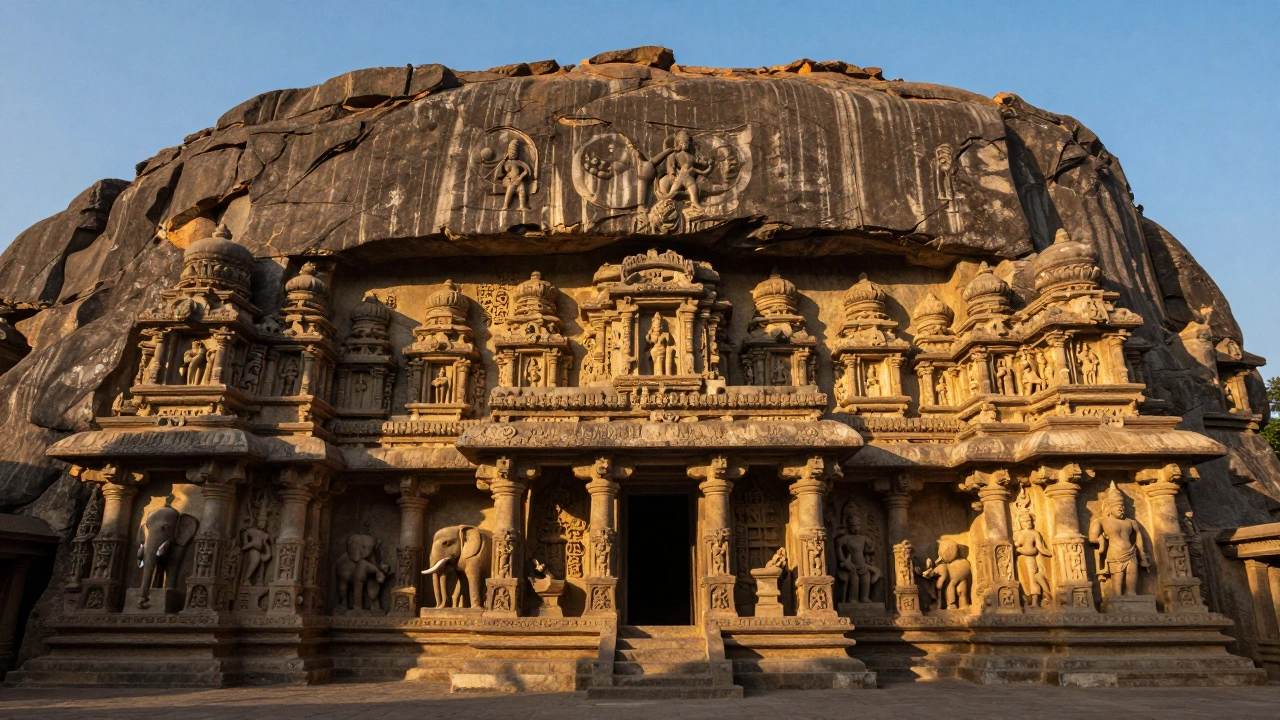
If you want to see something that seems impossible, head to the Kailasa Temple at Ellora Caves in Maharashtra. This isn’t built up from the ground-it was carved down from a single rock. Imagine standing on top of a mountain and chiseling away everything except the shape of a temple. That’s exactly what happened here in the 8th century under the Rashtrakuta dynasty.
The Kailasa Temple is dedicated to Lord Shiva and covers an area of about 30,000 square feet. Workers removed over 200,000 tons of basalt rock to create this masterpiece. What makes it truly unique is that it looks like a free-standing structure, but it’s actually part of the cliff face. No other temple in the world was created using this top-down excavation method on such a massive scale.
- Construction Time: Estimated between 15 to 75 years
- Height: Approximately 80 feet tall
- Unique Feature: Carved from a single vertical rock face
- Location: Ellora Caves, Aurangabad, Maharashtra
Visiting Kailasa feels like stepping into a myth. The intricate carvings depict scenes from the Ramayana and Mahabharata, while the pillars and elephants look almost alive. If you’re planning a trip to Maharashtra, this should be at the top of your list. It’s not just a temple; it’s a testament to human perseverance.
The Stone Chariot: Konark Sun Temple, Odisha
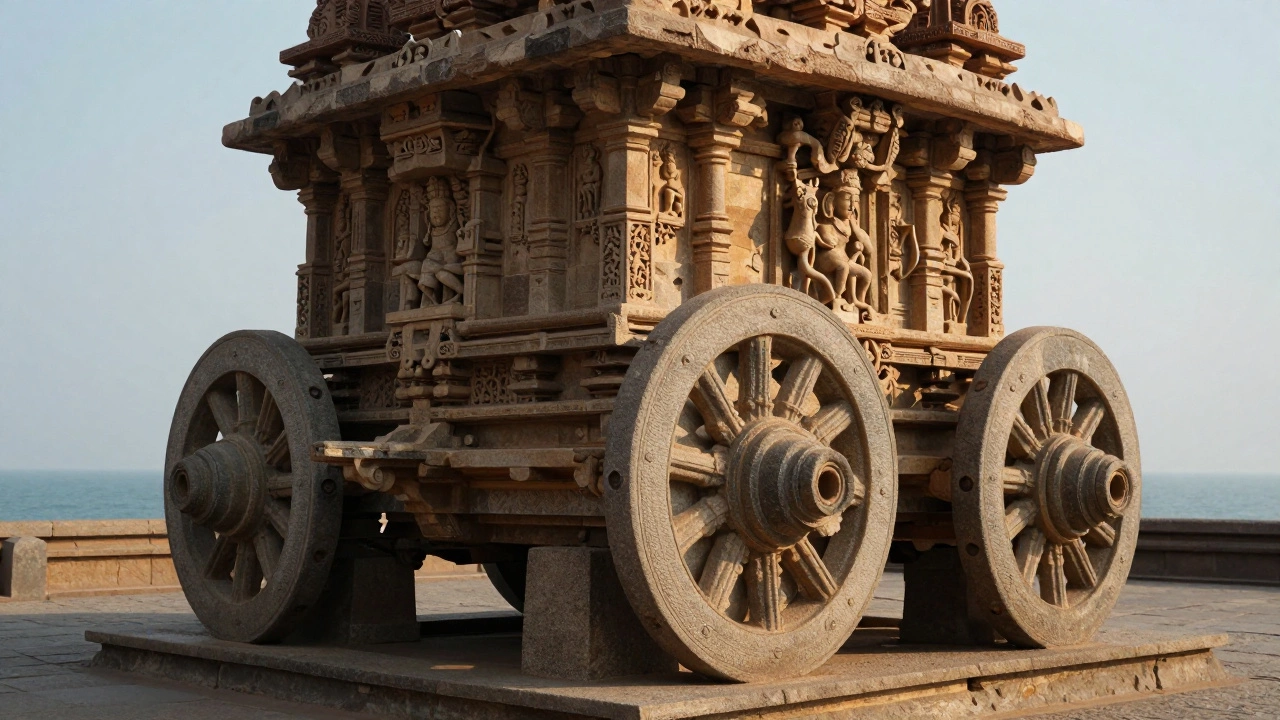
Next up is the Konark Sun Temple in Odisha, which looks like a giant chariot frozen in stone. Built in the 13th century by King Narasimhadeva I, this temple is dedicated to Surya, the Sun God. Its design mimics a royal chariot with twelve pairs of wheels and seven horses pulling it forward.
What makes Konark special is its astronomical precision. The temple was designed to align with the sun’s movement, casting shadows that could tell time. Although much of the upper structure has collapsed due to lightning strikes and weathering, the remaining ruins still awe visitors. The magnetic needle legend says that a large iron pillar once stood here, attracting ships from afar-a clever trick to boost trade.
| Temple | Key Material | Unique Design Element | UNESCO Status |
|---|---|---|---|
| Kailasa Temple | Basalt Rock | Monolithic Top-Down Carving | World Heritage Site |
| Konark Sun Temple | Khondalite Stone | Chariot Shape & Astronomical Alignment | World Heritage Site |
| Brihadeeswarar Temple | Granite | Tallest Gopuram (Vedic Era) | World Heritage Site |
Konark is more than a religious site; it’s a celebration of art and science. The dancing figures carved on the walls show incredible detail, capturing motion in stone. If you love photography or history, this place offers endless angles and stories. Just remember to visit early in the morning when the light hits the wheels perfectly.
The Towering Giant: Brihadeeswarar Temple, Thanjavur
In Tamil Nadu stands the Brihadeeswarar Temple in Thanjavur, also known as the Big Temple. Built by Rajaraja I in 1010 AD, this Dravidian-style marvel holds the record for the tallest gopuram (tower) of its time. At 66 meters high, it dominated the skyline for centuries without any modern scaffolding or machinery.
The crowning glory is the vimana (main tower), topped with a granite capstone weighing around 80 tons. How did they lift it? Engineers believe they used a 6-kilometer-long earthen ramp to slide it into place. Today, you can still see the shadow of the tower cast on the ground at noon-but never falls directly beneath it, thanks to precise alignment.
This temple is fully intact, unlike many others that have suffered damage over time. Inside, you’ll find life-sized sculptures of Nandi (the bull) and various deities. The bronze dance images found here inspired the famous Nataraja statue. For anyone interested in medieval Indian engineering, Brihadeeswarar is a must-see.
The Floating Wonder: Jagannath Temple, Puri
Located in Odisha, the Jagannath Temple in Puri is another standout. Dedicated to Lord Jagannath (a form of Vishnu), this 12th-century temple blends Hindu, Buddhist, and Jain influences. Its most striking feature is the black-and-white spire rising above the sea horizon.
Legend says the temple appears to float during high tide, though scientifically, it’s due to optical illusions caused by reflections on the wet sand. Locals claim that non-Hindus were historically barred from entering, but today, respectful visitors of all faiths are welcome outside the sanctum sanctorum.
Every four years, the Rath Yatra festival turns the streets into a carnival, where massive chariots carry idols through the city. Millions gather to witness this event, making it one of India’s largest religious processions. If timing allows, experiencing Rath Yatra adds a vibrant layer to your temple tour.
The Hilltop Sanctuary: Meenakshi Amman Temple, Madurai
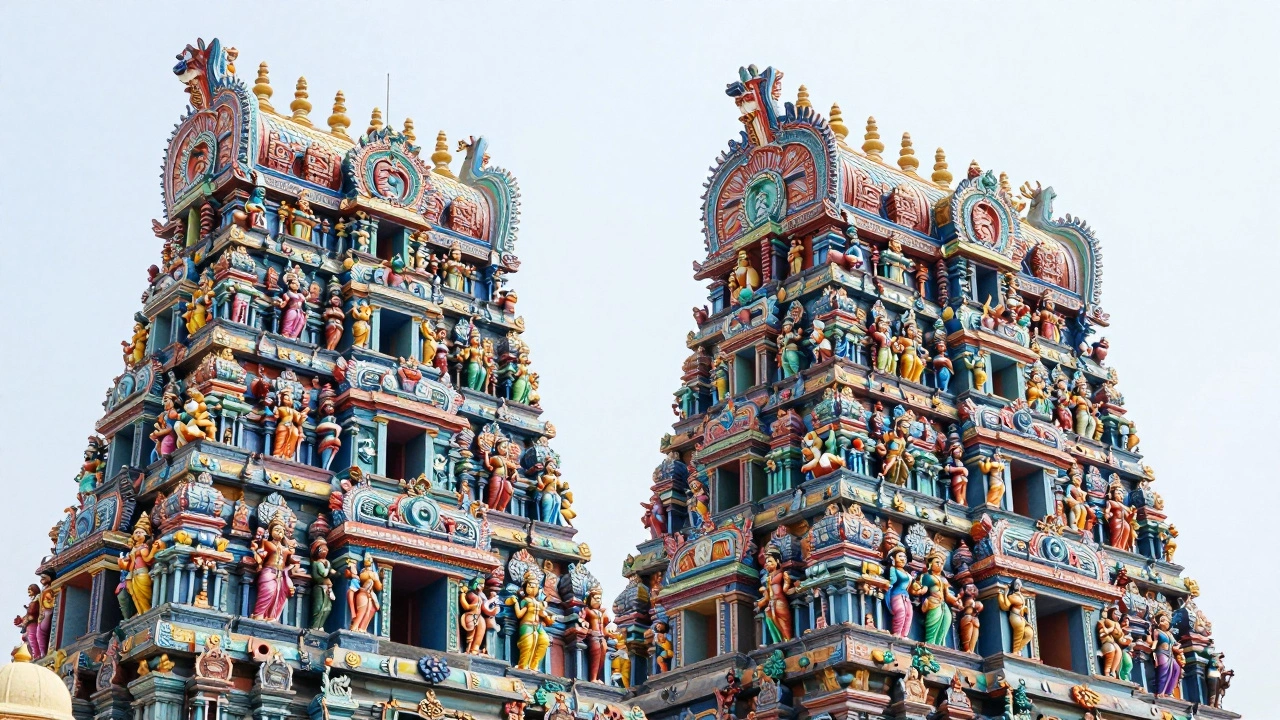
No discussion about unique temples would be complete without mentioning the Meenakshi Amman Temple in Madurai, Tamil Nadu. Dating back over 2,500 years, this temple complex sprawls across 14 acres and features 14 grand gopurams adorned with colorful stucco figures.
Unlike other temples focused solely on male deities, Meenakshi Amman honors both Shiva and his consort Parvati equally. The central shrine houses twin shrines for each deity, symbolizing balance and partnership. The thousand-pillared hall inside showcases intricate carvings depicting gods, dancers, and musicians.
One fascinating aspect is the mirror room near the entrance. When sunlight reflects off polished mirrors, it creates dazzling patterns across the ceiling-an early example of interactive lighting design. During festivals, the temple comes alive with drum beats, flower offerings, and devotional songs. It’s sensory overload in the best way possible.
Why Do These Temples Feel So Unique?
You might wonder why certain temples feel more exclusive than others. Several factors contribute to their uniqueness:
- Architectural Style: Each region developed distinct styles-Dravidian in the south, Nagara in the north, and Vesara in the center. Regional variations mean no two temples look identical.
- Historical Context: Many temples were commissioned by powerful kings who wanted to leave a lasting legacy. Their ambition led to extraordinary feats of engineering.
- Cultural Fusion: Some temples incorporate elements from multiple religions or artistic traditions, creating hybrid designs unseen elsewhere.
- Natural Setting: Temples built on hills, near rivers, or beside oceans gain added mystique from their surroundings.
Understanding these nuances helps you appreciate why visiting even one "unique" temple can change your perspective on Indian heritage. Whether you’re drawn to spirituality, architecture, or history, these sites deliver unforgettable experiences.
Planning Your Temple Tour in India
To make the most of your journey, consider these tips:
- Best Time to Visit: Avoid monsoon season (June-September) unless you enjoy rain-soaked adventures. Winter months (October-February) offer pleasant weather ideal for exploration.
- Dress Code: Modest clothing is required. Cover shoulders and knees, and remove shoes before entering inner sanctums.
- Guided Tours: Hire local guides familiar with regional histories. They provide context beyond what brochures say.
- Photography Rules: Check restrictions beforehand. Inner shrines often prohibit cameras, but exterior shots are usually allowed.
- Connectivity: Major cities have good internet access, but remote areas may lack signal. Download offline maps and translation apps.
By preparing ahead, you ensure smoother transitions between destinations. Plus, knowing basic etiquette shows respect for local customs and enhances your overall experience.
Is there really only one unique temple in India?
No, there isn't just one unique temple. India boasts hundreds of distinctive temples, each offering singular architectural or historical value. Sites like Kailasa Temple and Konark Sun Temple are particularly renowned for their one-of-a-kind features.
What makes the Kailasa Temple so special?
The Kailasa Temple is unique because it was carved entirely from a single rock face, working downward rather than building upward. This monolithic approach is unmatched globally and represents a pinnacle of ancient engineering skill.
Can foreigners visit the inner sanctum of Jagannath Temple?
Traditionally, non-Hindus were restricted from entering the inner sanctum. However, policies vary slightly depending on current regulations. Visitors should check updated guidelines before traveling and always dress modestly and behave respectfully.
Which temple is best for photography enthusiasts?
The Meenakshi Amman Temple in Madurai offers excellent photographic opportunities due to its brightly colored gopurams and detailed sculptures. Early mornings provide soft lighting perfect for capturing intricate details without crowds.
How long does it take to explore all major unique temples?
A comprehensive temple tour covering key sites like Ellora, Konark, Thanjavur, and Madurai typically requires 10-14 days. Allow extra time for travel logistics and deeper engagement with local culture.