Why Foreigners Love Goa: The Real Draw of India's Party State
 Apr, 14 2026
Quick Takeaways: The Goa Appeal
- Cultural Fusion: A unique blend of Indian traditions and Portuguese colonial legacy.
- Diverse Landscapes: From the loud parties of the North to the silent forests and empty beaches of the South.
- Digital Nomad Hub: High-speed internet in cafes and a low cost of living.
- Accessibility: Easy transit via Mopa and Dabolim airports.
The Colonial Ghost: Why the Architecture Feels Different
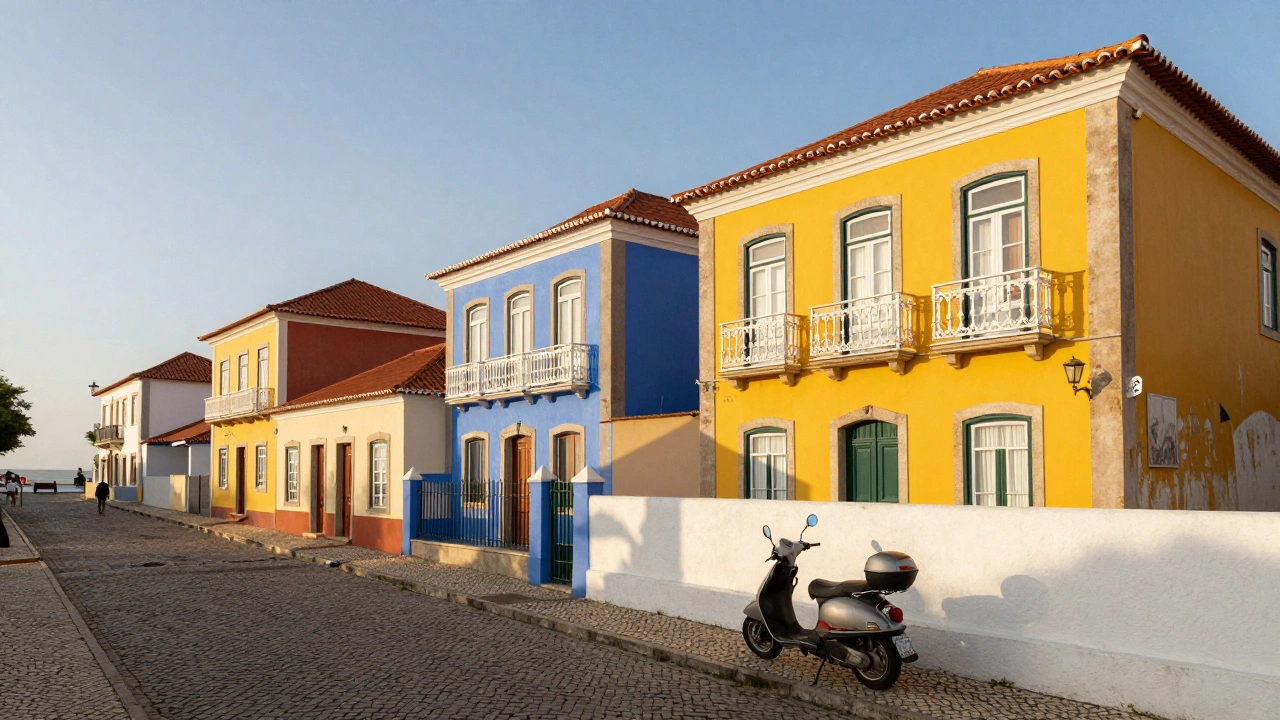
Walk through the streets of Fontainhas in Panjim, and you'll feel like you've stepped into a Mediterranean town. Portuguese architecture is a colonial style characterized by brightly colored walls, tiled roofs, and ornate balconies that dominated the region for 450 years. This isn't just about pretty photos for Instagram; it's about the atmosphere. Foreigners often find this aesthetic comforting and visually stimulating, bridging the gap between European familiarity and Indian exoticism.
Unlike the towering skyscrapers of Mumbai or the historic forts of Delhi, the architecture here is human-scale. You'll find small bakeries selling poee (traditional Goan bread) and white-washed churches like the Basilica of Bom Jesus, which is a UNESCO World Heritage site and one of the most important churches in India. This mix of Latin influence and Hindu culture creates a hybrid identity that is rare elsewhere in Asia.
North vs. South: A Tale of Two Vibes
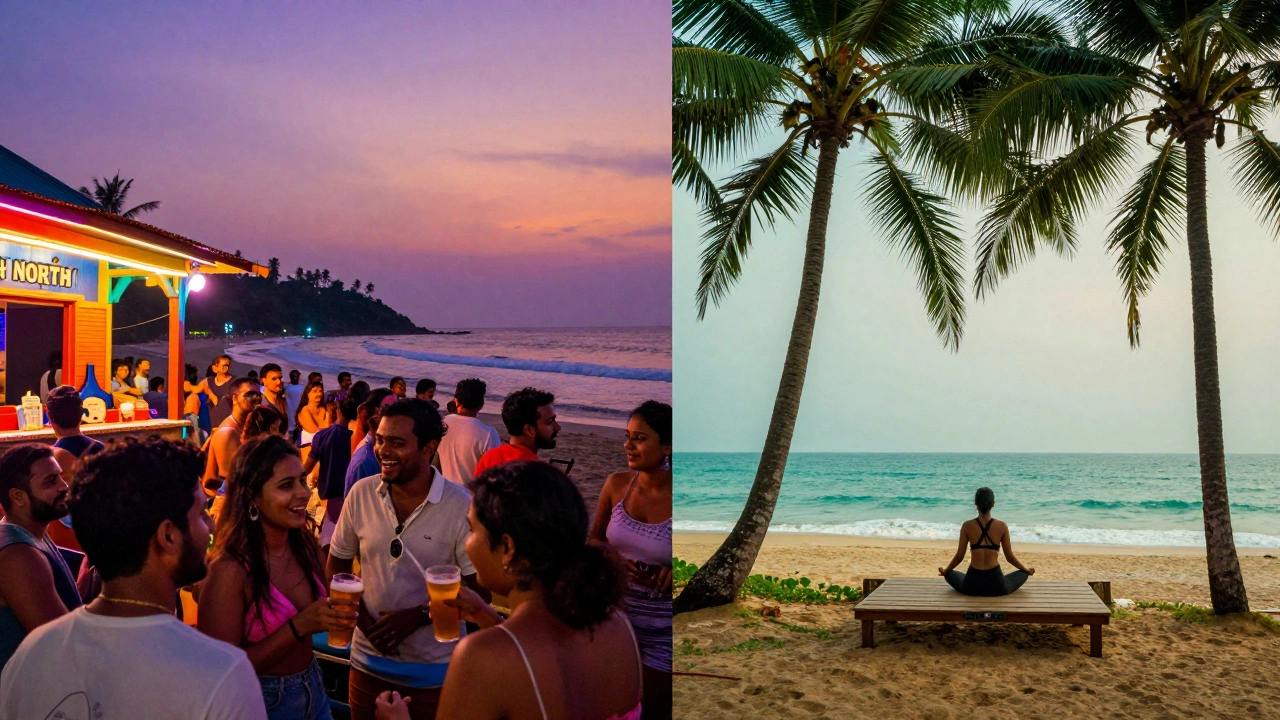
One of the biggest reasons foreigners keep coming back is that Goa caters to two completely different psychological needs. You don't have to choose one; you can experience both in a single trip. The North is where the energy is. Calangute and Baga are the heartbeats of beach destinations India, offering neon lights, seafood shacks, and an endless stream of water sports. It's the place for the social butterfly who wants to meet other travelers over a beer.
Then there's South Goa. If the North is a party, the South is a meditation retreat. Places like Palolem or Agonda offer a slower pace where the only "traffic" is a few scooters on a dirt road. Here, the attraction is the silence. Many Europeans spend months here, living in basic huts and focusing on yoga or writing. The contrast allows a traveler to pivot from extreme socialization to deep solitude without leaving the state.
| Feature | North Goa | South Goa |
|---|---|---|
| Primary Vibe | High Energy / Party | Quiet / Relaxation |
| Crowd Density | Very High | Low to Moderate |
| Accommodation | Boutique Hotels & Hostels | Eco-Resorts & Beach Huts |
| Main Activity | Nightclubs & Shopping | Yoga & Nature Walks |
The Digital Nomad Magnet
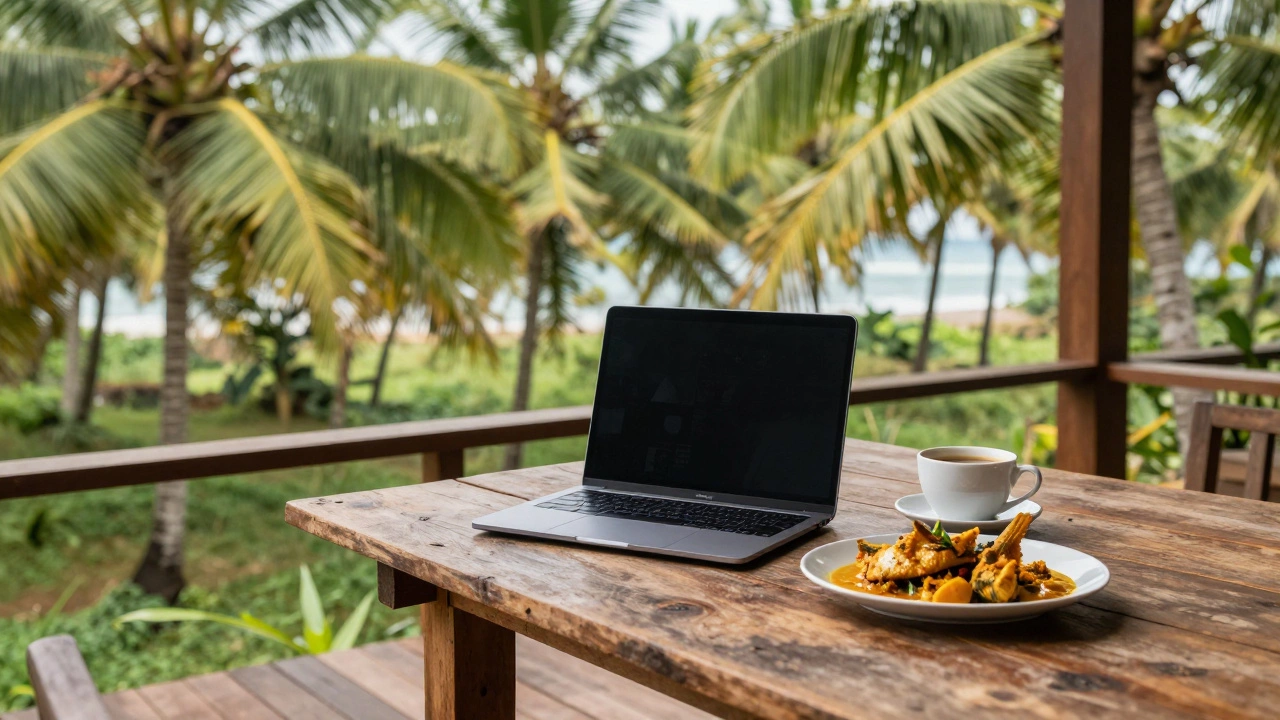
In recent years, Goa has evolved from a vacation spot into a legitimate workspace. With the rise of remote work, Digital Nomads are professionals who use technology to work remotely while traveling the world. Goa is the perfect storm for them: cheap rent, a community of like-minded creatives, and an environment that prevents burnout.
Think about the logistics. A freelancer from Berlin or New York can rent a villa for a fraction of their home city's cost and spend their breaks swimming in the ocean. The rise of coworking spaces in places like Anjuna has created a professional ecosystem. It's no longer just about the "hippie trail" of the 1960s; it's about the "laptop lifestyle" of the 2020s. This shift has brought a new wave of educated, long-term foreign residents who contribute to the local economy beyond the peak winter season.
The Culinary Crossroads
Food is a massive draw. Goan cuisine isn't just "Indian food"; it's a distinct fusion. The use of coconut, tamarind, and vinegar-the latter a Portuguese import-creates flavors you won't find in the North. Foreigners are often drawn to the seafood culture here. Fresh kingfish or prawns grilled on a beach shack are staples.
But it's also about the variety. In a single street in Assagao, you can find an authentic Goan fish curry, a high-end Italian bistro, and a vegan cafe serving avocado toast. This culinary flexibility removes the "food anxiety" some travelers feel when visiting India for the first time. You can lean into the local spice or stick to familiar global flavors whenever you need a break.
The Social Freedom and the 'Susegad' Philosophy
There is a word in Goa that every visitor eventually learns: Susegad. Derived from the Portuguese word sossegado, it roughly translates to a state of relaxed contentment. It's a philosophy of taking it easy and not stressing over the small things. This mindset is infectious. For people coming from high-stress environments like London or Tokyo, Susegad is a spiritual tonic.
Furthermore, there's a perceived level of social freedom in Goa. While India is generally conservative, Goa feels more liberal. Whether it's the clothing choices on the beach or the openness of the nightlife, there's a sense that people are accepted for who they are. This atmosphere of tolerance makes it a safe haven for LGBTQ+ travelers and those who don't fit the traditional mold.
Practical Tips for Navigating Goa
If you're planning a trip, don't just wing it. Here are a few rules of thumb based on the actual ground reality:
- Transportation: Rent a scooter (Activa is the gold standard). It's the only way to truly explore the hidden lanes. Just make sure you have a valid international driving permit.
- Timing: Avoid the "peak of the peak" in late December if you hate crowds. February and March offer the best balance of great weather and manageable crowds.
- Geography: Don't stay in one place. Spend three days in the North for the buzz, then migrate south for the peace.
- Eco-consciousness: Goa struggles with plastic waste. Support the local "plastic-free" initiatives and avoid beach parties that leave trash behind.
Is Goa safe for solo foreign travelers?
Yes, Goa is generally one of the safest states in India for foreigners. The locals are used to tourists and are typically welcoming. Standard travel precautions apply-keep your valuables secure and be mindful of your surroundings at night-but the overall environment is very friendly to solo travelers.
When is the best time for a foreigner to visit Goa?
The ideal window is between November and February. The weather is cool and dry, making it perfect for beach hopping. However, if you want a more authentic, quiet experience and don't mind the rain, the monsoon season (June to September) is stunningly green and far less crowded.
Do I need a visa to work remotely from Goa?
Technically, a standard tourist visa does not grant a work permit. However, many digital nomads operate in a gray area, working for clients outside of India. It's always best to check the latest Indian visa regulations or look into the E-visa options to ensure your stay is legal.
Which is better: North Goa or South Goa?
It depends on your goal. If you want parties, shopping, and a fast-paced social scene, North Goa is the winner. If you are looking for wellness, quiet beaches, and nature, South Goa is far superior. Most long-term visitors split their time between both.
Is the food in Goa spicy for those not used to it?
Goan food uses a lot of chilies, but because of the high volume of international tourists, almost every restaurant knows how to adjust the heat. Just ask for "mild" or "no spice," and they will accommodate you without a problem.
What to do Next
If you're feeling the pull of the coast, start by mapping out your split between the North and South. If you're a remote worker, look for guesthouses in Assagao or Anjuna that specifically mention stable Wi-Fi. If you're a culture seeker, make a list of the churches in Old Goa and the colorful streets of Panjim. Regardless of your path, the key to enjoying Goa is to stop planning every minute and let the Susegad spirit take over. Sometimes the best discoveries happen when you get lost on a scooter in the middle of a coconut grove.