5 Types of Cultural Tourists: A Guide to Travel Styles in India
 Jul, 3 2026
Discover Your Cultural Travel Style
Select the statement that best describes your ideal trip to India:
The Historian
I want to verify history. I love museums, ancient forts, and UNESCO sites with detailed facts.
The Local
I reject being a spectator. I prefer homestays, helping out in villages, and living like the locals.
The Seeker
I seek inner transformation. Yoga, meditation, sacred rituals, and silence are my priorities.
The Foodie
Food is culture on a plate. I skip buffets for street stalls, cooking classes, and local markets.
The Artist
Culture is dynamic expression. I attend festivals, watch classical dance, and buy handmade crafts.
Your Ideal Itinerary Includes:
You’ve probably seen them. The person frantically snapping photos of a temple facade while ignoring the intricate carvings at their feet. The traveler who spends three hours bargaining for a silk scarf but only five minutes listening to the weaver’s story. Or perhaps you’re one of them yourself, trying to figure out why your trip felt empty despite checking every box on the itinerary.
Travel isn’t just about moving from point A to point B anymore. It’s about connection, understanding, and experience. But not everyone seeks that connection in the same way. When we talk about cultural tourism, especially in a vibrant, complex destination like India, we aren’t talking about a single monolith. We are looking at distinct groups of people with different motivations, behaviors, and expectations.
Understanding these five specific types of cultural tourists helps travelers plan better trips, helps local communities prepare for visitors, and helps businesses tailor experiences that actually resonate. Let’s break down who these people are and what they really want when they step off the plane.
The Heritage Seeker: Chasing History and Stone
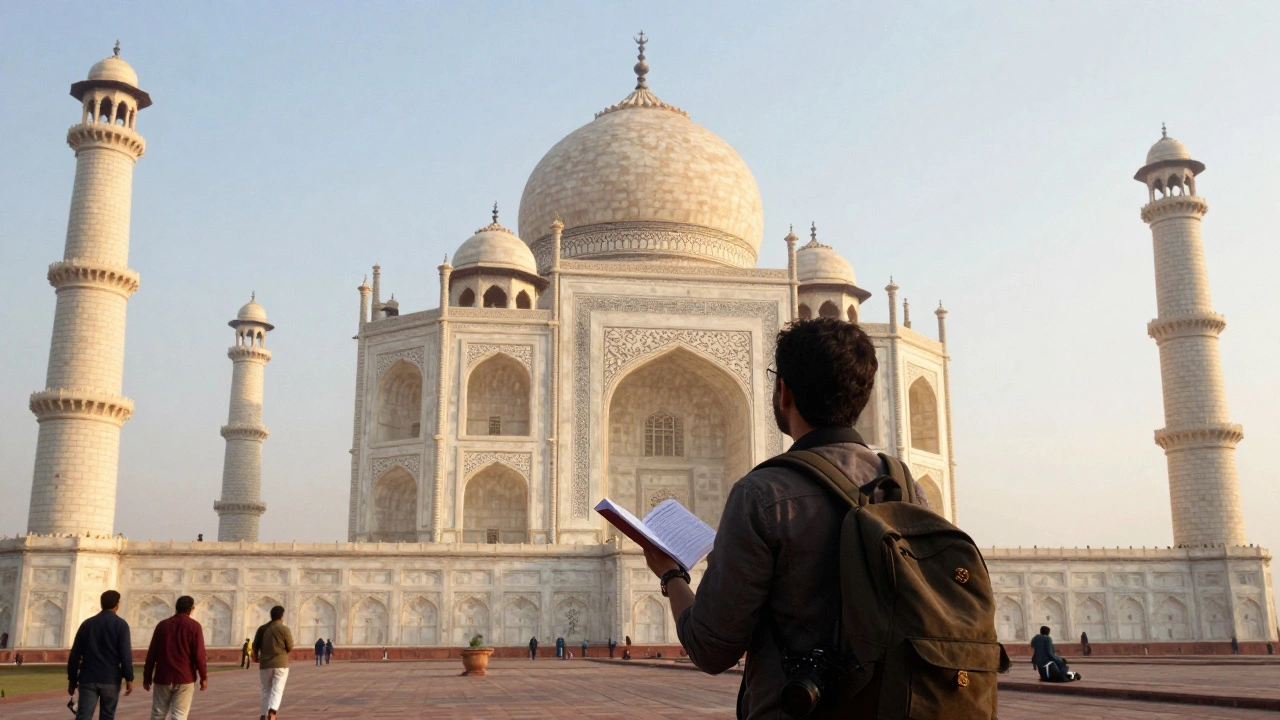
This is perhaps the most recognizable type of cultural tourist. For the Heritage Seeker, culture is tangible. It lives in museums, ancient forts, archaeological sites, and UNESCO World Heritage lists. They don’t just want to see a place; they want to verify its historical significance.
In India, this traveler is drawn to the grandeur of the Taj Mahal, the ruins of Hampi, or the cave temples of Ellora. Their itinerary is often rigid, packed with guided tours that provide dates, names, and architectural styles. They value accuracy and depth of information. If a guide can explain the Mughal influence on Indo-Islamic architecture, the Heritage Seeker is hooked.
Heritage Tourism focuses on preserving and visiting places of historical importance. This type of tourist often carries a guidebook or uses an audio app to ensure they get the facts right. They are less interested in the daily life of locals unless it directly relates to the preservation of the site.
For this group, the "job-to-be-done" is validation. They want to say, "I was there, I saw it, and I understand its place in history." To serve them well, destinations need clear signage, knowledgeable guides, and protected sites that haven’t been overrun by commercialization.
The Immersion Traveler: Living Like a Local
If the Heritage Seeker looks at the past, the Immersion Traveler looks at the present. They reject the idea of being a spectator. Instead, they want to participate. This type of tourist measures success by how deeply they integrated into the local community during their stay.
In the context of Rural Tourism in India, this might mean staying in a homestay in Kerala rather than a resort. It means learning to make dosa in a village kitchen in Tamil Nadu or joining a harvest festival in Punjab. They prioritize authenticity over comfort. They don’t mind if the Wi-Fi is slow or the bed is hard, as long as the interaction feels real.
This traveler asks questions like, "What do you eat for breakfast?" or "Can I help with the weaving?" They are driven by curiosity and a desire to break down stereotypes. However, there’s a fine line here. True immersion requires respect and humility. When done right, it creates mutual benefit-the tourist gets a unique memory, and the host family gets income and cross-cultural exchange.
The risk for this type is "poverty tourism," where the focus shifts to observing hardship rather than engaging with culture. Ethical immersion avoids this by ensuring interactions are consensual, compensated fairly, and centered on shared human experiences rather than exoticism.
The Spiritual Pilgrim: Searching for Meaning
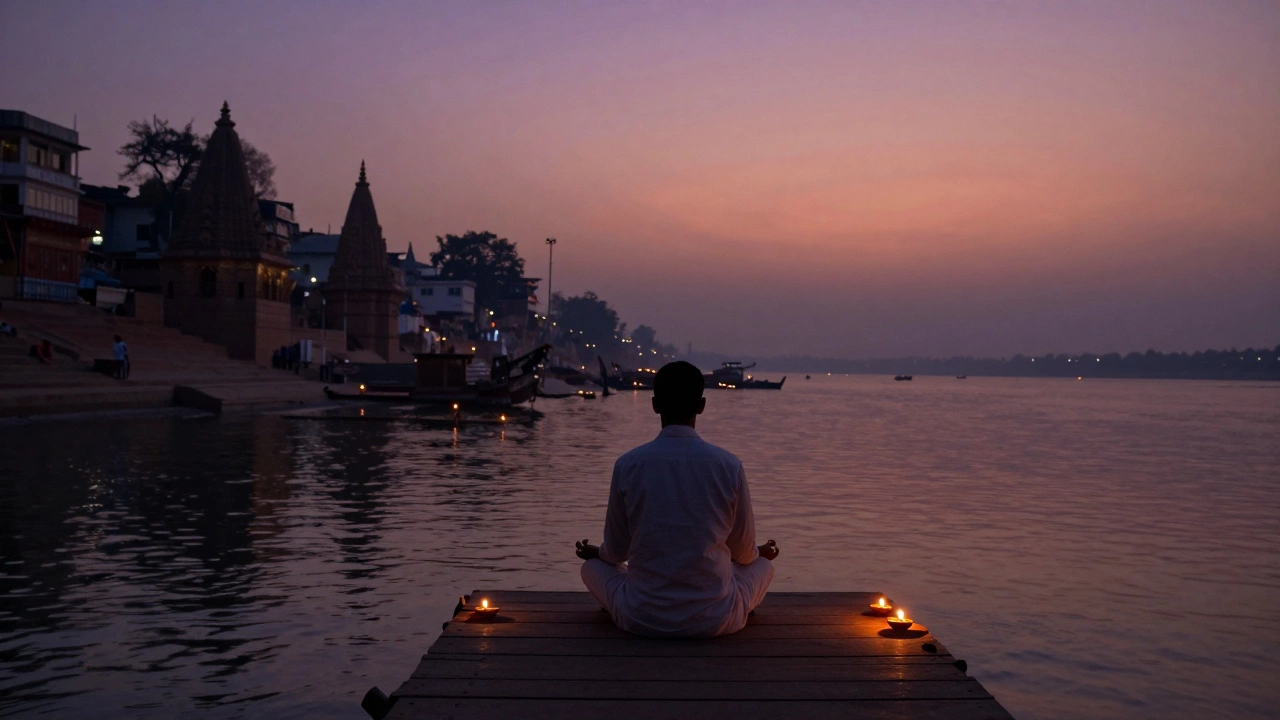
India is a global hub for spiritual tourism, attracting a specific subset of cultural tourists who travel primarily for inner transformation. These are the Spiritual Pilgrims. They may be religious devotees visiting sacred sites, or secular seekers looking for peace, meditation, and self-discovery.
Whether they are heading to Varanasi to witness the Ganga Aarti, practicing yoga in Rishikesh, or visiting Buddhist circuits in Sarnath, their motivation is internal. They seek silence, ritual, and a sense of connection to something larger than themselves. Unlike the Heritage Seeker, who wants facts, the Spiritual Pilgrim wants feelings and insights.
Spiritual Tourism involves traveling to sacred sites for religious or personal growth purposes. This demographic often travels slowly. They might spend a week in one ashram rather than rushing through five cities. They value atmosphere, sanctity, and guidance from gurus or monks.
For destinations, catering to this group means maintaining the sanctity of spaces. Over-commercialization can ruin the vibe. A pilgrim doesn’t want a selfie stick shoved in their face during prayer; they want space to breathe. Successful spiritual tourism balances accessibility with reverence.
The Gastronomic Explorer: Tasting Culture
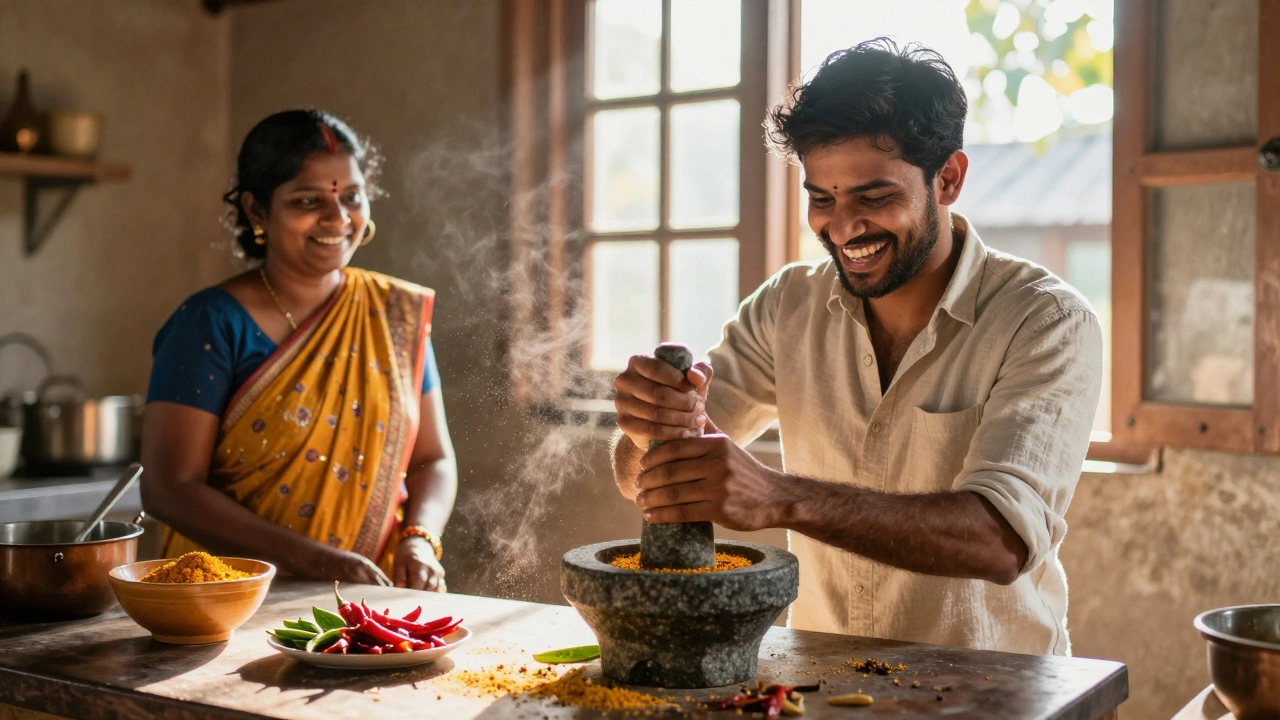
Food is culture on a plate. The Gastronomic Explorer believes you cannot understand a place without eating its food. This isn’t just about finding the best curry; it’s about understanding the ingredients, the methods, and the social rituals around dining.
In India, this traveler will skip the hotel buffet to find a street-side chaat stall in Delhi. They’ll take a cooking class in Hyderabad to learn the spice blends of Hyderabadi biryani. They visit markets, talk to farmers, and ask why certain dishes are eaten during festivals. Food is their entry point into the broader cultural narrative.
Gastronomy Tourism connects culinary experiences with cultural identity and regional agriculture. This type of tourist supports local economies directly by buying fresh produce and paying for small-scale culinary experiences. They are often adventurous eaters, willing to try insects, fermented foods, or spicy challenges that others avoid.
The key for this traveler is access. They need recommendations that go beyond tourist traps. They rely on local food bloggers, market guides, and chefs who are passionate about their heritage. When a destination fails to provide safe yet authentic food options, this tourist feels disconnected.
The Art and Performance Enthusiast: Witnessing Creativity
The fifth type is drawn to the living arts. This includes classical dance, music, theater, craft fairs, and contemporary art galleries. The Art and Performance Enthusiast sees culture as a dynamic, evolving expression rather than a static relic.
In India, this might mean attending a Kathak performance in Jaipur, watching a puppet show in Rajasthan, or exploring the modern art scene in Mumbai. They are interested in the artists behind the work. They want to meet the potter, the dancer, or the painter. They appreciate the skill, the tradition, and the innovation involved.
Arts Tourism supports creative industries and live performance sectors. This traveler often visits during festivals-like the Pushkar Camel Fair or the Hornbill Festival-to maximize their exposure to diverse artistic expressions. They buy handmade crafts not as souvenirs, but as investments in artisan livelihoods.
For this group, timing is everything. Missing the festival season means missing the core experience. Destinations must promote their cultural calendar effectively. Without clear information on when and where performances happen, this tourist may leave feeling that the culture is inaccessible or hidden away.
Why Does This Distinction Matter?
You might wonder why we need to label travelers. Isn’t everyone just a tourist? The answer lies in sustainability and satisfaction. When a destination treats all cultural tourists the same, everyone loses.
Imagine building a luxury spa near a sacred temple because you assumed all visitors want relaxation. The Spiritual Pilgrim will feel disrespected. The Heritage Seeker will find it irrelevant. Meanwhile, the Immersion Traveler might feel alienated by the lack of local interaction.
By recognizing these five types, travel planners can create segmented offerings:
- For Heritage Seekers: Detailed audio guides, expert-led walks, and preserved sites.
- For Immersion Travelers: Homestays, volunteer opportunities, and language exchange programs.
- For Spiritual Pilgrims: Quiet zones, meditation retreats, and respectful tour protocols.
- For Gastronomic Explorers: Market tours, cooking classes, and farm-to-table dinners.
- For Art Enthusiasts: Festival calendars, artist meet-and-greets, and gallery passes.
This approach also helps manage overtourism. If too many Heritage Seekers crowd a small temple, dispersing some interest toward nearby art workshops or rural villages can balance the load. It’s about matching the right traveler to the right experience.
How to Identify Your Own Type
Before you book your next trip to India, ask yourself what drives you. Are you looking for facts, feelings, flavors, or connections? You might be a mix of two types-perhaps a Heritage Seeker who also loves food. That’s common. But knowing your primary motivation helps you pack lighter, plan smarter, and engage deeper.
If you’re unsure, start small. Join a local cooking class instead of booking a full museum tour. Stay in a guesthouse instead of a chain hotel. Pay attention to what energizes you and what drains you. The best cultural travel happens when you stop trying to see everything and start focusing on what matters to you.
Which type of cultural tourist is most common in India?
The Heritage Seeker is traditionally the most common, drawn by iconic sites like the Taj Mahal and Amber Fort. However, Immersion and Spiritual travelers are growing rapidly due to increased interest in wellness and authentic local experiences.
Can I be more than one type of cultural tourist?
Yes, most travelers are hybrids. For example, you might be a Heritage Seeker who also enjoys Gastronomy. Recognizing your dominant style helps you prioritize activities, but mixing types can lead to a richer, more balanced trip.
How does cultural tourism impact local communities?
When managed ethically, it provides income for artisans, preserves traditions, and funds site maintenance. However, mass tourism can lead to commodification, where culture is simplified for tourist consumption, losing its original meaning and value.
What is the difference between a tourist and a traveler?
While often used interchangeably, "tourist" implies following established paths and seeking comfort, while "traveler" suggests a more independent, immersive approach. In cultural tourism, both terms apply, but the intent (observation vs. participation) defines the experience more than the label.
How can I ensure my cultural tourism is ethical?
Respect local customs, dress modestly, ask permission before taking photos of people, buy directly from artisans, and choose locally-owned accommodations. Avoid activities that exploit animals or poverty. Engage with humility and a willingness to learn.