6 Famous Temples in India: A Guide to Spiritual Architecture
 Aug, 25 2026
Indian Temple Itinerary Planner
Tap the temples you want to include in your trip. Your personalized plan updates automatically.
Choose at least one temple above to see your customized itinerary, best season, dress code and accessibility tips.
India is a land where the divine and the architectural collide. You don't just visit a temple here; you step into a living history book carved from stone. Whether you are chasing the rhythmic beats of gopurams or the serene silence of mountain shrines, the country offers a spectrum of spiritual experiences that define its cultural soul.
This guide breaks down six iconic structures that every traveler should understand before packing their bags. We aren't just listing names; we are looking at why these specific sites dominate the conversation around temple tours in India. From the towering gateways of the South to the intricate carvings of the North, each location tells a distinct story about faith, engineering, and artistry.
The Golden Triangle of Faith: Why These Six?
Selecting only six temples out of thousands feels like picking favorite children, but these sites represent the pinnacle of Indian religious architecture. They cover the major styles-Dravidian, Nagara, Vesara, and Indo-Aryan-and span centuries of construction. If you are planning a trip, these locations offer the highest return on investment for your time and curiosity.
Each site serves a different purpose. Some are massive pilgrimage hubs with millions of visitors daily. Others are quiet, isolated sanctuaries where the focus is purely on the beauty of the structure itself. Understanding this distinction helps you plan your itinerary effectively. Are you looking for a bustling sensory overload or a peaceful moment of reflection? The answer determines which of these six will resonate most with you.
Mahabodhi Temple: Where Enlightenment Happened
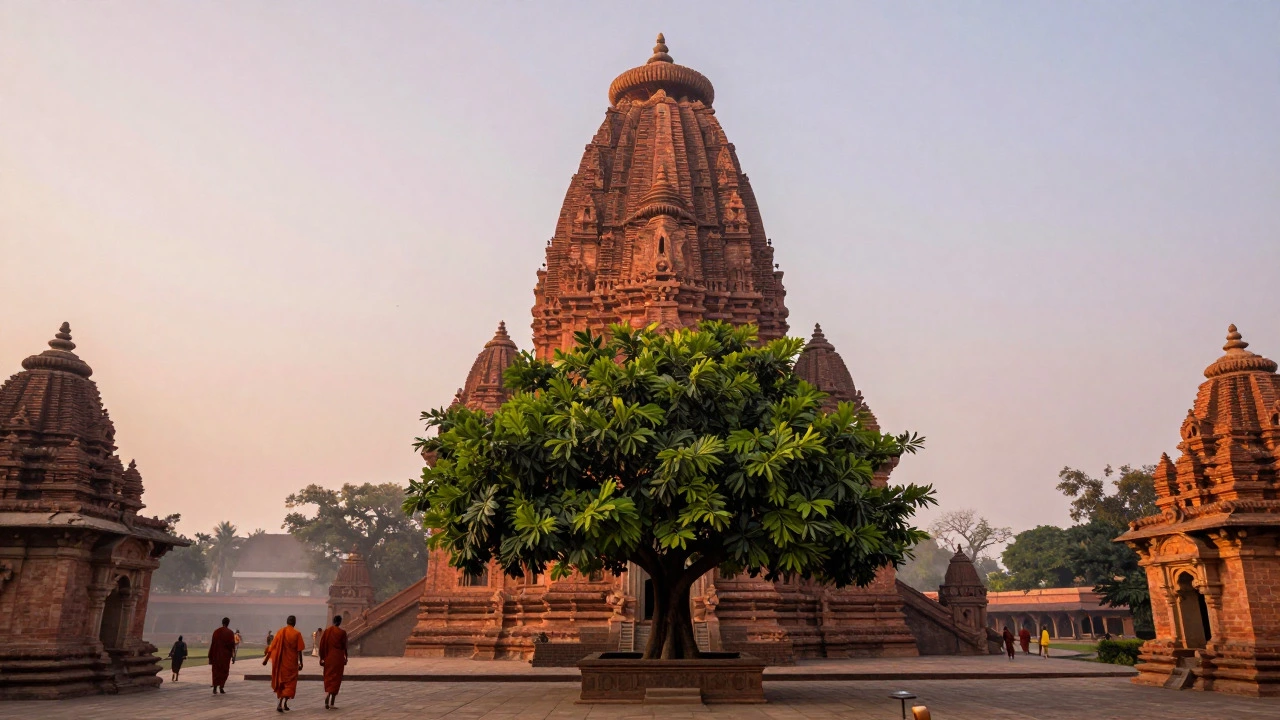
Located in Bodh Gaya, Bihar, the Mahabodhi Temple is not just a building; it is the physical anchor point of Buddhism. It stands exactly where Siddhartha Gautama attained enlightenment under the Bodhi tree. For travelers, this site offers a profound sense of historical weight that few other places can match.
- Architectural Style: Monolithic brick tower rising 55 meters high.
- Key Feature: The Vajrasana (Diamond Throne) located beneath the sacred tree.
- Best Time to Visit: December to February for pleasant weather and fewer crowds.
- Visitor Experience: High spiritual intensity; expect chanting monks and international pilgrims.
The temple complex includes several smaller stupas and monasteries built by various countries, including Thailand, Myanmar, and Sri Lanka. This makes it a unique cultural hub where you can observe global Buddhist practices in one location. The atmosphere is meditative yet vibrant, creating a contrast that keeps visitors engaged throughout their stay.
Brihadeeswarar Temple: The Dravidian Masterpiece
If you want to see what pure ambition looks like in stone, head to Thanjavur, Tamil Nadu. The Brihadeeswarar Temple, built by Rajendra Chola I in the 11th century, is a UNESCO World Heritage Site and a prime example of Dravidian architecture. Its most striking feature is the vimana (tower), which stands 66 meters tall and was constructed without any mortar.
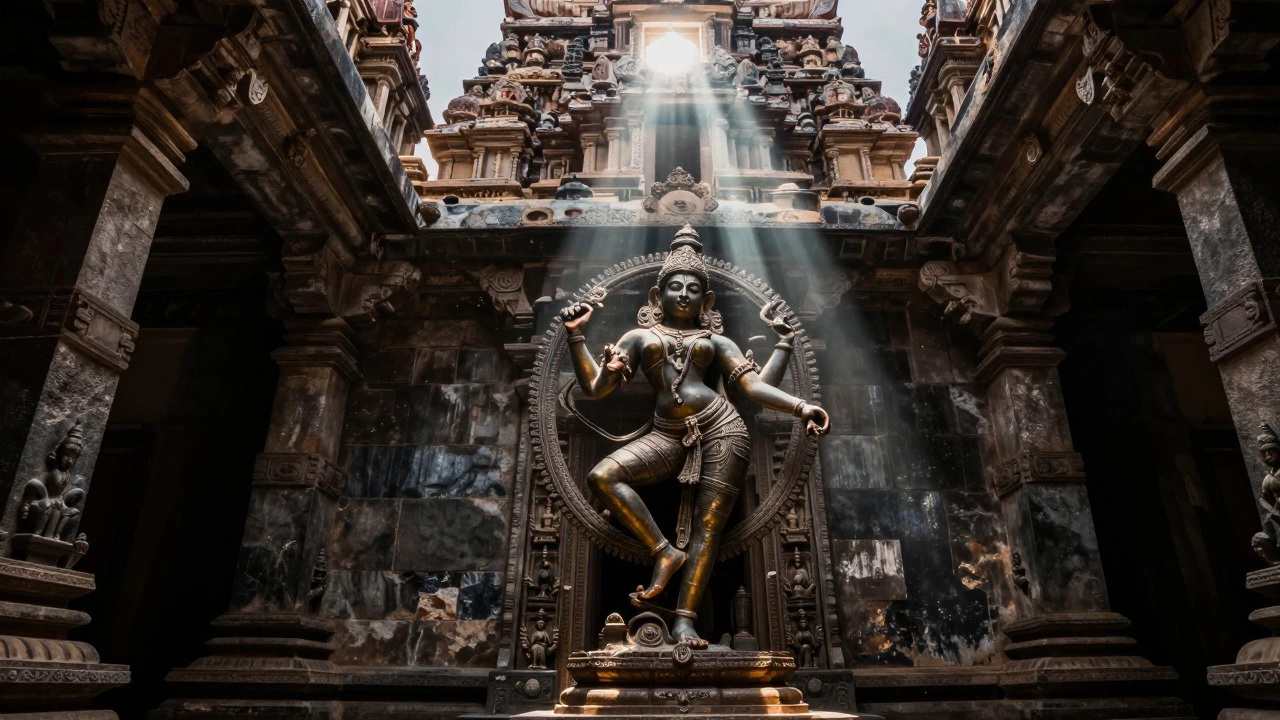
What makes this temple special for modern tourists is the sheer scale of the engineering. The base alone covers an area larger than many city squares. Inside, the Nataraja statue, depicting Shiva as the Lord of Dance, is considered one of the finest bronze sculptures in existence. The interplay of light and shadow within the sanctum creates a visual experience that photographs rarely capture accurately.
| Temple | Location | Primary Deity | Architectural Style | Height/Scale |
|---|---|---|---|---|
| Mahabodhi Temple | Bodh Gaya, Bihar | Buddha (Enlightenment) | Gupta/Monastic | 55m Tower |
| Brihadeeswarar Temple | Thanjavur, TN | Shiva | Chola Dravidian | 66m Vimana |
| Kailasa Temple | Ellora, Maharashtra | Shiva | Rashtrakuta Rock-cut | 30m Carved Depth |
| Vijay Stambha | Udaipur, Rajasthan | Vishnu | Hindu-Gothic | 70m Tower |
| Kedarnath Temple | Uttarakhand | Shiva | Nagara Wood/Stone | Mountain Altitude 3,583m |
| Sri Ranganathaswamy | Srirangam, TN | Vishnu | Venkataramana | Largest Complex (156 acres) |
Kailasa Temple: Carved from a Single Rock
In Ellora, Maharashtra, the Kailasa Temple challenges everything you think you know about construction. Built in the 8th century by King Krishna I, this structure was not assembled from blocks; it was carved top-down from a single basalt cliff. Imagine removing over 200,000 tons of rock to create a multi-story temple complex complete with elephants, lions, and intricate pillars.
For the visitor, Kailasa is a lesson in patience and precision. The layout mimics Mount Kailash, the abode of Lord Shiva. Walking through the central courtyard, you feel the weight of the ceiling above you, a constant reminder of the fragility of such a massive hollow space. It is one of the few places where you can stand inside a mountain and still be indoors. The acoustics are remarkable; a whisper at the entrance can be heard clearly at the far end of the corridor.
Vijay Stambha: The Victory Tower of Udaipur
Traveling north to Rajasthan, the landscape changes dramatically. In Udaipur, the Vijay Stambha, or Victory Tower, rises 70 meters against the backdrop of Lake Pichola. Built in the 15th century by Rana Kumbha, this tower commemorates his victory over the Sultanate of Malwa. Unlike the enclosed sanctums of the South, this structure is open-air, allowing the wind and sunlight to interact with the sandstone facade.
The architecture blends Hindu elements with subtle Islamic influences, reflecting the syncretic culture of medieval Rajasthan. Each of the five stories features balconies with intricate lattice work. Climbing the 92 steps to the top provides a panoramic view of the city's palaces and lakes. It is less about deep religious ritual here and more about appreciating the aesthetic grandeur of Rajput military power translated into stone.
Kedarnath Temple: The Pilgrimage at High Altitude
Some temples are destinations; others are journeys. The Kedarnath Temple in Uttarakhand is the latter. Located at 3,583 meters in the Himalayas, it is one of the twelve Jyotirlingas of Shiva. Access is limited to a short window each year (usually May to October) due to heavy snowfall. Reaching it requires a trek of approximately 16 kilometers from Gaurikund, though heli-tours are available for those with mobility issues.
The temple itself is simple compared to the ornate structures of the South. It is a small stone shrine with a copper roof, designed to withstand harsh mountain winds. The value here lies in the environment. The surrounding peaks, the sound of glacial streams, and the thin air create a sensory deprivation effect that enhances spiritual focus. It is a test of endurance as much as faith.
Sri Ranganathaswamy Temple: The Largest Active Temple
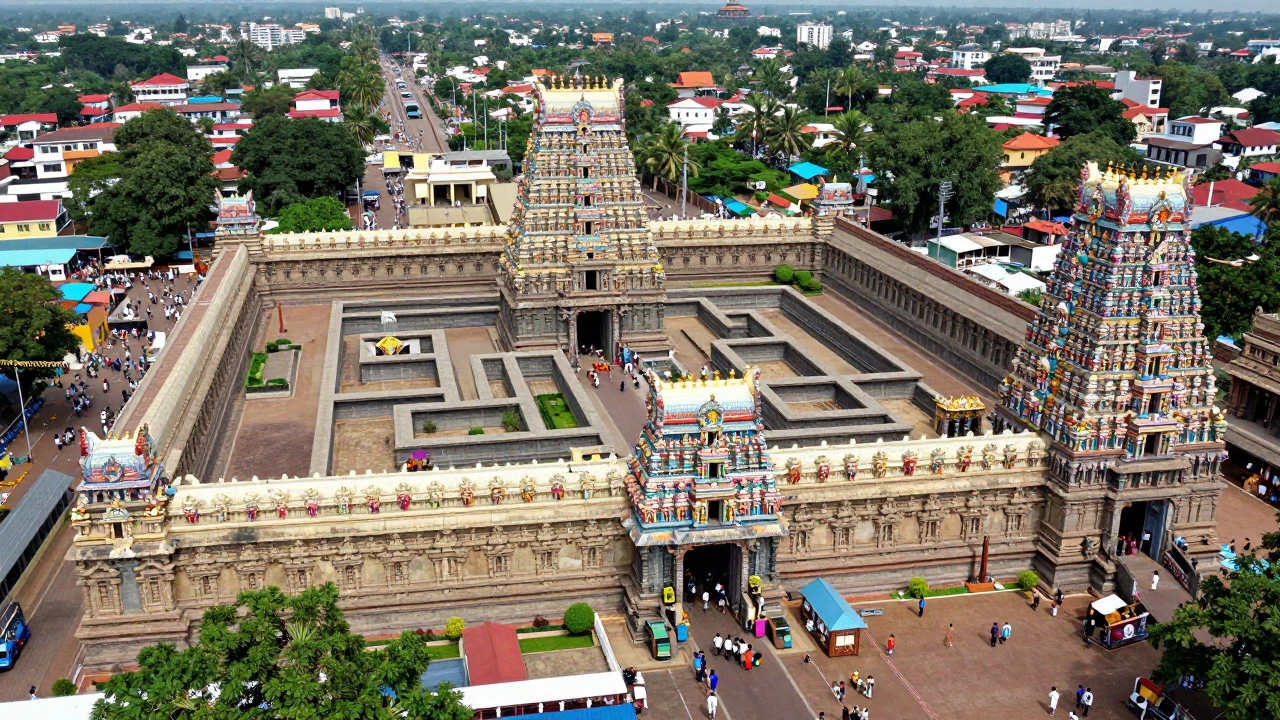
Finally, we arrive at Srirangam, Tamil Nadu, home to the Sri Ranganathaswamy Temple. Often cited as the largest active Hindu temple in the world, it covers an area of 156 acres. The complex consists of seven concentric walls, each with multiple gates, creating a labyrinthine entry sequence that gradually immerses the visitor in the sacred space.
Unlike the static monuments of the past, this temple is a bustling town within a town. Daily rituals, processions, and festivals occur continuously. The gopurams (gateway towers) are covered in colorful stucco figures, making them visually distinct from the stone structures of Thanjavur or Ellora. For those interested in living religion rather than archaeological preservation, Srirangam offers the most authentic glimpse into how temples function as community centers today.
Planning Your Temple Tour: Practical Tips
Visiting these sites requires more than just a map. Here are some practical considerations to enhance your experience:
- Dress Code Matters: Most temples require modest clothing. Men often need to remove shoes and wear dhotis or trousers; women may need to cover their shoulders. Check specific rules for each site, especially Kedarnath and Brihadeeswarar.
- Timing is Everything: Arrive early morning for the best light and fewer crowds. At Mahabodhi and Srirangam, late afternoon offers a dramatic sunset view.
- Local Guides vs. Self-Guided: For complex sites like Ellora or Srirangam, a local guide adds significant context. For simpler structures like Vijay Stambha, self-guided exploration is sufficient.
- Physical Fitness: Kedarnath demands good fitness. The other five sites are accessible but involve walking on uneven stone surfaces. Wear comfortable footwear.
These six temples represent the breadth of Indian spirituality. By visiting them, you aren't just seeing buildings; you are tracing the evolution of belief systems over two millennia. Whether you are drawn to the silence of the Himalayas or the vibrancy of Tamil Nadu, there is a place here that will leave a lasting impression.
Which is the oldest temple among these six?
The Mahabodhi Temple is generally considered the oldest, with origins dating back to the 3rd century BCE during the Maurya Empire, although it has been rebuilt and restored multiple times since then. The Kailasa Temple follows next, constructed in the 8th century CE.
Are all these temples open to non-Hindus?
Yes, all six temples welcome tourists of all faiths. However, dress codes and photography restrictions may vary. For example, photography is often prohibited inside the sanctum sanctorum of Brihadeeswarar and Kedarnath temples.
How many days do I need to visit all six temples?
A comprehensive tour covering all six locations would take at least 10-14 days due to geographical spread. Bodh Gaya, Thanjavur, and Srirangam can be grouped in a South/East India circuit. Ellora and Udaipur form a Central/North India loop. Kedarnath requires a separate northern Himalayan trip.
Is Kedarnath accessible by road?
Road access goes up to Gaurikund. From there, it is a 16km trek on foot. Heli-tours operate from Dehradun and Guwahati during the season, providing direct drop-offs near the temple for a fee.
What is the best time of year to visit these temples?
October to March is ideal for most sites, offering cooler temperatures. Avoid July and August for outdoor sites like Ellora and Udaipur due to monsoon rains. Kedarnath is only accessible between May and October.