Amtrak Sleeper Car Costs: What You'll Pay in 2026
 Nov, 10 2026
Amtrak Sleeper Cost Estimator & Value Calculator
You stare at the screen, heart sinking. The flight is $450, but it’s a red-eye that leaves you feeling like roadkill by morning. Then you see it: an Amtrak sleeper car ticket for Chicago to New York priced at $1,200. Your first thought isn't "how nice," it's "why so expensive?" Is it a rip-off, or are you missing something huge about what you're actually buying?
Here is the truth: comparing a sleeper car to a plane ticket is like comparing a hotel stay to a nap on a bus. They aren't the same product. But knowing exactly how much it costs-and why-helps you decide if the luxury is worth your wallet. Let's break down the real numbers for 2026, without the marketing fluff.
The Quick Answer: What Are You Actually Looking At?
If you want the bottom line before reading the fine print, here is the rough landscape for major routes like the Northeast Corridor or long-haul trips like the California Zephyr. Prices fluctuate wildly based on demand, just like airlines, but the baseline differences between classes are stark.
| Route Type | Roomette (1 Person) | Bedroom (1-2 People) | Suite (1-2 People) |
|---|---|---|---|
| Short Haul (e.g., NYC-Boston) | $180 - $250 | $250 - $350 | N/A |
| Mid-Haul (e.g., Chicago-St. Louis) | $300 - $450 | $400 - $550 | $500 - $700 |
| Long Haul (e.g., Chicago-NYC) | $600 - $900 | $800 - $1,200 | $1,100 - $1,600 |
| Cross-Country (e.g., Chicago-SF) | $1,200 - $1,800 | $1,600 - $2,200 | $2,000 - $2,800 |
Notice the spread? A cross-country trip can easily hit two grand per person. That sounds insane until you realize this price includes meals, drinks, and a bed. But let's dig into the specific car types because not all sleepers are created equal.
Decoding the Cars: Roomettes vs. Bedrooms vs. Suites
Amtrak doesn't just have one type of sleeper. They have three main tiers, plus accessible options. Understanding these is key to spending your money wisely.
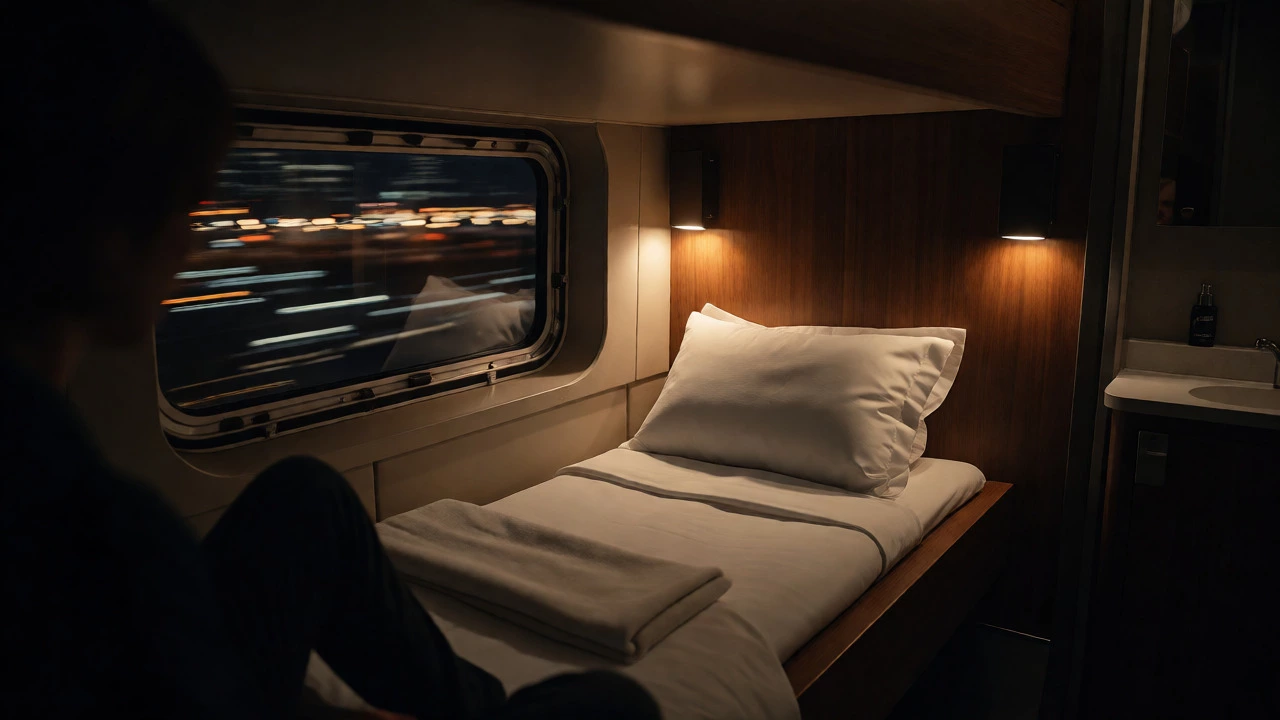
Roomettes are the entry-level private rooms. Think of them as cozy, compact pods. They fit one person comfortably. Two people can squeeze in, but it’s tight-you’ll be sitting knee-to-knee during the day. These are usually found in Superliner cars (double-decker) or Viewliner cars (single-decker). For solo travelers, this is often the best value. You get privacy, a small sink, and a fold-down bed. If you’re traveling with a partner who doesn’t mind close quarters, it’s cheaper than a bedroom, but you lose the ability to stand up fully while both of you are inside.
Bedrooms offer more breathing room. These feature a sofa that converts to a lower bunk and a separate upper bunk. Crucially, they have a full toilet and shower in most configurations (though some older cars might differ). This is the sweet spot for couples. You have space to move around, and the bathroom privacy makes a massive difference on a 24-hour trip. The price jump from a roomette to a bedroom is significant, but you’re paying for dignity and space.
Suites are the top tier. Found only on certain routes like the California Zephyr or Empire Builder, these include a private porch (in Superliners), a larger living area, and sometimes even a second TV. They are essentially mobile hotel suites. If budget isn’t your primary concern and you want the full romantic or luxury experience, this is where you book. Expect to pay a premium-often double the cost of a roomette.
What’s Included in That Sticker Price?
This is where the math changes. When you buy a coach seat on Amtrak, you get a seat and maybe a snack bar voucher. When you buy a sleeper, you get a service package that rivals a boutique hotel.
- Dining: All meals are included. Breakfast, lunch, and dinner are served in the Dining Car. You don’t need to bring food or pay extra unless you order premium alcohol or special items.
- Lounge Access: Before boarding, you get access to exclusive waiting lounges at major stations like Union Station in LA or Penn Station in NYC. Free coffee, Wi-Fi, and sometimes snacks.
- Priority Boarding: You board first. No fighting for overhead bin space or dealing with the crush of the general crowd.
- Attendant Service: A dedicated attendant manages your car, helps with bags, and ensures you wake up for stops.
If you add up the cost of three meals ($60/day), lounge access ($20/day), and tips for staff ($15-$20/day), the sleeper fare starts looking less outrageous. On a three-day trip, that’s nearly $300 in value right there.
Why Do Prices Swing So Wildly?
You might find a Chicago-to-Denver trip for $400 one week and $700 the next. It’s not random. Amtrak uses dynamic pricing similar to airlines.
Seasonality matters. Summer trips to national parks (like the route to Glacier National Park) spike in price. Holiday weekends (Thanksgiving, Christmas) are peak times. Traveling in January or February often yields the lowest rates.
Lead time is critical. Booking six months out secures the base fare. Booking three weeks out might mean paying surge pricing. However, last-minute deals do exist if the train is empty, but relying on them is risky.
Route popularity drives cost. The Adirondack (NYC to Montreal) is scenic but shorter, so prices are lower. The Southwest Chief (Chicago to LA) is a marathon, so the base price is higher due to fuel, labor, and duration.
Is It Worth It? A Cost-Benefit Analysis
Let’s compare a sleeper car against flying plus a hotel for a typical 2-day journey, say Chicago to Seattle.
| Expense Item | Amtrak Sleeper (1 Person) | Flying + Hotel (1 Person) |
|---|---|---|
| Ticket/Transport | $1,400 (Sleeper) | $600 (Flight) |
| Accommodation | Included | $250 (1 Night Hotel) |
| Meals | Included | $150 (Food over 2 days) |
| Ground Transport | Included (Station to Station) | $100 (Taxis/Rideshare) |
| Total Estimated Cost | $1,400 | $1,100 |
On paper, flying looks cheaper. But look closer. The flight takes 4 hours plus airport hassle. The train takes 3 days. You are paying for the experience of seeing the Great Plains roll by, sleeping in a moving bed, and avoiding the stress of security lines. If you value time, fly. If you value experience and comfort, the sleeper wins. For many, the extra $300 is a fair trade for avoiding jet lag and enjoying the scenery.
Pro Tips to Save Money on Sleeper Tickets
You don’t have to pay full retail. Here is how savvy travelers cut costs.
- Book Early: Set a reminder 11 months out when schedules open. Early birds get the cheapest fares.
- Use Rail Passes: If you are doing multiple trips, the USA Rail Pass allows you to take segments of travel. While it doesn’t always cover the full sleeper upgrade cost, it reduces the base fare significantly.
- Travel Solo in a Roomette: If you are alone, skip the bedroom. The roomette is sufficient for sleeping and working. Save the $200+ difference.
- Check for Sales: Amtrak frequently runs "Flash Sales" offering 30-50% off advance purchases. Sign up for their email list.
- Consider Coach Plus: If sleeper prices are astronomical, consider booking Coach but upgrading to "Coach Plus" or bringing high-quality noise-canceling headphones and a neck pillow. It’s not the same, but it’s a fraction of the cost.
Final Verdict
Riding in an Amtrak sleeper car is an investment. In 2026, expect to pay anywhere from $500 for a short regional hop to over $2,000 for a cross-country suite. It’s rarely the cheapest option compared to driving or flying. But if you treat the train ride as part of the vacation-not just transit-the cost becomes justified. You aren’t just buying a seat; you’re buying time, comfort, and a front-row seat to America’s landscapes.
Can I sleep comfortably in a Roomette?
Yes, for solo travelers. The bed is narrow but adequate for sleeping. The main drawback is lack of standing space. If you are tall or claustrophobic, a Bedroom is better.
Do I need to tip my Amtrak attendant?
Yes, tipping is customary. A common guideline is $10-$15 per day per passenger for the attendant, plus additional tips for dining car staff if service was excellent.
Is Wi-Fi free in sleeper cars?
Wi-Fi is available in sleeper cars, but reliability varies greatly depending on the route. Rural areas may have spotty connections. It is generally faster than in Coach, but don't expect streaming speeds everywhere.
Are pets allowed in sleeper cars?
No. Pets are generally restricted to Coach class and must remain in carriers under the seat. They are not permitted in sleeper accommodations due to hygiene and allergy concerns for other passengers.
How far in advance should I book a sleeper car?
For the best prices and availability, book 3 to 6 months in advance. Sleeper cars sell out quickly on popular routes like the Coast Starlight or Empire Builder, especially during summer.