Are Bananas Safe to Eat in India? A Traveler’s Guide to Fruit Safety
 Jan, 23 2026
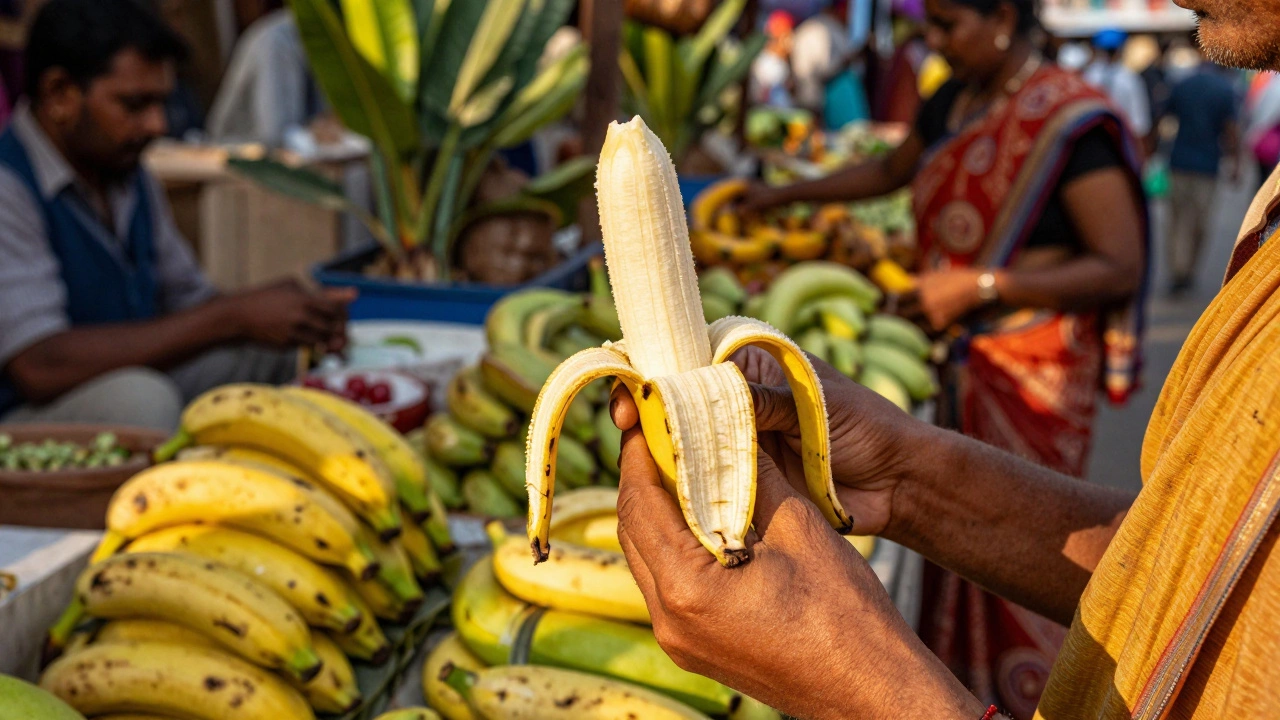
Every year, thousands of travelers arrive in India excited to try local fruits-and then freeze at the sight of a banana. Is it clean? Was it washed? Did someone touch it with dirty hands? You’ve probably heard stories: "Don’t eat fruit in India," or "Bananas will wreck your stomach." But here’s the truth: bananas are not just safe to eat in India-they’re one of the safest fruits you can grab on the go.
Why Bananas Are Different from Other Fruits
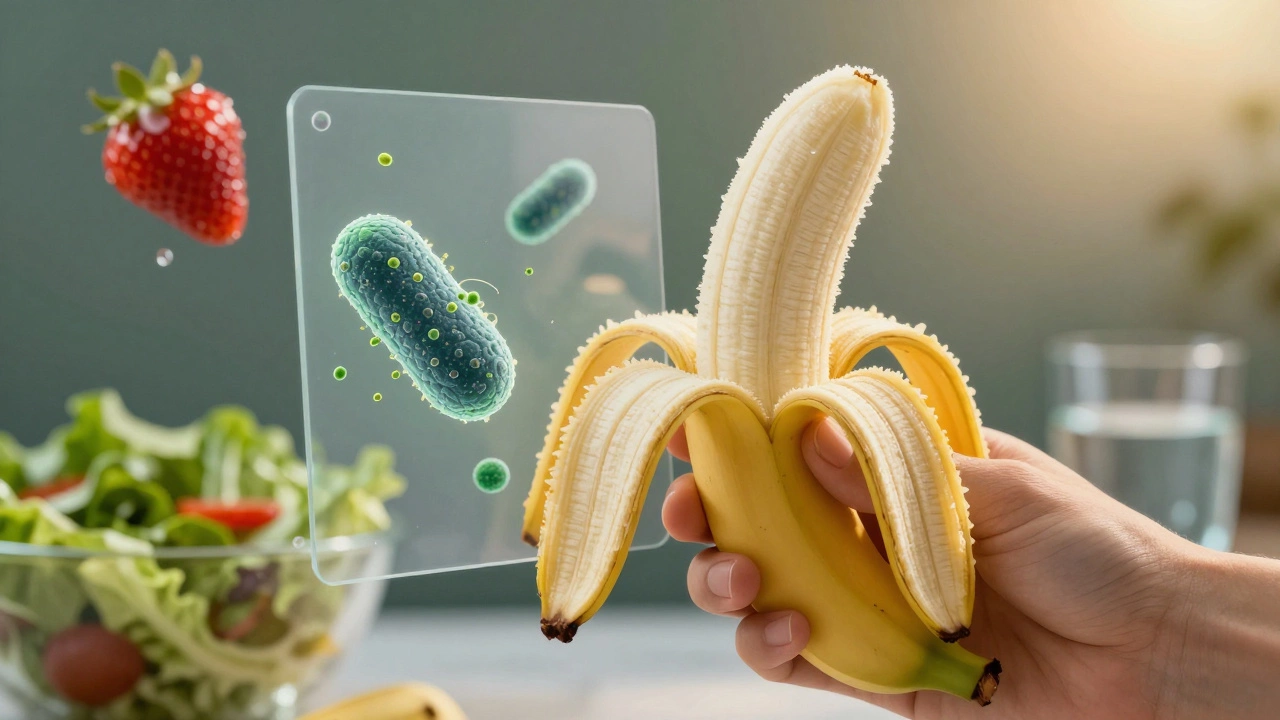
Not all fruits are created equal when it comes to safety. Strawberries, grapes, and apples? They need washing. Berries? They’re tricky. But bananas? They come with their own built-in packaging. The peel acts as a barrier. Unless you’re peeling it with dirty fingers or eating it right after touching a street vendor’s counter without washing your hands, the fruit inside stays untouched by dirt, bacteria, or contaminants.
In India, bananas are sold by the bunch, often wrapped in leaves or plastic. Vendors rarely handle the fruit directly. They grab the stem. You grab the banana. You peel it. You eat it. No cutting. No rinsing. No prep. That’s why street vendors in Mumbai, Delhi, or Jaipur will happily sell you a banana without hesitation. They know it’s one of the few fruits you can eat without worry.
What Makes Bananas Safe in India?
It’s not magic-it’s biology and culture. Bananas grow in tropical climates like India’s, and they’re harvested green. They ripen naturally after picking. Unlike apples or oranges that sit in storage for weeks, Indian bananas go from tree to market in days. Most are grown locally, especially in states like Tamil Nadu, Kerala, Maharashtra, and Uttar Pradesh. No long-haul shipping. No refrigerated containers. No wax coatings. Just pure, natural fruit.
Also, Indians eat bananas daily. Not just as a snack. They’re used in curries, desserts, fried as fritters, blended into smoothies, and even offered in temples. If bananas were dangerous, you’d see a lot more people getting sick. But you don’t. Tourists who eat bananas regularly in India rarely report issues. The real culprits behind traveler’s stomach problems? Tap water, undercooked meat, raw salads, and unpeeled fruits that require washing.
What About Pesticides and Chemicals?
It’s a fair concern. India does use pesticides. But bananas are among the least sprayed fruits. Why? Because the peel protects the fruit. Farmers don’t need to douse the fruit itself-just the leaves and stems. And even then, most small-scale farms in rural India rely on traditional methods. Large plantations might use chemicals, but those bananas are usually exported, not sold locally.
Studies from the Indian Council of Medical Research show that pesticide residues on bananas are consistently below safety limits set by the Food Safety and Standards Authority of India (FSSAI). In fact, bananas rank among the top 5 fruits in India with the lowest pesticide levels, according to their 2024 annual report. The peel acts like a filter. Even if there’s trace residue on the outside, it doesn’t get inside.
Real Traveler Experiences
Ask any long-term traveler in India. Most will tell you the same thing: bananas were the first fruit they trusted. One backpacker from Canada spent six months traveling across India. She ate a banana every day. She got sick once-but it was from a roadside curry that had been sitting out in the heat for hours. Not the banana.
Another traveler from Germany, who runs a food blog focused on Indian street eats, says he’s never had a bad reaction from a banana. He even taught his 7-year-old daughter to peel and eat them in train stations and markets. "If you can’t trust a banana in India," he wrote, "you shouldn’t be eating anything."
When to Be Cautious
That doesn’t mean you should be reckless. There are two situations where bananas might become risky:
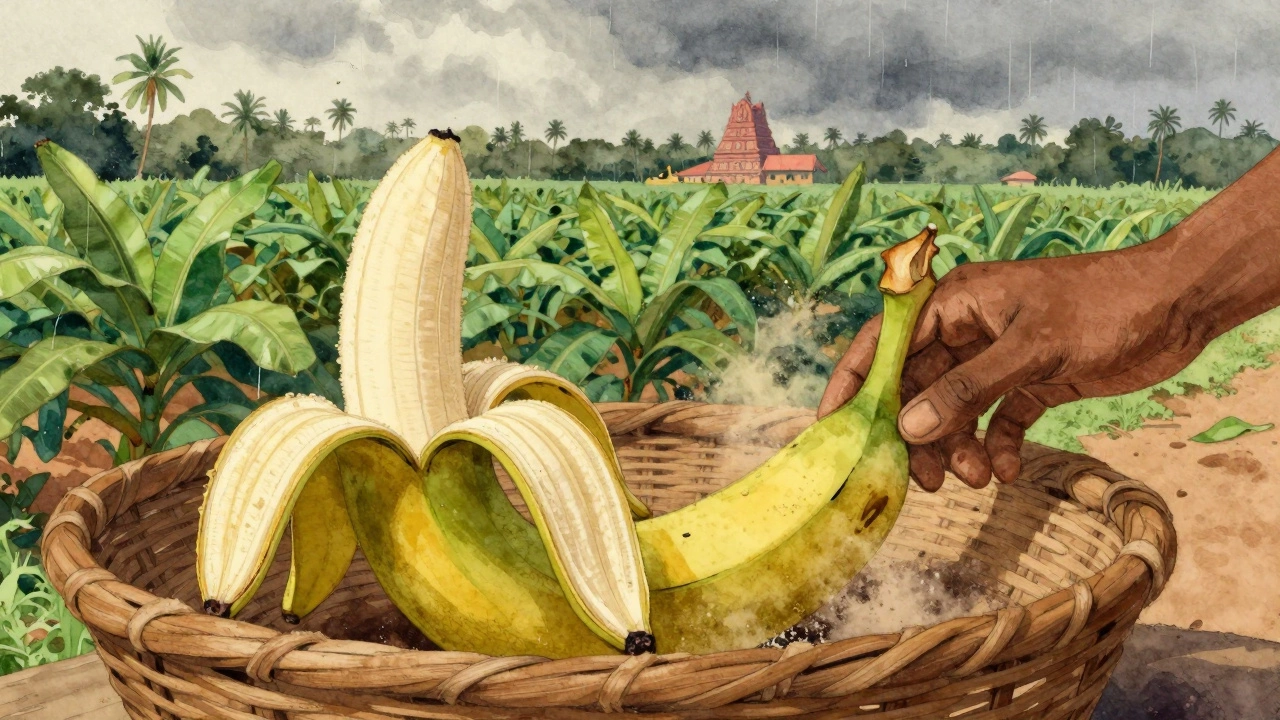
- If the peel is visibly dirty or damaged. If it’s covered in dust, mud, or has brown spots leaking juice, skip it. That’s not about the inside-it’s about contamination on the surface you’re touching before peeling.
- If you’re eating it after touching something unclean. Wash your hands with soap and water before peeling. If soap isn’t available, use hand sanitizer and let it dry completely. Then peel with clean fingers.
Also, avoid pre-peeled bananas sold in plastic containers. These are often stored at room temperature and can harbor bacteria. Stick to whole, unpeeled bananas. The peel is your best friend.
How to Eat Bananas Like a Local
Locals don’t overthink it. Here’s how to do it right:
- Buy bananas from busy stalls-high turnover means fresher fruit.
- Choose yellow bananas with a few brown speckles. That’s ripeness, not spoilage.
- Peel it right before eating. Don’t peel it early and leave it out.
- Don’t eat the very end of the banana. The tip can be tougher and sometimes has a bitter taste.
- Throw the peel in a trash bin. Don’t litter. It’s disrespectful and attracts flies.
In South India, people often eat bananas with a pinch of salt or a drizzle of honey. In North India, you’ll find them fried in ghee and served as a sweet snack. In Kerala, they’re mashed into a curry with coconut. These aren’t exotic treats-they’re everyday meals. And no one gets sick from them.
Bananas vs. Other Fruits: A Quick Safety Guide
| Fruit | Safe to Eat Without Washing? | Why |
|---|---|---|
| Banana | Yes | Thick peel blocks contaminants. No cutting required. |
| Orange | Yes, if peeled | Peel protects fruit. Wash hands before peeling. |
| Apple | No | Often waxed. Needs thorough washing. |
| Strawberry | No | Hard to clean. Holds dirt and bacteria in crevices. |
| Mango | Only if peeled | Peel can carry bacteria. Always peel with clean hands. |
| Coconut | Yes, if bought fresh | Water inside is sterile. Flesh is protected by hard shell. |
What to Do If You Get Sick
Even if you do everything right, your body might react. That’s normal. Your gut isn’t used to the microbes in local food. It’s not the banana-it’s your system adjusting.
Most cases of traveler’s diarrhea in India are mild and last less than 48 hours. Drink plenty of water. Avoid dairy and caffeine. Stick to rice, toast, and bananas (yes, even when you’re sick-bananas are part of the BRAT diet). Carry oral rehydration salts. They’re sold everywhere in India, even in small villages.
If symptoms last longer than three days, or if you have a fever, bloody stool, or severe cramps, see a doctor. But again-chances are, it wasn’t the banana.
Final Verdict: Yes, Bananas Are Safe
There’s no need to fear bananas in India. They’re one of the most reliable, affordable, and nutritious snacks you can find. From the bustling markets of Delhi to the quiet beaches of Goa, you’ll see locals, children, and tourists eating them without a second thought.
The real danger isn’t the fruit. It’s misinformation. Don’t let fear stop you from experiencing the simple joy of a ripe, sweet banana under an Indian sun. Peel it. Eat it. Enjoy it. That’s what millions of Indians do every day-and they’re still standing.
Are bananas in India sprayed with pesticides?
Yes, some bananas in India are sprayed with pesticides, but mostly on the leaves and stems, not the fruit itself. The peel acts as a barrier, and according to the Food Safety and Standards Authority of India (FSSAI), banana pesticide levels are consistently below safety limits. Bananas rank among the safest fruits in terms of chemical residue.
Can I eat bananas from street vendors in India?
Absolutely. Street vendors rarely touch the fruit directly-they handle the stem. The peel protects the edible part. Just make sure your hands are clean before peeling. Avoid bananas with dirty or damaged peels. Busy stalls with high turnover are your best bet for freshness.
Do I need to wash a banana before eating it in India?
No, you don’t need to wash the banana itself. The peel keeps the fruit inside clean. But you should wash or sanitize your hands before peeling it. Washing the peel won’t help much-it’s the dirt on your fingers that can transfer to the fruit as you peel.
Why do people say fruit is unsafe in India?
People confuse all fruits. The real risks come from fruits that require washing-like apples, grapes, or strawberries-because they’re eaten raw without a peel. Also, uncooked salads, tap water, and undercooked food are far more likely to cause stomach issues. Bananas, with their natural protective layer, are one of the safest options.
Are organic bananas better in India?
Organic bananas exist in India, especially in Kerala and Maharashtra, but they’re not necessary for safety. Regular bananas are already low in pesticide residue thanks to their peel. Organic ones may cost more and aren’t more common in markets. For travelers, regular bananas are perfectly safe and more widely available.
If you're traveling through India and want to snack smart, reach for a banana. It’s cheap, filling, delicious, and one of the few fruits you can eat without worry. Your stomach will thank you.