Best Month to Visit Northern India: A Complete Seasonal Guide
 Nov, 3 2026
Northern India Travel Planner
Select your destination and interest to find the optimal travel window.
Recommended Window
Based on your selection
Weather & Conditions
Pros & Cons
Expert Tips
Month-by-Month Suitability
Planning a trip to Northern India is less about picking a single date and more about understanding which version of the region you want to see. Do you want the golden dunes of Rajasthan under a blazing sun? Or do you prefer the misty pine forests of Himachal Pradesh before the monsoon hits? The answer changes depending on whether you are chasing festivals, wildlife, or clear mountain views.
Most travelers assume October is the only "good" time. That’s true for the plains, but it’s misleading if you’re heading into the high Himalayas. This guide breaks down exactly when to go based on your specific itinerary, not just general advice.
The Short Answer: When Should You Go?
| Region | Best Months | Avoid If... | Key Highlight |
|---|---|---|---|
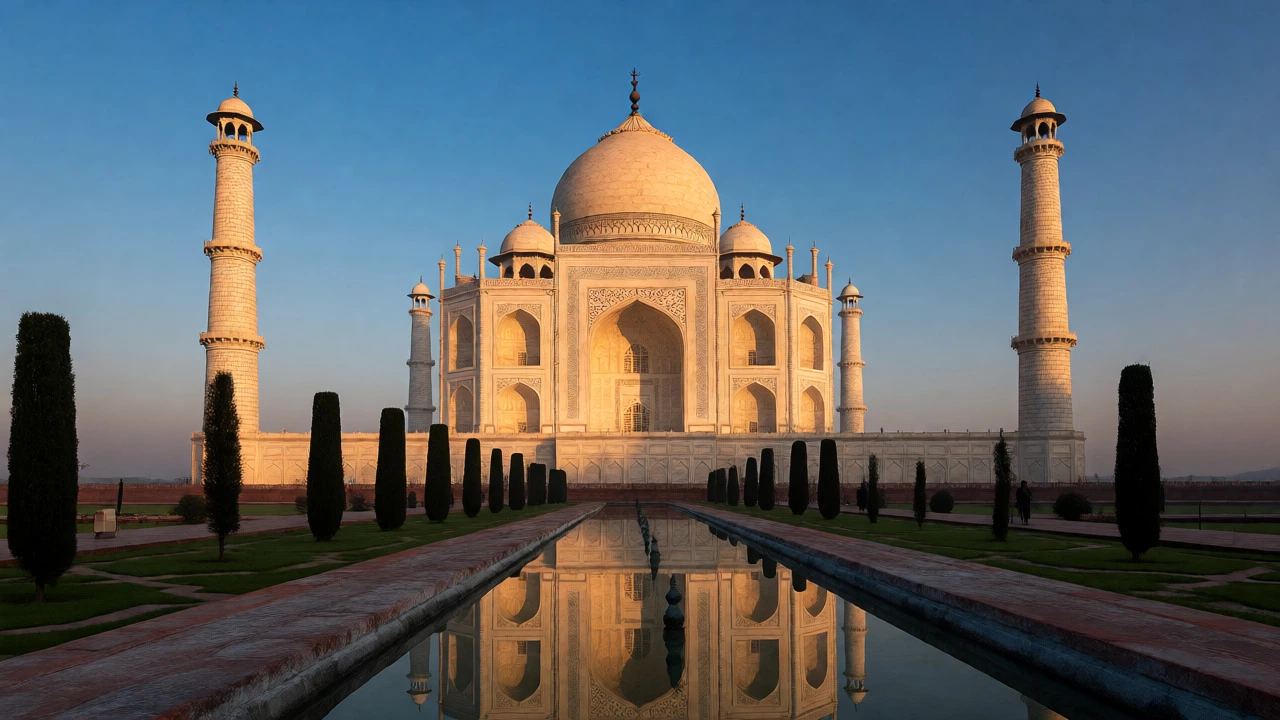
| Delhi & Agra (Golden Triangle) | Oct - Mar | You hate cold mornings | Taj Mahal at sunrise |
| Rajasthan (Jaipur, Jaisalmer) | Nov - Feb | You dislike dust storms | Desert camps & forts |
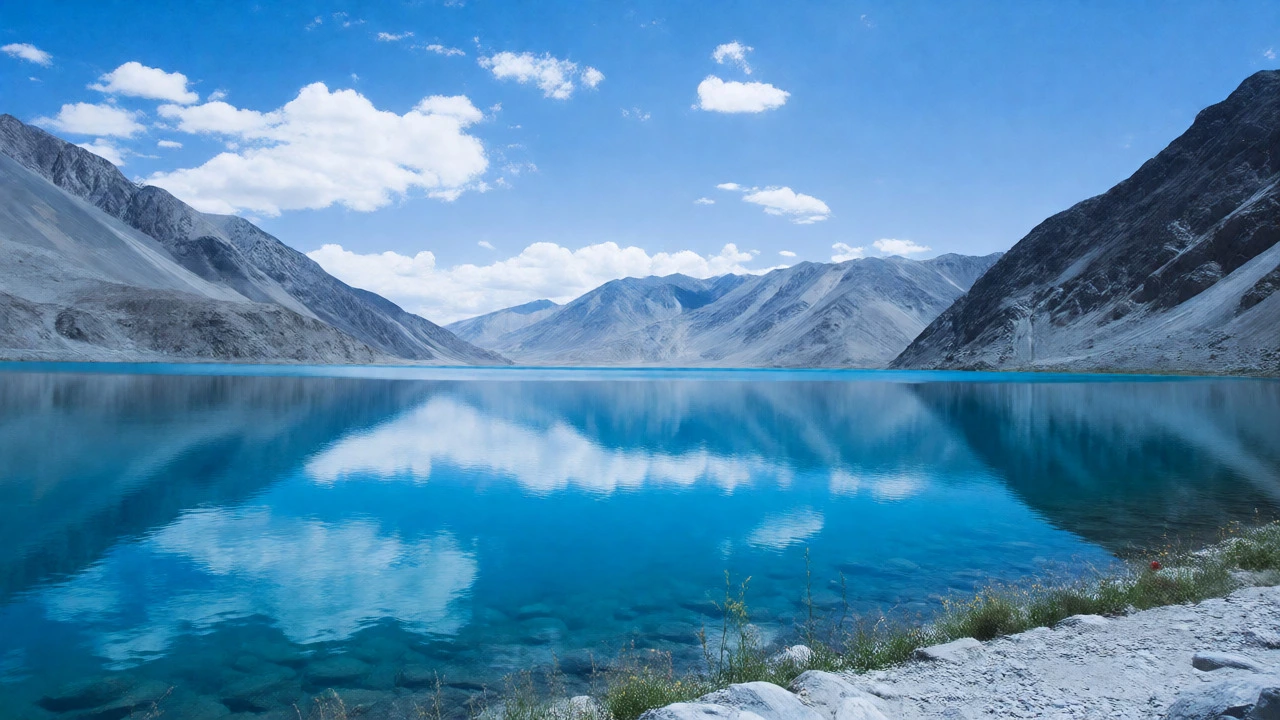
| Himalayas (Ladakh, Spiti) | Jun - Sep | You fear altitude sickness | Pangong Lake clarity |
| Uttarakhand (Rishikesh, Mussoorie) | Mar - May, Sep - Nov | You want river rafting in rain | Ganges water sports |
October to March: The Peak Season for Plains
If your itinerary includes New Delhi, Agra, and Jaipur, this window is non-negotiable. Why? Because April through June in these cities is brutal. Temperatures regularly hit 45°C (113°F). Walking around the Red Fort or the Amber Fort becomes a survival exercise rather than a cultural experience.
From November to February, the weather cools down significantly. Daytime highs hover between 18°C and 25°C (64°F-77°F), which is perfect for exploring open-air monuments. However, there is a catch that many first-time visitors ignore: fog.
In late December and January, dense smog and natural fog roll into the Indo-Gangetic plain. Flights into Delhi often get delayed, and visibility at the Taj Mahal can drop to zero. If seeing the Taj Mahal clearly is your top priority, aim for early November or late February. These months offer the sweet spot of mild temperatures and clear skies without the winter haze.
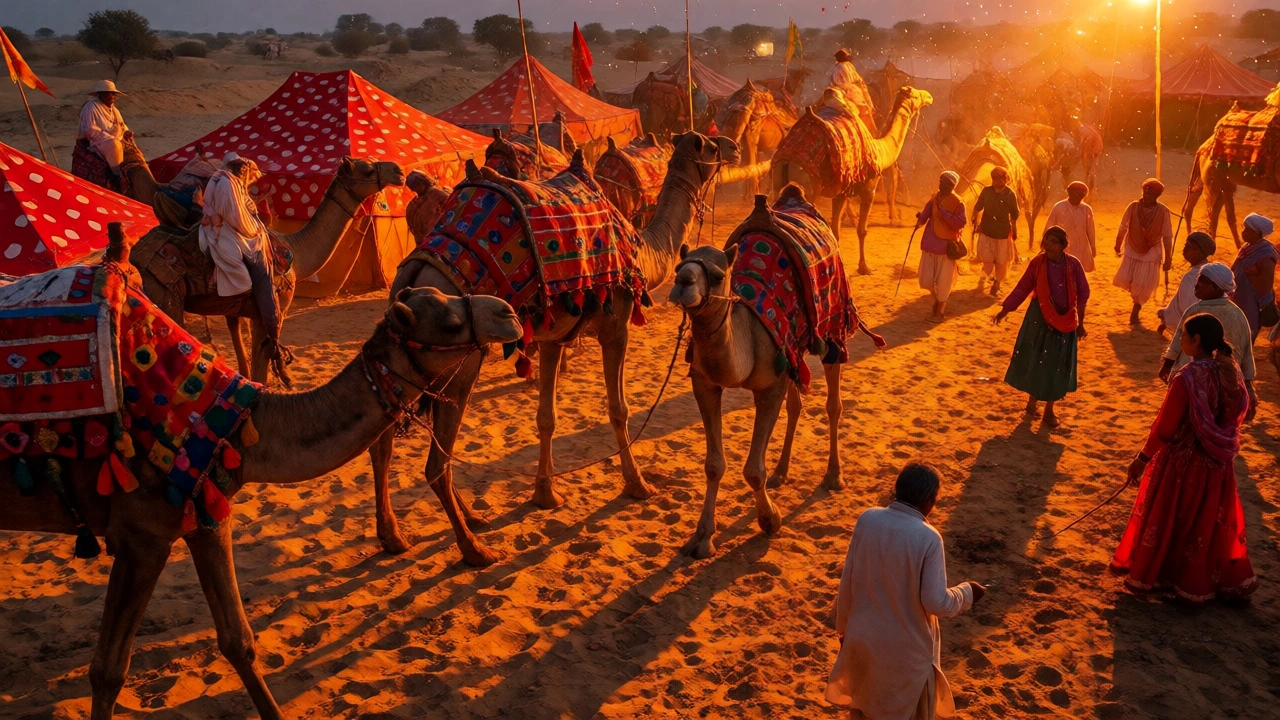
Festivals also peak during this period. Diwali usually falls in October or November, turning Jaipur and Varanasi into spectacles of light. Pushkar Camel Fair happens in November, offering a unique look at rural Rajasthan culture. If you want crowds and energy, book early-hotels in Jaipur sell out six months in advance for these dates.
April to June: Pre-Monsoon Chaos and Mountain Escapes
Don’t write off spring entirely. While the plains heat up, the foothills start waking up. Places like Shimla, Manali, and Nainital become accessible as snow melts from higher passes. For trekkers, this is the beginning of the season for lower-altitude trails in Uttarakhand.
However, if you stick to the Golden Triangle, prepare for dust storms. In May, hot winds called "loo" sweep across North India, carrying fine sand that can irritate eyes and lungs. It’s not impossible to visit, but you need to plan indoor activities for midday and explore early morning or late evening.
One exception is Ladakh. By May, roads like the Manali-Leh Highway begin to open, though they remain risky due to residual snow. Early May sees very few tourists, making it ideal for those who want solitude over comfort. Facilities may be limited, and some guesthouses won’t open until June.
July to September: Monsoon Magic in the Hills
Many people avoid July and August because they think rain ruins everything. In Northern India, this is half-true. The plains, especially Delhi and Lucknow, become humid and swampy. Mosquitoes thrive, and outdoor sightseeing gets uncomfortable quickly.
But head north to the Himalayas, and the story flips. The Western Ghats effect doesn’t apply here; instead, the Himalayas act as a barrier. While the southern slopes get heavy rain, the trans-Himalayan regions like Ladakh and Spiti Valley sit in a rain shadow. They receive minimal rainfall, making them dry and sunny even in peak monsoon.
This makes July and August the best time for high-altitude trekking. Trails in Hemis National Park or the Pin Valley National Park are green, rivers are full, and wildflowers bloom. Just remember: road closures happen. Landslides frequently block highways connecting Leh to Srinagar or Manali. Always check live road status before booking flights.
Rishikesh offers another angle. The Ganges River swells during monsoon, creating powerful rapids. Adventure seekers love this period for white-water rafting, provided they wear proper safety gear. But note: swimming is prohibited in many ghats due to strong currents.
Regional Breakdown: Tailoring Your Trip
Since Northern India covers diverse geography, treating it as one destination leads to bad planning. Here is how to adjust your timing based on where you actually want to go.
Rajasthan: Desert Heat vs. Cultural Vibrancy
Rajasthan is vast. Jaisalmer and Bikaner are desert zones, while Mount Abu is a hill station. If you are visiting Jaisalmer, avoid summer completely. Sand heats up enough to burn bare feet. Winter nights in the Thar Desert can drop to 5°C (41°F), so pack layers. If you want to attend the Desert Festival in Jaisalmer, mark your calendar for February.
Ladakh: Accessibility Matters Most
Ladakh isn’t open year-round. The Zoji La pass closes in winter, cutting off access from Srinagar. The Rohtang Pass closes too, blocking the route from Manali. Therefore, June to September is the only realistic window for most tourists. October brings stunning autumn colors, with poplar trees turning gold against blue lakes. But nights become freezing, and many hotels shut down after mid-October.
Uttarakhand: Spiritual and Adventure Balance
For yoga retreats in Rishikesh, avoid the monsoon if you plan to meditate outdoors-the humidity makes sitting still difficult. Instead, choose March or October. For trekking to Kedarnath or Badrinath, the temple doors open in late April and close in November. Outside these dates, the shrines are inaccessible regardless of weather conditions.
Practical Tips for Timing Your Visit
- Book Flights Early: Domestic fares to Delhi and Leh spike during holidays like Diwali and Christmas. Lock in tickets three months ahead.
- Pack for Layers: Even in summer, mountain areas cool down rapidly after sunset. A fleece jacket is essential year-round for Himalayan trips.
- Check Air Quality Index (AQI): In Delhi, AQI levels plummet in November. If you have respiratory issues, consider starting your trip in Mumbai or Goa before flying to Delhi later in the day.
- Visa Processing: Apply for an e-Tourist Visa at least two weeks before departure. During peak season, processing times can extend unexpectedly.
Common Pitfalls to Avoid
Travelers often make two major mistakes regarding timing. First, they underestimate the cold. Many assume "India is hot," then arrive in Agra in January wearing shorts and shivering all day. Second, they overestimate accessibility. Seeing photos of Pangong Lake in winter looks tempting, but the lake freezes solid, and access roads are often closed. Don’t rely solely on Instagram aesthetics; check local travel forums for current road conditions.
Another trap is ignoring local holidays. Government offices, banks, and some shops close during national festivals. If you need to exchange money or buy SIM cards, do it before holiday weekends.
Is it safe to visit Northern India in summer?
It is safe, but physically demanding. Temperatures in Delhi and Rajasthan exceed 40°C (104°F). Hydration is critical. Stick to air-conditioned transport and limit outdoor activity to early mornings and evenings. Mountain destinations remain comfortable.
Can I visit Ladakh in December?
Yes, but only by air. Road routes are closed due to heavy snow. Flight schedules depend heavily on weather, so delays are common. Most tourist facilities close, and temperatures drop below -10°C (14°F).
Which month has the worst air quality in Delhi?
November typically records the highest pollution levels due to crop burning in neighboring states combined with low wind speeds. October and December are slightly better but still poor. March to May generally offers cleaner air.
Is monsoon season good for photography?
In the hills, yes. Clouds create dramatic lighting, and landscapes turn lush green. In the plains, no. Overcast skies flatten images, and rain ruins outdoor shoots. Plan accordingly based on your location.
Do I need special permits for Northern India?
Foreign nationals need Protected Area Permits (PAP) for certain parts of Himachal Pradesh, Uttarakhand, and Ladakh. Indian citizens usually don’t, except for specific border areas. Check current regulations before traveling.