Best Time to Visit North India: Weather, Crowds, and Local Events
 Jan, 16 2026
North India Travel Season Calculator
Select Your Preferences
Best Time for You
North India isn’t just one place-it’s a mosaic of deserts, mountains, ancient cities, and sacred rivers. You can stand in the shadow of the Taj Mahal in Agra, ride a camel through the Thar Desert in Rajasthan, hike to a Himalayan monastery in Uttarakhand, or float down the Ganges in Varanasi. But if you show up at the wrong time, you’ll be sweating through 45°C heat, choking on winter smog, or stuck in a crowd so thick you can’t even see the monument you came for. So when is the best time to visit North India? The answer isn’t one month. It’s three windows-and knowing which one fits your trip.
October to March: The Sweet Spot for Most Travelers
This six-month stretch is the goldilocks zone for visiting North India. Temperatures hover between 10°C and 28°C, skies are mostly clear, and the air feels clean after the monsoon washes away the dust. It’s when locals breathe easier, and tourists finally stop sweating through their shirts.
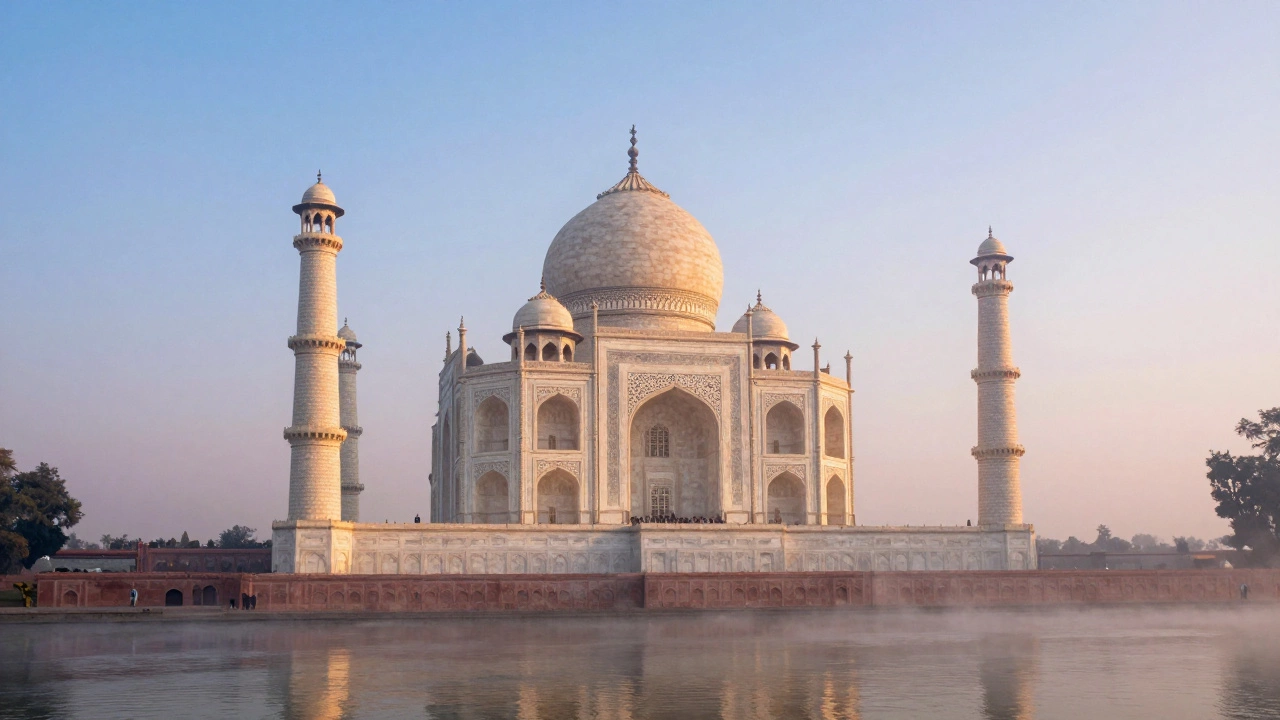
October and November are quiet and cool. The monsoon has just ended, fields are green, and the air smells like wet earth. This is the best time for heritage sites like Fatehpur Sikri or the forts of Jaipur. You’ll find fewer crowds, lower hotel rates, and guides who actually have time to answer your questions. In December, the chill rolls in-especially in Delhi and Agra. Mornings drop to 5°C, but by noon, the sun warms things up enough to explore without a jacket. That’s when the Taj Mahal looks its best: soft light, no haze, and the marble glows white.
January and February are the coldest months, especially in the Himalayan foothills. But that’s exactly why people go to Shimla, Mussoorie, or Nainital. Snow dusts the hills, and the air is crisp. If you’re looking for a winter escape that’s not in the Alps, this is it. In the plains, it’s still pleasant during the day. You can walk through the narrow lanes of Old Delhi without feeling like you’re in a sauna.
March brings the first real warmth. By late March, temperatures climb past 30°C in cities like Jaipur and Udaipur. But it’s still manageable. This is also when Holi, the festival of colors, happens-usually in late February or March. It’s chaotic, joyful, and unforgettable. If you want to be part of it, book everything three months ahead. Hotels fill up fast, and flights double in price.
April to June: Heat, Dust, and Fewer Tourists
If you think North India is hot in summer, you haven’t been to Rajasthan in May. Temperatures regularly hit 45°C. The sun beats down like a hammer. Dust storms roll in without warning. Air conditioning becomes a necessity, not a luxury. In Delhi, the heat index often climbs above 50°C. This isn’t just uncomfortable-it’s dangerous for travelers not used to it.
So why go? Because the crowds vanish. You can walk through the Amber Fort in Jaipur with no one around. You can sit in the courtyard of the Red Fort in Delhi and hear only birds. Hotels drop prices by 40-60%. If you’re a photographer, this is your chance to capture empty temples and quiet ghats. Just plan smart: start your day at 6 a.m., rest from noon to 4 p.m., and go out again after sunset. Carry electrolytes. Wear a wide-brimmed hat. Drink only bottled water. And never, ever skip sunscreen.
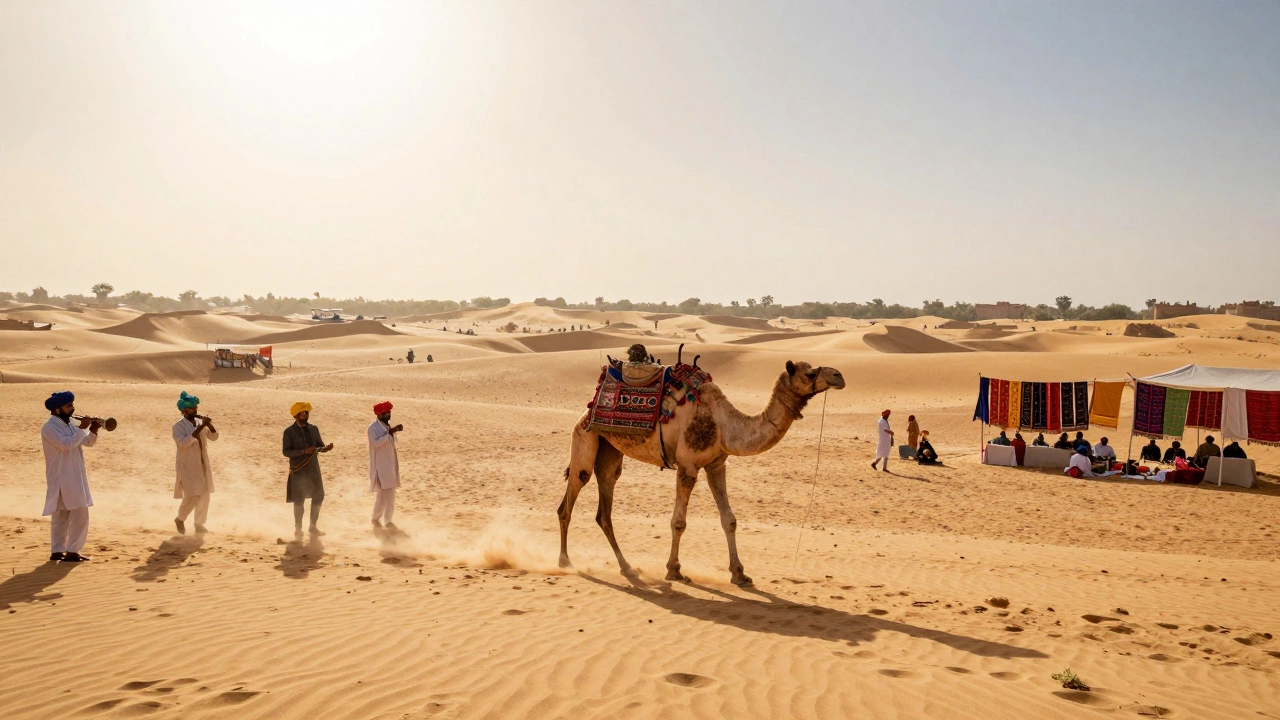
Some travelers come for the desert festivals. The Pushkar Camel Fair happens in November, but smaller fairs in Bikaner and Jaisalmer run through April and May. They’re less touristy, more local. You’ll see camel races, folk music, and traders selling handwoven textiles-without the selfie sticks.
July to September: Monsoon Magic and Hidden Gems
Most guidebooks tell you to avoid North India during the monsoon. They’re wrong. If you’re flexible, this is when the region transforms.
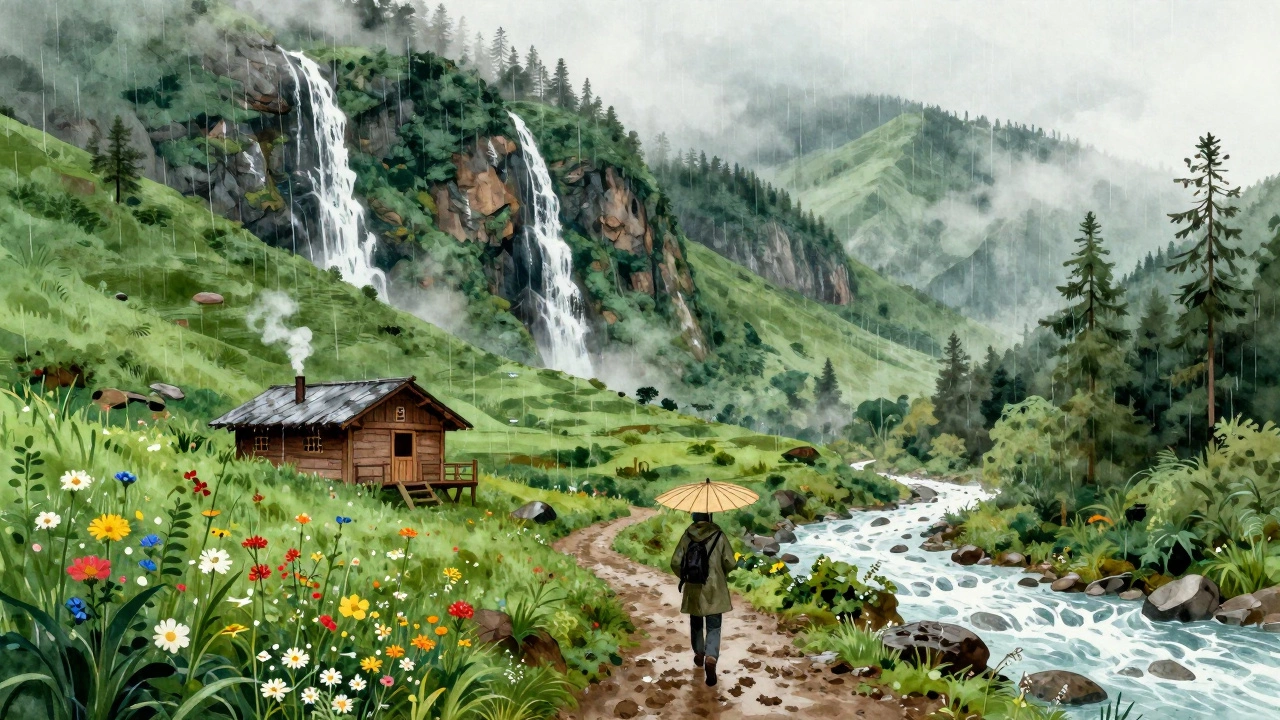
The rains arrive in late June and last through August. Delhi gets soaked. The roads flood. But in the Himalayas-especially in Himachal Pradesh and Uttarakhand-the rain turns everything lush. Waterfalls roar down cliffs. Rivers swell with glacial melt. The air smells like pine and wet stone. Places like McLeod Ganj, Rishikesh, and Corbett National Park become quiet sanctuaries. You’ll find empty trails, discounted homestays, and locals who’ll invite you for chai after the rain stops.
But avoid the plains. Agra’s roads turn to mud. The Taj Mahal’s reflection pools get murky. The roads between cities are slow, and trains delay for hours. If you’re heading to Varanasi, the ghats are beautiful after rain-the lamps glow brighter, and the river feels sacred. But the humidity is oppressive. You’ll need quick-dry clothes and a good umbrella.
July and August are also when many Indian families take holidays. Domestic tourism spikes. But foreign tourists? Almost none. That means you get the best of both worlds: authentic local energy without the international crowds.
What You Shouldn’t Miss by Season
- October-March: Taj Mahal at sunrise, Pushkar Camel Fair (Nov), Holi (Feb/Mar), skiing in Auli (Dec-Feb), spiritual retreats in Rishikesh
- April-June: Desert festivals in Rajasthan, early morning temple visits in Varanasi, cool stays in Shimla, photography in empty heritage sites
- July-September: Trekking in the Himalayas, visiting Corbett National Park (wildlife is active), experiencing monsoon rituals in Varanasi, quiet stays in Dharamshala
Regional Differences Matter
North India isn’t one climate zone. It’s three.
The Plains (Delhi, Agra, Jaipur): These cities are hot in summer, cold in winter, and perfect in autumn. Avoid July-August unless you’re okay with rain and humidity.
The Himalayas (Uttarakhand, Himachal Pradesh): Summers (May-June) are ideal for trekking. Winters (Dec-Feb) bring snow-great for skiing in Auli or cozying up in McLeod Ganj. Monsoon (July-Sept) is lush but risky: landslides can block roads. Check weather alerts before heading into the hills.
The Desert (Rajasthan): October-March is the only comfortable window. April-June is brutal but photogenic. July-September brings rare greenery, but the heat still lingers. The desert doesn’t cool down much at night.
How to Pick Your Window
Ask yourself these three questions:
- What’s your priority? If you want clear skies and photo-perfect monuments, go October-March. If you want solitude and low prices, try April-June. If you love nature and don’t mind rain, pick July-September.
- Are you traveling with kids or elderly people? Avoid extreme heat and monsoon. Stick to October-March. The cooler months are safer and more comfortable.
- Do you care about festivals? Holi (Feb/Mar), Diwali (Oct/Nov), and Pushkar Fair (Nov) are unforgettable. But they mean higher prices and packed streets. Book early.
What Most Travelers Get Wrong
They think the ‘best’ time means the most popular time. It doesn’t. The most popular time is October-March-and that’s why it’s crowded. The best time for you might be when no one else is going.
Another mistake: assuming all of North India has the same weather. Delhi’s 35°C in May? That’s fine. But if you’re heading to Manali, you’ll need a jacket. Pack layers, even in summer.
And don’t forget: North India’s air quality plummets in November-January. Delhi’s smog turns skies gray. If you have asthma or respiratory issues, avoid this window. Check real-time air quality apps before booking.
Final Tip: Book Early, Stay Flexible
Flights and hotels in North India fill up fast during peak season. If you’re planning to visit during October-March, book at least 3-4 months ahead. For monsoon travel, you can wait until a month before-prices drop, and availability is high.
But flexibility is your superpower. If your flight to Jaipur is delayed because of fog in December, don’t panic. Use the extra day to visit the nearby abandoned city of Fatehpur Sikri. If the rain cancels your trek to Kedarnath, switch to Rishikesh’s yoga retreats. North India rewards travelers who roll with the weather.
Is it safe to visit North India in the summer?
Yes, but only if you plan carefully. Temperatures in Delhi and Rajasthan can exceed 45°C from April to June. Stay hydrated, avoid midday sun, and book accommodations with strong AC. Many travelers use this time for photography or cultural immersion because crowds are low and prices are cheaper. Just don’t expect to hike or walk long distances during the day.
What’s the cheapest time to visit North India?
The cheapest time is July to September, during the monsoon. Hotels in cities like Delhi, Agra, and Jaipur drop prices by 40-60%. Flights are also cheaper. But if you’re heading to the Himalayas, landslides can disrupt travel. The plains are wet and humid, so only choose this window if you’re okay with rain and slower travel.
Can I see the Taj Mahal in winter?
Yes-winter (December to February) is the best time to see the Taj Mahal. The air is clear, the marble glows in soft light, and there are fewer crowds. Early morning visits (before 7 a.m.) are ideal. The temperature drops below 10°C, so bring a warm jacket. Fog can sometimes obscure the view, but it’s rare after mid-January.
Is Holi worth visiting North India for?
Absolutely-if you’re ready for chaos. Holi, usually in late February or early March, turns streets into color explosions. Jaipur, Mathura, and Vrindavan celebrate with the most energy. But book hotels and flights six months ahead. Prices spike. Some hotels restrict guests from participating. If you want to join, wear old clothes you don’t mind throwing away.
What should I pack for a trip to North India in October?
Pack light layers: cotton shirts, a light jacket for evenings, comfortable walking shoes, and a scarf for temple visits. Sunscreen and a hat are essential-even in October, the sun is strong. Bring a reusable water bottle, hand sanitizer, and a small umbrella. If you’re heading to the hills, add a warm fleece. Avoid heavy winter gear unless you’re going to Auli or Manali.
Next Steps
If you’re planning your trip now, start by picking your season based on what you want to experience. Then pick your cities. Don’t try to cover Delhi, Agra, Jaipur, and the Himalayas in one trip-it’s too much. Focus on one region. North India rewards depth over distance.
Once you’ve chosen your window, check the weather forecast for your specific dates. Use apps like AccuWeather or Windy to track air quality and rainfall. Book your first night’s stay before anything else. Then build your route around it. The best trips aren’t the ones with the most sights-they’re the ones where you actually feel the place.