Best Time to Visit Tamil Nadu: A Month-by-Month Guide
 Sep, 15 2026
Tamil Nadu Travel Planner
Select your preferences and click "Find My Best Time" to get a personalized itinerary suggestion.
You’re standing in the middle of Meenakshi Temple in Madurai. The air is thick with incense and the hum of thousands of prayers. It’s 10 AM, but it feels like noon in a furnace. You wipe sweat from your eyes, wondering if you made a terrible mistake booking this trip for April. Here’s the truth: the best time to visit Tamil Nadu isn’t just about avoiding heat; it’s about matching your travel style with the right season. For most travelers, October to March is the sweet spot. But if you love rain-soaked landscapes and empty temples, June might be your secret weapon.
Why Timing Matters More Than You Think
Tamil Nadu is huge. It stretches from the humid coast of Chennai to the cool hills of Ooty and the dry plains of Rameswaram. This geographic diversity means "bad weather" in one region can be "perfect weather" in another. Ignoring this leads to missed opportunities. Imagine trying to trek the Western Ghats during peak monsoon when landslides close roads, or attempting to explore coastal beaches in May when the humidity hits 90%. Understanding the climate patterns saves you money on AC bills and prevents health issues like heatstroke.
Tamil Nadu is a state in southern India known for its Dravidian architecture, classical arts, and diverse climates ranging from tropical coasts to temperate hill stations. Its location near the equator dictates two major monsoons that shape every travel decision.
The Golden Window: October to March
This is the peak tourist season, and for good reason. The northeast monsoon ends in late November, leaving behind lush greenery and comfortable temperatures. Daytime highs hover between 25°C and 30°C (77°F-86°F). Nights are cool enough to sleep without blasting the AC. If you’re planning a comprehensive tour covering temples, beaches, and cities, this is your window.
- October: Post-monsoon freshness. Great for wildlife safaris in Mudumalai as animals come out to drink.
- November-December: Perfect for beach holidays in Pondicherry and Kanyakumari. Diwali lights up cities like Chennai and Coimbatore.
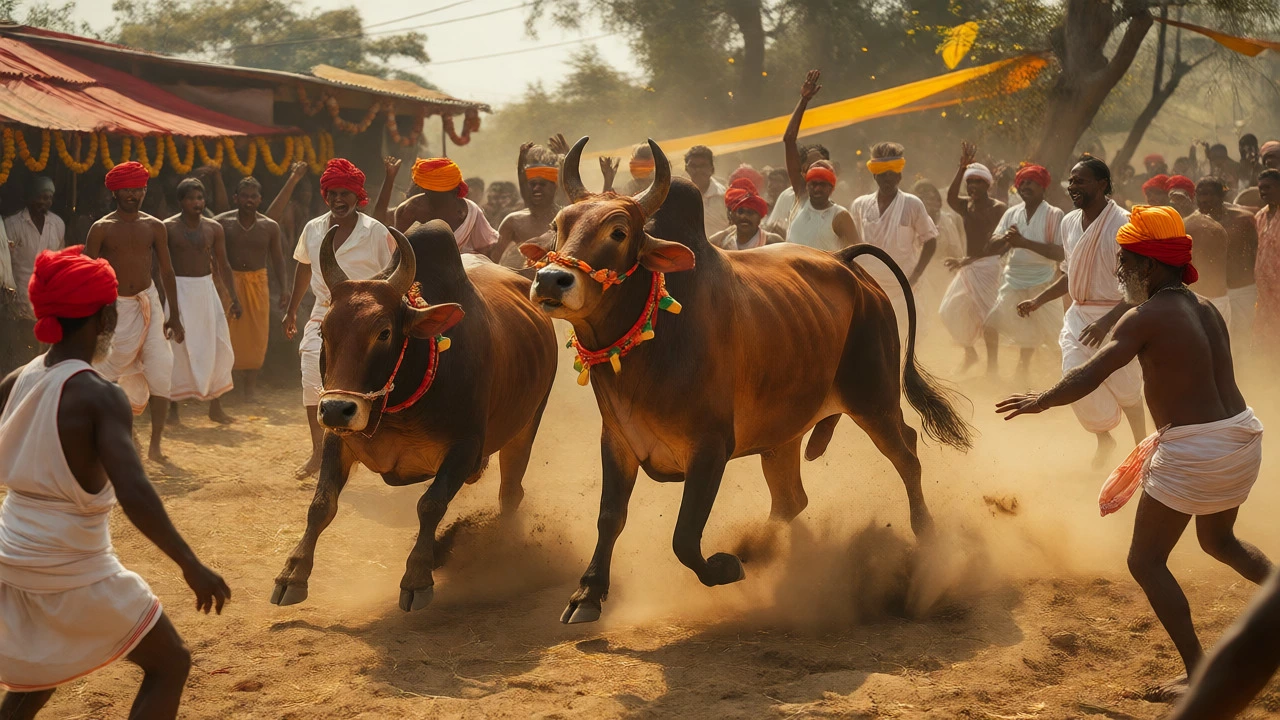
- January-February: Ideal for temple hopping. The famous Pongal festival in January celebrates harvest with vibrant bull-taming events in Madurai.
- March: Temperatures start creeping up, but it’s still manageable. Good for hill station visits before the summer rush.
The Monsoon Magic: June to September
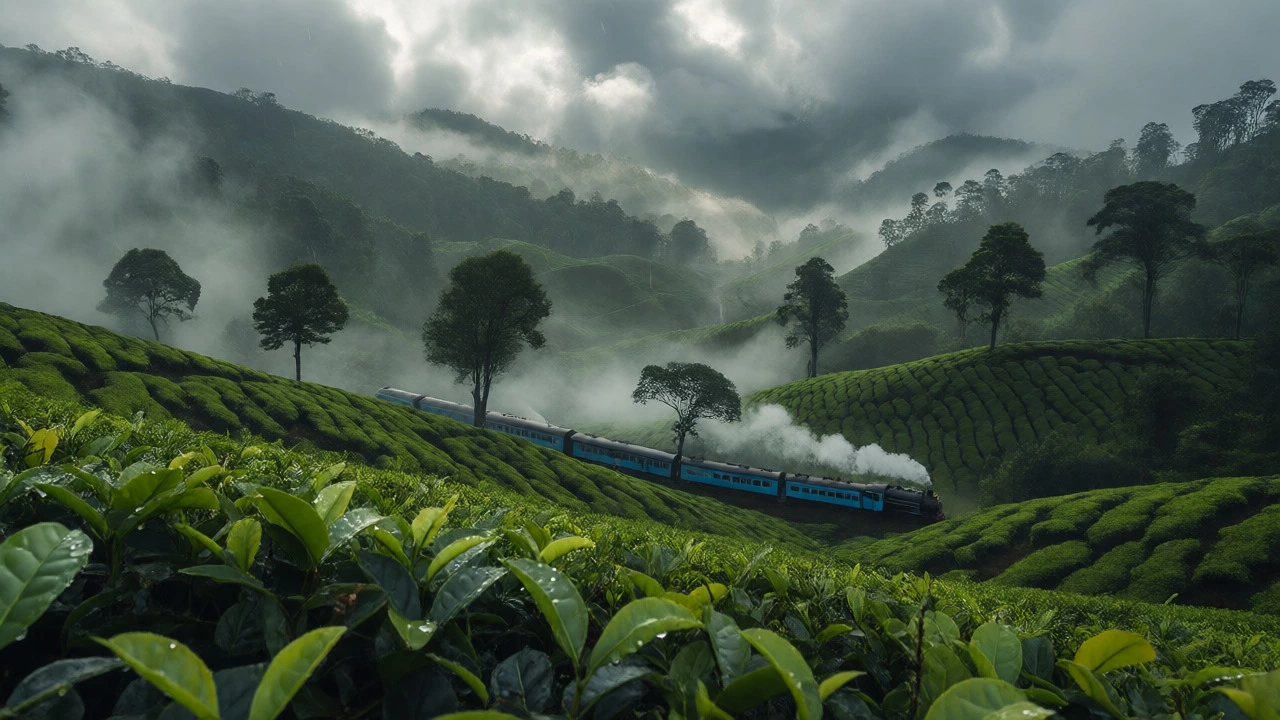
Most guides tell you to avoid the southwest monsoon (June-September), calling it disruptive. They’re wrong if you know where to go. While coastal areas like Chennai get heavy rains, the interior regions thrive. The waterfalls in Hogenakkal and Courtallam reach their peak flow, creating spectacular sights. Hill stations like Yercaud and Kotagiri become misty paradises with blooming flowers.
Here’s the catch: you need flexibility. Roads in remote areas might get blocked. Boat rides in backwaters might be canceled. But the crowds? Non-existent. You’ll have entire heritage sites to yourself. Hotels often drop prices by 40-50% during these months. If you don’t mind carrying an umbrella and checking daily weather updates, you get premium experiences at budget prices.
The Scorching Summer: April to May
Let’s be honest: April and May are tough. Temperatures in Chennai and Madurai regularly exceed 40°C (104°F). Humidity makes it feel hotter. Outdoor activities become miserable after 10 AM. However, this doesn’t mean you shouldn’t visit. It just means you change your itinerary.
Focus on indoor cultural experiences. Visit museums in Chennai, spend hours in air-conditioned temples, or escape to the high-altitude resorts in the Nilgiris. The Nilgiri Mountain Railway operates year-round, offering cool breezes even in summer. Avoid coastal areas unless you plan to stay indoors or swim constantly. If you’re sensitive to heat, skip these months entirely.
Regional Breakdown: Where to Go When
Tamil Nadu isn’t a single destination. Treating it as one leads to bad trips. Here’s how different zones behave across seasons.
| Region | Best Months | Avoid | Why |
|---|---|---|---|
| Chennai & Coast | Nov-Feb | Apr-Jun | High humidity and heat in summer; cyclones possible in Oct. |
| Madurai & Interior | Oct-Mar | May | Dry heat peaks in May; pleasant winters for temple tours. |
| Hill Stations (Ooty/Kodaikanal) | All Year* | Monsoon (for road safety) | Cool year-round; monsoon brings landslides but beautiful views. |
| Rameswaram & Dhanushkodi | Oct-Feb | Jun-Sep | Coastal winds make boat rides unsafe during monsoon. |
Festivals That Define Your Trip
Timing your visit around festivals transforms a standard tour into a cultural immersion. These events draw massive crowds, so book accommodation six months in advance.
- Pongal (Mid-January): A four-day harvest festival. Villages decorate homes with kolam art, and Jallikattu (bull taming) happens in rural Madurai districts. Expect chaos, joy, and incredible food.
- Chithirai Thiruvizha (April/May): Held in Madurai, this month-long festival features the wedding procession of Goddess Meenakshi. Despite the heat, the energy is electric.
- Nadaswaram and Carnatic Music Season (Dec-Jan): Chennai hosts the world’s largest music festival, Margazhi. If you love classical music, December in Chennai is non-negotiable.
- Brahmotsavam (Various Dates): Major temple festivals occur throughout the year. Check specific temple calendars if you’re a devotee.
Budget vs. Comfort: Making the Trade-off
Your bank account plays a big role here. Peak season (Dec-Jan) sees hotel rates double. Flights from international hubs like Singapore or Dubai also spike. If you’re traveling on a tight budget, shoulder seasons-October and February-offer the best balance. You get decent weather without peak pricing.
Conversely, luxury travelers should aim for December. Resorts in Mahabalipuram and private villas in Kovalam operate at full capacity with staff ready to provide premium service. In monsoon, some high-end facilities may close pools or reduce amenities due to maintenance, though discounts are steep.
Practical Tips for Every Season
No matter when you visit, pack smart. Cotton clothes work best for breathability. If visiting temples, ensure your outfit covers shoulders and knees. Many temples enforce strict dress codes regardless of weather.
- Hydration: Carry ORS packets. Dehydration sneaks up quickly in Tamil Nadu’s heat.
- Mosquitoes: Monsoon brings dengue risks. Use repellent, especially in rural areas and evenings.
- Transport: Book train tickets via IRCTC well in advance for peak seasons. Auto-rickshaws require negotiation; use apps like Ola or Uber in cities for fixed fares.
- Food: Filter coffee is everywhere. Try local eateries for authentic Chettinad cuisine, which uses heavy spices that pair well with cooler weather.
Final Verdict: Pick Your Priority
There is no single "best" time because your priorities dictate the answer. Want comfort and sightseeing? Go October to March. Want solitude and nature? Go June to August. Want culture and festivals? Target January. Want cheap deals? Shoulder months are your friend.
Tamil Nadu rewards those who plan according to the rhythm of its land. Don’t fight the weather; work with it. Whether you’re watching the sunrise over the Bay of Bengal in winter or listening to rain hit the roof of a tea estate in the Nilgiris, there’s a perfect moment waiting for you.
Is Tamil Nadu safe to visit during monsoon?
Yes, generally safe, but exercise caution in hilly areas due to potential landslides and flooding. Coastal areas may experience rough seas. Always check local weather forecasts before traveling to remote regions.
Which month is cheapest for visiting Tamil Nadu?
June through September typically offers the lowest hotel and flight prices due to the monsoon season. However, some tourist attractions may have limited access or reduced services.
Can I visit Tamil Nadu in summer?
Yes, but focus on hill stations like Ooty and Kodaikanal, or indoor activities in cities. Avoid outdoor exploration in coastal and interior plains during April and May due to extreme heat.
What is the best time for temple visits?
October to March is ideal for temple visits due to pleasant weather. Additionally, visiting during major festivals like Pongal (January) or Chithirai Thiruvizha (April/May) offers unique cultural experiences, though crowds will be larger.
Does it rain all day during monsoon?
No, rainfall is usually intermittent. There are often sunny breaks between showers. This allows for sightseeing if you carry rain gear and remain flexible with your schedule.