Wildlife and Nature: Protecting India's Wild Spaces and Natural Wonders
When we talk about wildlife and nature, the living systems and wild spaces that sustain animals, plants, and ecosystems across India. Also known as natural heritage, it includes everything from dense forests and wetlands to mountain ranges and grasslands that support thousands of species. These aren’t just pretty landscapes—they’re the backbone of India’s ecological health. Without them, animals like tigers, elephants, and one-horned rhinos wouldn’t survive. And without healthy habitats, clean water, fertile soil, and even stable weather patterns become harder to maintain.
Wildlife sanctuary, a legally protected area where animals live free from hunting and large-scale human development. Also known as protected area, it’s one of the most effective tools for conservation. Unlike national parks, sanctuaries allow some human activity like grazing or research, as long as it doesn’t harm the animals. They’re not just fences around animals—they’re living labs where scientists track species, restore forests, and study how ecosystems recover. Places like Jim Corbett or Kaziranga aren’t just tourist spots; they’re critical lifelines for endangered species. And biodiversity, the variety of life in a given area—from insects to trees to birds. Also known as ecological richness, it’s what keeps nature resilient. When one species disappears, others can collapse too. That’s why protecting a single sanctuary often saves dozens of species at once. Habitat protection, the act of keeping natural environments intact so animals can live, breed, and move safely. Also known as ecosystem preservation, it’s the quiet hero behind every successful wildlife program. You can’t save a tiger if its forest is gone.
These ideas are connected. A wildlife sanctuary works because it protects habitat. Habitat protection works because it supports biodiversity. And biodiversity matters because it keeps nature alive—for animals, for people, and for future generations. You don’t need to be a scientist to care. You just need to know these places exist, why they matter, and how your choices can help. The posts below dig into real questions: Are sanctuaries actually working? What’s the point of protecting land if people still live nearby? Can tourism help or hurt? You’ll find clear answers, real examples, and no fluff—just what you need to understand India’s wild spaces better.
- Oct, 20 2025
- 0 Comments
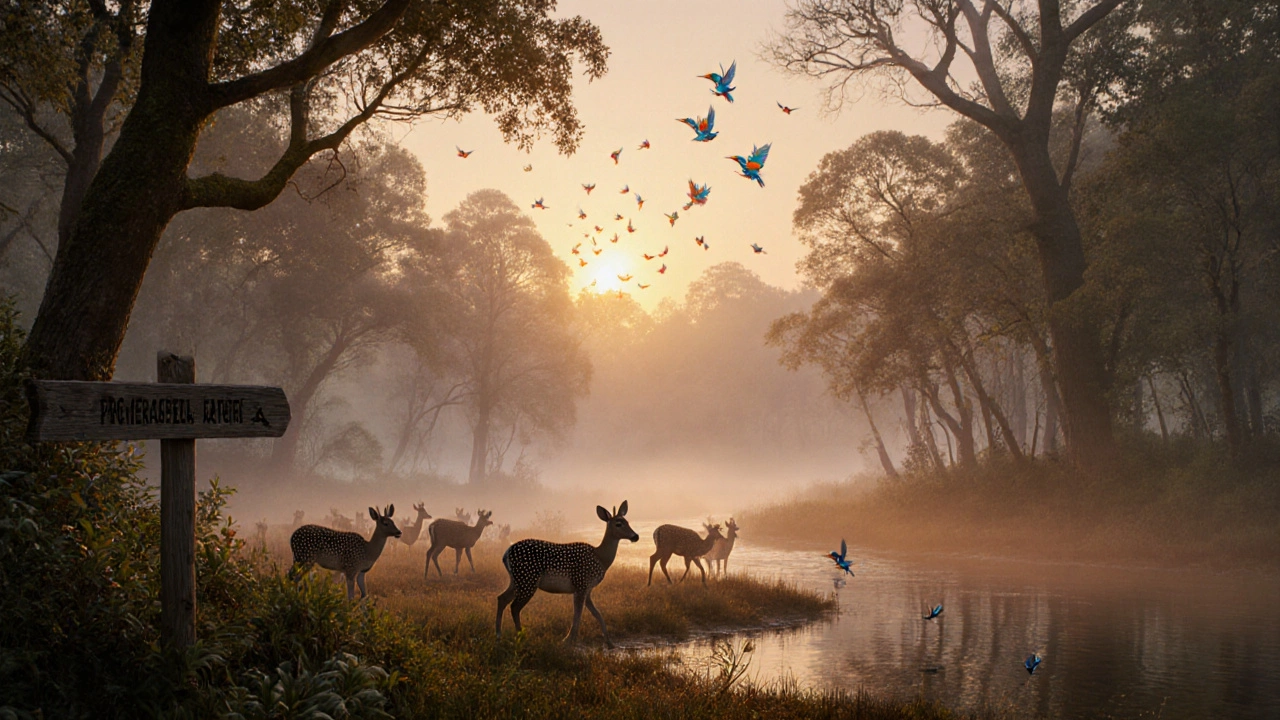
Explore why wildlife sanctuaries exist, their conservation goals, benefits, management challenges, and how you can support them.
More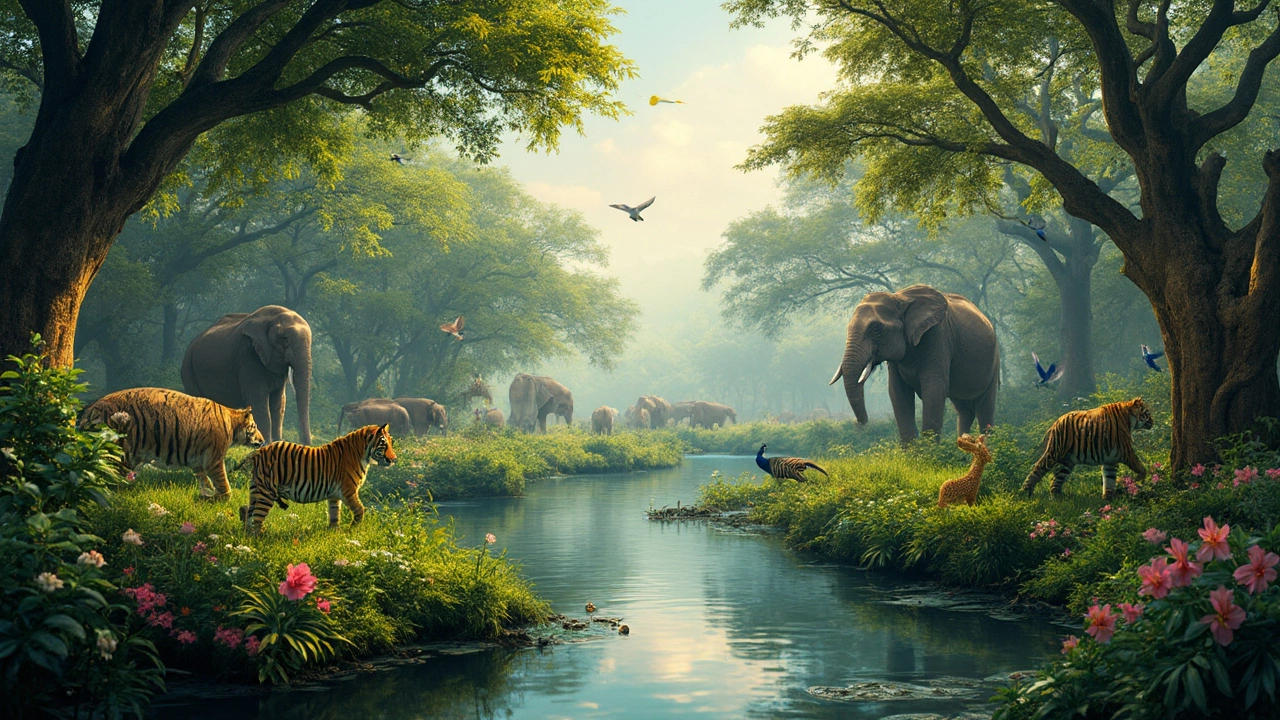
- Mar, 7 2025
- 0 Comments
Wildlife sanctuaries have a crucial role in conserving biodiversity, offering protected habitats for animals and helping in the restoration of ecosystems. They provide safe havens for endangered species, enabling them to thrive away from human disruptions. Sanctuaries also offer educational opportunities, fostering awareness about the importance of conservation among the public. While they are beneficial, they come with challenges such as funding and maintaining natural balance without human interference.
More