Danger Zones: Which Situations Should Hikers Avoid in India?
 Jun, 12 2026
Hiking Risk Assessment Tool
Select the conditions for your planned trek to determine the danger level.
Assessment Result
Select options above to generate a safety report.
India’s mountains are breathtaking. From the snow-capped peaks of the Himalayas to the rugged Western Ghats, the landscape offers some of the most dramatic scenery on Earth. But beauty often masks danger. Every year, hundreds of hikers end up in trouble-not because they lacked skill, but because they ignored clear warning signs or pushed into situations their bodies couldn’t handle. Knowing which situations to avoid is just as important as knowing which trail to take.
If you are planning a trek in India this season, you need to understand that the environment changes fast. A sunny morning can turn into a life-threatening storm by afternoon. A manageable slope can become a slippery death trap with just an inch of rain. This guide breaks down the specific scenarios you must steer clear of to keep your adventure safe and memorable.
The Monsoon Trap: Why Rain Changes Everything
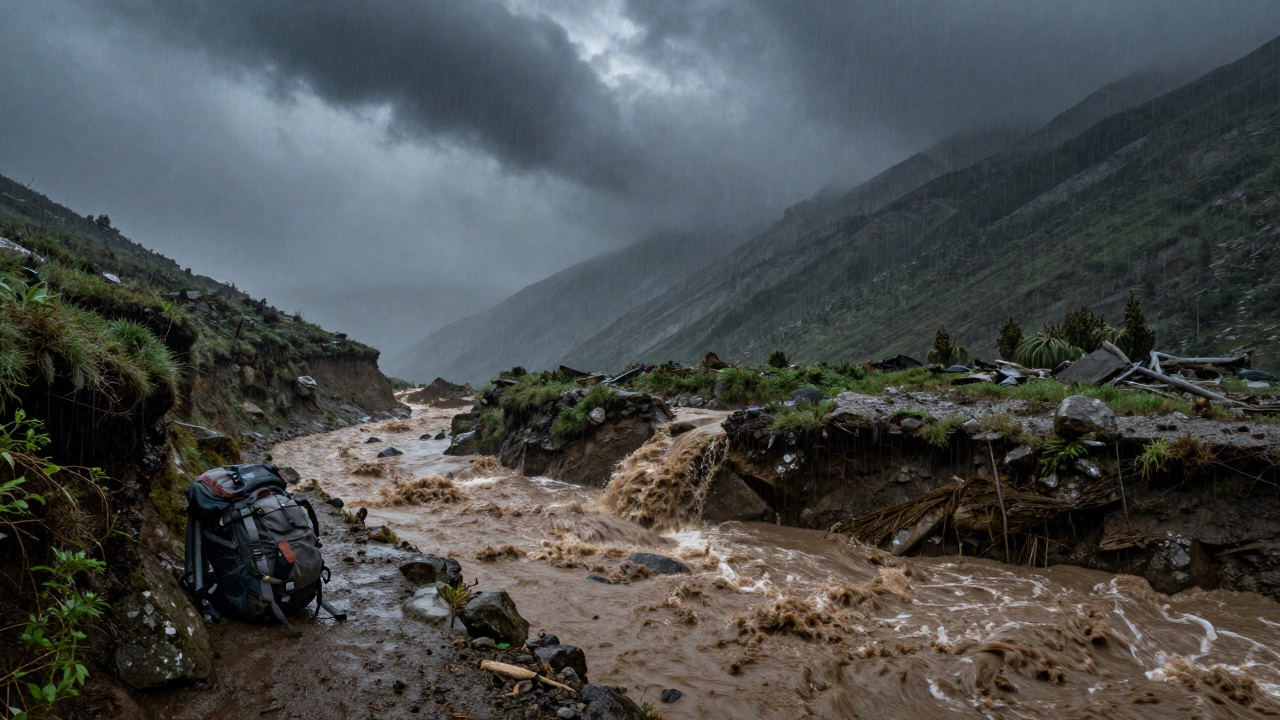
In India, the monsoon isn't just weather; it's a force of nature that reshapes the terrain. Many beginners think light rain makes for a 'moody' photo opportunity. In reality, even moderate rainfall on popular trails like Kedarkantha or Stok Kangri creates immediate hazards. The primary risk here is landslides and mudslides. Soil saturation reduces friction, turning stable paths into flowing rivers of mud.
You should avoid hiking during heavy monsoon rains (typically July to September in the Himalayas) for three main reasons:
- Visibility drops to zero: Fog and rain obscure trail markers. Getting lost in dense fog at high altitude is a common cause of rescue missions.
- Hypothermia sets in quickly: Wet clothing loses its insulating properties. Even if you feel warm while moving, stopping to rest can lead to rapid body temperature loss.
- River crossings become deadly: Streams that were ankle-deep yesterday can surge into chest-high torrents today. Currents stronger than waist-height can sweep away experienced swimmers.
If you hear thunder, do not wait to see if the rain stops. Seek shelter immediately. Lightning strikes are frequent in open alpine meadows. Avoid standing under isolated trees, which act as lightning rods. Instead, find a low-lying area away from water and metal objects.
Altitude Sickness: The Silent Killer
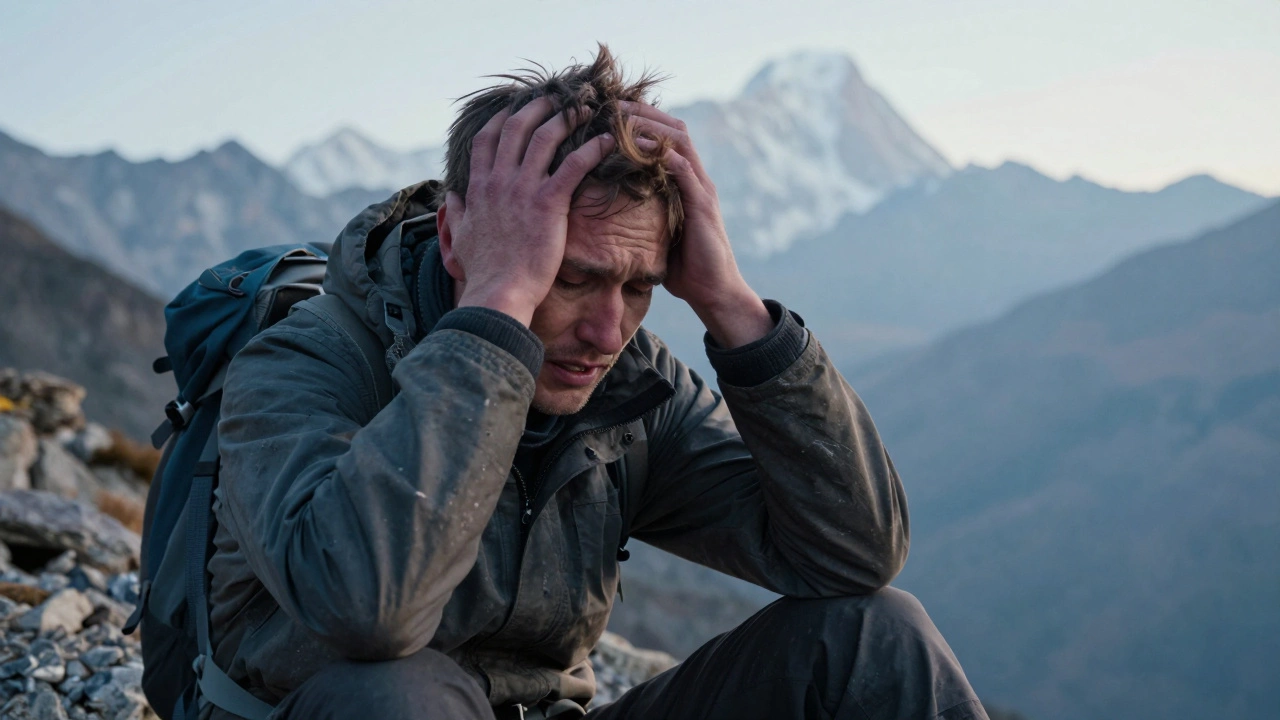
Altitude sickness, or Acute Mountain Sickness (AMS), affects people regardless of fitness level. It happens when your body cannot acclimatize to the lower oxygen levels at higher elevations. Many hikers make the fatal mistake of pushing through symptoms, thinking it’s just fatigue. It is not.
You must avoid ascending too quickly. A general rule of thumb is not to sleep more than 300-500 meters higher than the previous night once you pass 3,000 meters. Watch for these red flags:
- Persistent headache that doesn’t go away with painkillers
- Nausea or vomiting
- Dizziness or loss of coordination (ataxia)
- Shortness of breath at rest
If you experience these symptoms, stop ascending. Rest for 24 hours. If symptoms worsen, descend immediately. There is no cure for AMS other than going down. Continuing upward can lead to High Altitude Pulmonary Edema (HAPE) or High Altitude Cerebral Edema (HACE), both of which are fatal within hours without medical intervention. Do not rely on Diamox alone as a shield to hike faster; it helps with prevention but does not replace proper acclimatization.
Solo Trekking in Remote Areas
Trekking alone sounds romantic in movies, but in the Indian wilderness, it is statistically dangerous. While solo hiking is possible on well-marked, populated trails like parts of the Mcleodganj circuit, venturing into remote regions like the Zanskar Valley or deep sections of the Nanda Devi Biosphere Reserve requires a group.
The core issue is lack of redundancy. If you break an ankle, run out of water, or suffer from hypothermia, there is no one to help you. Rescue operations in remote India can take days due to difficult terrain and limited helicopter availability. Always inform someone reliable-hotel staff, family, or local authorities-of your exact itinerary and expected return time. Better yet, hire a local guide. They know the shortcuts, the weather patterns, and the emergency contacts.
Wildlife Encounters: Respect the Territory
Indian forests are home to diverse wildlife, including leopards, bears, monkeys, and snakes. You are a guest in their habitat. Certain behaviors increase the risk of conflict significantly.
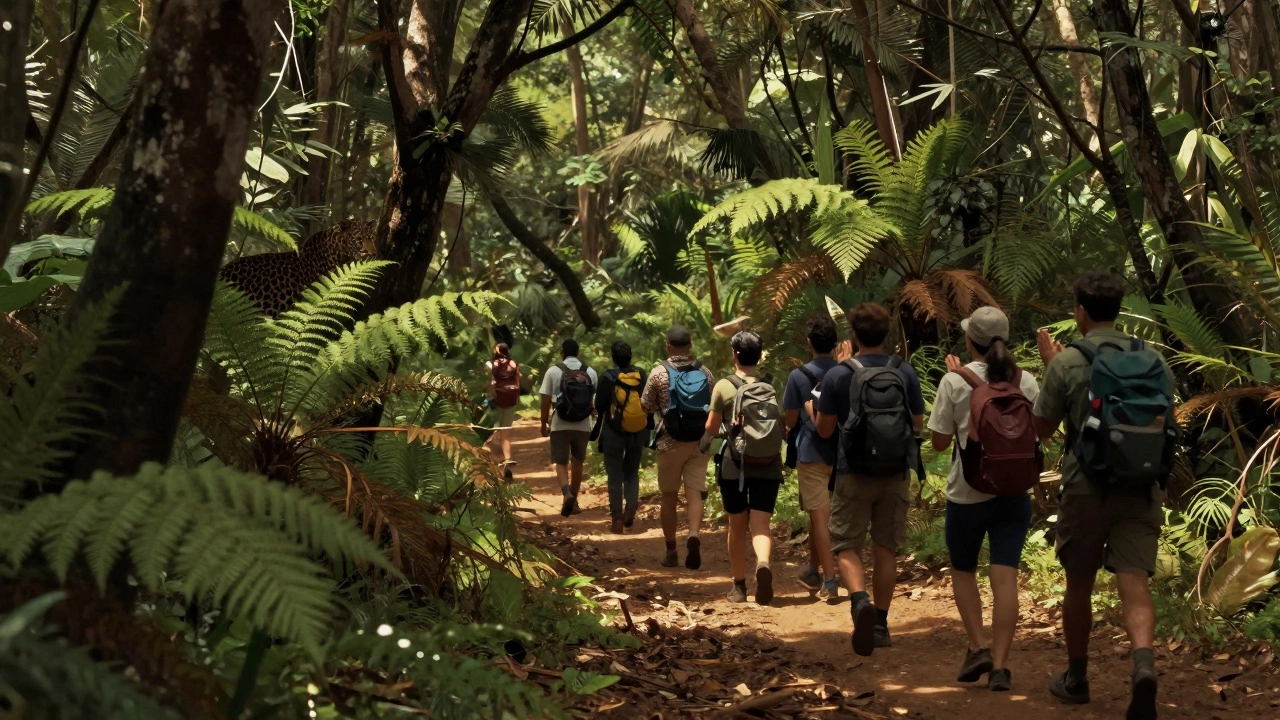
Avoid making eye contact with wild animals, especially leopards and bears. Direct stare is interpreted as a challenge. Make noise while walking-clap your hands or talk loudly-to alert animals to your presence so they can move away. Never approach animals for photos, even if they seem tame. Wild elephants in places like Munnar or Kaziranga can be unpredictable and aggressive if they feel threatened.
Snakes are another concern, particularly in the Western Ghats during warmer months. Wear gaiters and sturdy boots. Watch where you place your hands and feet, especially near rocks and logs. If you encounter a snake, back away slowly. Most bites occur when people try to kill or capture the snake out of fear.
Equipment Failure and Poor Preparation
Many accidents stem from inadequate gear. Renting cheap equipment from local shops might save money upfront, but it often fails when you need it most. Broken zippers on tents, leaking sleeping bags, or worn-out soles on boots can turn a minor inconvenience into a survival situation.
Avoid using footwear that hasn't been broken in. New boots will blister your feet within hours, forcing you to stop or walk with a limp, which increases injury risk. Test all gear before you leave home. Check that your headlamp has fresh batteries, your stove ignites reliably, and your first-aid kit contains essentials like bandages, antiseptic, and blister plasters.
Also, avoid carrying too much weight. Overpacking leads to exhaustion and poor balance. Stick to the essentials: shelter, warmth, water purification, and nutrition. Leave the luxury items behind.
Ignoring Local Knowledge and Regulations
Local guides and forest officials have intimate knowledge of current conditions. They know which streams are rising, which slopes are unstable, and which areas are restricted due to military activity or conservation efforts. Ignoring their advice is a major error.
Some trails require permits, such as those in Ladakh or Spiti Valley. Attempting to bypass permit checkpoints can result in fines, deportation, or being stranded without support. Always obtain necessary permissions in advance. Respect environmental rules: do not litter, do not use plastic bottles if alternatives exist, and stay on marked trails to prevent erosion and protect fragile ecosystems.
| Hazard | Why It's Dangerous | Safe Alternative |
|---|---|---|
| Hiking in Heavy Rain | Landslides, hypothermia, flash floods | Wait for dry windows; carry waterproof layers |
| Rapid Ascent | Altitude sickness (AMS, HAPE, HACE) | Acclimatize gradually; rest days every 1000m gain |
| Solo Trekking Remotely | No help in case of injury/illness | Trek in groups; hire local guides |
| Approaching Wildlife | Attacks from leopards, bears, elephants | Keep distance; make noise; store food securely |
| Using Unbroken-in Boots | Blisters, foot injuries, inability to walk | Break in boots for weeks before trek |
Weather Misjudgment: The Afternoon Storm
In mountainous regions, weather patterns follow a predictable rhythm. Mornings are usually clear, while afternoons bring clouds, wind, and rain. Starting a long day hike late in the day is risky. You may find yourself descending in darkness or caught in a storm far from shelter.
Plan your start time early. Aim to begin hikes by 6 AM. This gives you ample daylight to reach campsites or key viewpoints before weather deteriorates. Carry a detailed map and compass, as GPS signals can fail in deep valleys. Download offline maps on your phone as a backup, but never rely solely on technology.
Conclusion: Safety First, Adventure Second
Hiking in India offers unparalleled experiences, but it demands respect for nature’s power. By avoiding monsoon treks, respecting altitude limits, trekking with others, and preparing properly, you ensure that your journey remains an adventure rather than a tragedy. Remember, the mountain will always be there next year. Your health and safety are paramount.
Is it safe to hike in India during the monsoon?
Generally, no. Monsoon rains (July-September) cause landslides, mudslides, and poor visibility. Some regions like the Northeast or certain parts of the Western Ghats may have safer options, but most Himalayan trails are closed or extremely dangerous. Always check local conditions and heed warnings from guides.
What are the first signs of altitude sickness?
Headache, nausea, dizziness, and shortness of breath at rest are key indicators. If these symptoms appear, stop ascending, rest, and hydrate. If they worsen, descend immediately. Do not ignore these signs.
Can I trek solo in the Himalayas?
Solo trekking is possible on well-populated, easy trails but highly discouraged in remote or technical areas. The risk of injury without assistance is too high. Join a group or hire a local guide for safety and better navigation.
How do I avoid wildlife encounters on Indian trails?
Make noise while walking, avoid eye contact with animals, keep food sealed and stored away from camp, and never approach wildlife. Carry bear spray if recommended for specific regions, though it is less common in India than in North America.
What gear is essential for hiking in India?
Essential gear includes broken-in hiking boots, layered clothing (including waterproof jacket), sleeping bag rated for below-zero temperatures, tent, headlamp, first-aid kit, water purification method, and sufficient high-energy food. Always test gear before departure.