How Many Days in India Is Enough for a Budget Traveler?
 Jan, 2 2026
India Budget Travel Calculator
Calculate your estimated travel budget for India based on your stay duration. This tool uses the article's budget range of ₹1,400-3,000 ($17-36 USD) per day.
Based on article's budget ranges: ₹1,400-3,000 per day ($17-36 USD)
There’s no single answer to how many days in India is enough-because it depends on what you want to see, how fast you move, and how deep you want to go. But if you’re traveling on a budget and want to get the real feel of the country without burning out, here’s what actually works.
Seven Days: The Bare Minimum That Works
Seven days is the shortest stretch where you can still walk away feeling like you’ve touched something real. You’ll need to pick one region-no hopping between North and South. Stick to Delhi, Agra, and Jaipur. That’s the Golden Triangle, and it’s packed for a reason. You can do it on ₹5,000-7,000 ($60-85 USD) per day if you sleep in hostels, eat street food, and take overnight trains.
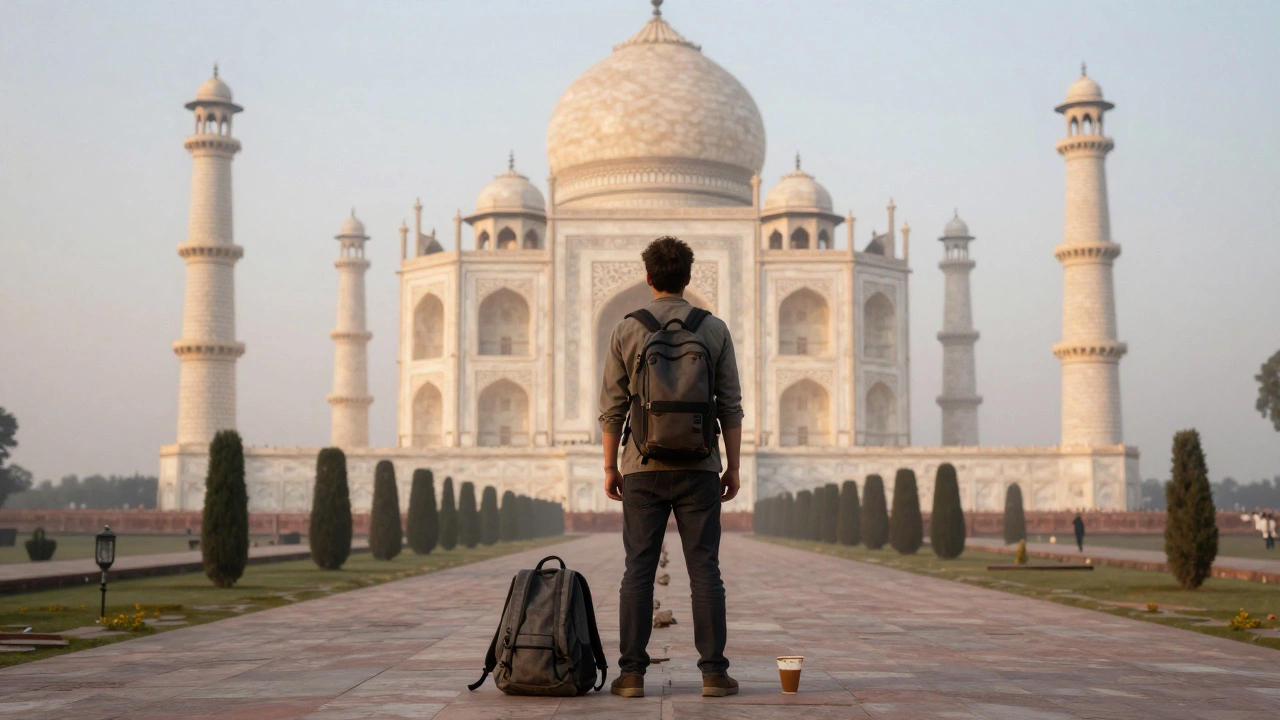
Day 1: Arrive in Delhi. Sleep in Paharganj. Eat parathas at Paranthe Wali Gali. Take the metro to Humayun’s Tomb and Qutub Minar. Day 2: Overnight train to Agra. Wake up, rush to the Taj Mahal before 8 a.m. to beat the crowds and heat. Day 3: Visit Agra Fort, then take a morning train to Jaipur. Day 4: Amber Fort, City Palace, Jantar Mantar. Day 5: Shop for textiles at Johari Bazaar, sip chai at a rooftop cafe. Day 6: Train back to Delhi. Day 7: Fly out.
It’s fast. It’s tiring. But you’ll see the Taj. You’ll taste real dal baati churma. You’ll ride a tuk-tuk through chaotic streets. And you’ll know India isn’t just a postcard.
14 Days: The Sweet Spot for First-Timers
Two weeks is when budget travel in India starts to feel like a rhythm, not a rush. You can add Varanasi or Ranthambore without blowing your budget. Or swap Jaipur for Udaipur and still stay under ₹8,000 ($95 USD) per day.
Start with Delhi-Agra-Jaipur like before. Then take a 12-hour train to Varanasi. Spend two days here: walk the ghats at sunrise, watch the aarti on the Ganges, eat kachori at a tiny stall near Assi Ghat. Skip the expensive boat rides-just sit on the steps with a cup of masala chai. Then head to Ranthambore. Book a shared jeep safari (₹1,500 per person). You might see a tiger. If not, you’ll still see monkeys, deer, and peacocks in the wild.
Finish in Udaipur. Stay in a budget guesthouse near Lake Pichola. Walk the old city. Eat dal baati at a family-run restaurant. Take a ₹20 ferry ride across the lake at sunset. This stretch gives you history, spirituality, wildlife, and beauty-all without a single luxury hotel.
21 Days: When India Starts to Unfold
Three weeks is when you stop being a tourist and start feeling like a visitor. You can now afford to slow down. Skip flights. Take overnight buses. Stay in one place for three nights instead of two.
Add Kerala. Take a train from Udaipur to Kochi (24 hours, ₹1,800). Stay in a backwater homestay in Alleppey for ₹1,200 a night. Ride a houseboat with a local family who cooks you fish curry. Spend a day in Fort Kochi-see the Chinese fishing nets, the Portuguese churches, the street art. Then head to Munnar. Sleep in a tea estate guesthouse. Walk through plantations. Drink fresh tea straight from the leaf.
Or, if you prefer mountains, go from Delhi to Rishikesh. Do yoga on the Ganges. Take a day trip to Haridwar. Then hop on a bus to Joshimath and trek to Auli (₹500 round trip). See snow for the first time in your life, and don’t pay ₹3,000 for a cable car-walk up.
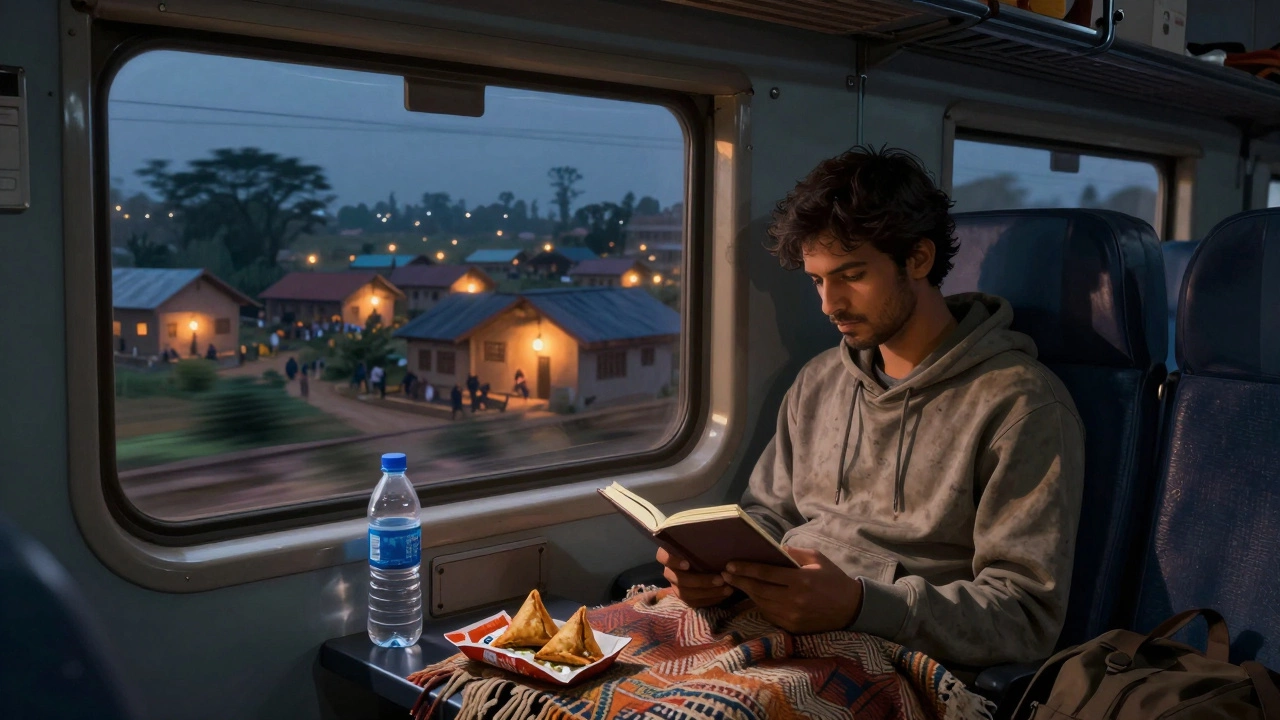
At this point, you’re not checking boxes. You’re noticing things: how the chai wallah knows your name by day three, how the train station vendor remembers you bought samosas last week, how silence in a temple courtyard feels heavier than any noise.
30+ Days: The Real Deep Dive
If you’ve got a month or more, you’re not just traveling-you’re living. You can afford to get lost. You can skip the tourist traps and find the places no guidebook mentions.
Head to Ladakh. Take a bus from Manali to Leh (12 hours, ₹1,000). Stay in a homestay with a Buddhist family. Eat thukpa and butter tea. Visit Hemis Monastery. Ride a bike to Pangong Lake. Don’t book a tour-hire a local driver for a day and let him take you to hidden valleys.
Or go to the Northeast. Take a flight to Guwahati, then a bus to Shillong. Walk the living root bridges in Cherrapunji. Stay in a village where the only electricity comes from solar panels. Eat smoked pork with fermented bamboo shoot. You’ll be one of maybe 20 foreigners there that week.
Or go to the rural heartland: Bihar, Odisha, Madhya Pradesh. Visit Sarnath. See the ruins of ancient universities. Watch farmers harvest rice in the fields near Bhubaneswar. Eat pitha in a village home where no one speaks English. You’ll learn more in one day here than in a week in Goa.
What Not to Do
Don’t try to see everything. India isn’t a checklist. You won’t remember the 12th temple you saw. But you’ll remember the woman who gave you a mango because you smiled at her kid.
Don’t overbook. You’ll burn out by day 10 if you’re hopping cities every 48 hours. One night in a place is rarely enough. Two nights is better. Three is ideal.
Don’t assume you need to spend more to see more. The best moments happen in ₹200 guesthouses, on ₹15 bus rides, in markets where you barter for spices with hand gestures.
Don’t ignore the trains. Overnight trains are the soul of Indian travel. Book in advance. Get a 3AC ticket-it’s not luxury, but it’s clean, safe, and way cheaper than flying. You’ll meet teachers, truck drivers, and pilgrims who’ll tell you stories you’ll never forget.
Real Budget Numbers (2026)
Here’s what you’ll actually spend per day on a tight budget (₹100 = $1.20 USD):
- Accommodation: ₹400-800 (hostel bed or budget guesthouse)
- Food: ₹300-600 (street food + one cooked meal)
- Transport: ₹400-1,000 (local buses, trains, rickshaws)
- Entrance fees: ₹100-300 (temples, forts, parks)
- Random stuff: ₹200 (bottled water, phone recharge, souvenirs)
Total: ₹1,400-3,000 per day ($17-36 USD). That’s enough to live like a local, not a tourist.
When to Go
October to March is the sweet spot. Cool, dry, perfect for walking. Avoid May to July-it’s brutal. Monsoon season (June-September) is beautiful in Kerala and the Northeast, but trains get delayed, roads flood, and you’ll spend half your time waiting.
If you’re on a budget, travel in late February or early March. Prices drop after the New Year rush. Hotels give discounts. Flights are cheaper. And the crowds are gone.
Final Thought: It’s Not About Days, It’s About Depth
Some people spend 45 days in India and feel like they saw nothing. Others spend 10 days and come home changed. It’s not the number of days-it’s how you use them.
Slow down. Talk to people. Eat where the locals eat. Say yes to the invitation for tea. Let go of the plan once in a while. That’s when India gives you something no itinerary ever could.
So how many days in India is enough? If you’re asking that question, you’re ready. Go for 14. Stay longer if you can. But don’t wait for the perfect time. The perfect time is now.