How Many UNESCO Heritage Sites Are There in India in 2024?
 Mar, 4 2026
As of 2024, India has 43 UNESCO World Heritage Sites. That’s more than any country in South Asia and among the top five globally. These sites aren’t just old buildings or ruins-they’re living cultures, ancient engineering marvels, and sacred spaces that still shape daily life across the country.
What Makes a Site UNESCO Heritage?
A UNESCO World Heritage Site isn’t just old or beautiful. It has to meet strict criteria: it must represent a masterpiece of human creativity, show important cultural exchange, or be an outstanding example of a traditional human settlement. Some sites are natural wonders, but India’s list is mostly cultural. That’s because India’s history is written in its architecture, rituals, and urban planning-not just in its forests or rivers.
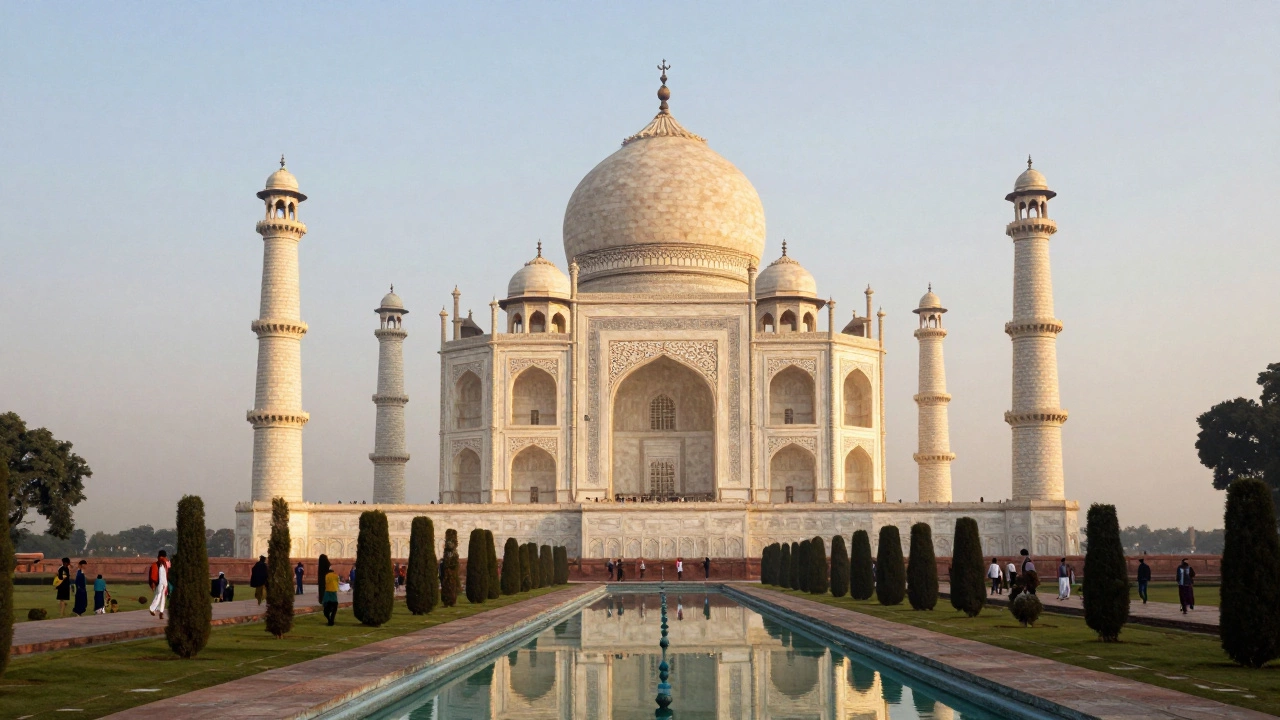
For example, the Taj Mahal isn’t just a pretty tomb. It’s a symbol of Mughal architectural fusion-Persian, Islamic, and Indian styles blended into something entirely new. The Ajanta Caves aren’t just rock carvings. They’re a 900-year record of Buddhist art and spirituality, painted by hand over centuries. These aren’t museum pieces. People still visit, pray, and celebrate at these places.
The Breakdown: 43 Sites in 2024
India’s 43 sites are split into 35 cultural, 7 natural, and 1 mixed site. The mixed site is Khangchendzonga National Park in Sikkim-it protects both biodiversity and sacred mountain landscapes tied to local beliefs.
Here’s how they break down by type:
- Cultural (35): Monuments, historic cities, archaeological sites, and religious complexes.
- Natural (7): Forests, wetlands, and mountain ecosystems with rare wildlife.
- Mixed (1): Khangchendzonga National Park.
The number changed in 2023 when India added three new sites: the Dholavira Archaeological Site in Gujarat, the Santiniketan campus in West Bengal, and the Ramappa Temple in Telangana. Before that, the last additions were in 2021: the Kakatiya Rudreshwara Temple and the Hill Forts of Rajasthan.
Top 5 Most Visited UNESCO Sites in India
Some sites draw millions every year. Here are the most popular:
- Taj Mahal (Agra): Over 6 million visitors annually. Built in 1653, it’s the most photographed monument on Earth.
- Agra Fort (Agra): A red sandstone palace-city where Mughal emperors lived. It’s just 2.5 km from the Taj.
- Qutub Minar (Delhi): The tallest brick minaret in the world-73 meters high, built in 1193.
- Jaipur City (Rajasthan): Known as the Pink City, it’s a planned 18th-century metropolis with observatories, palaces, and bazaars.
- Khajuraho Group of Monuments (Madhya Pradesh): Famous for intricate erotic sculptures, but also home to stunning Hindu and Jain temples.
What’s New in 2023?
The 2023 additions show how UNESCO is shifting focus. It’s no longer just about ancient empires. New sites reflect living traditions and community-led preservation.
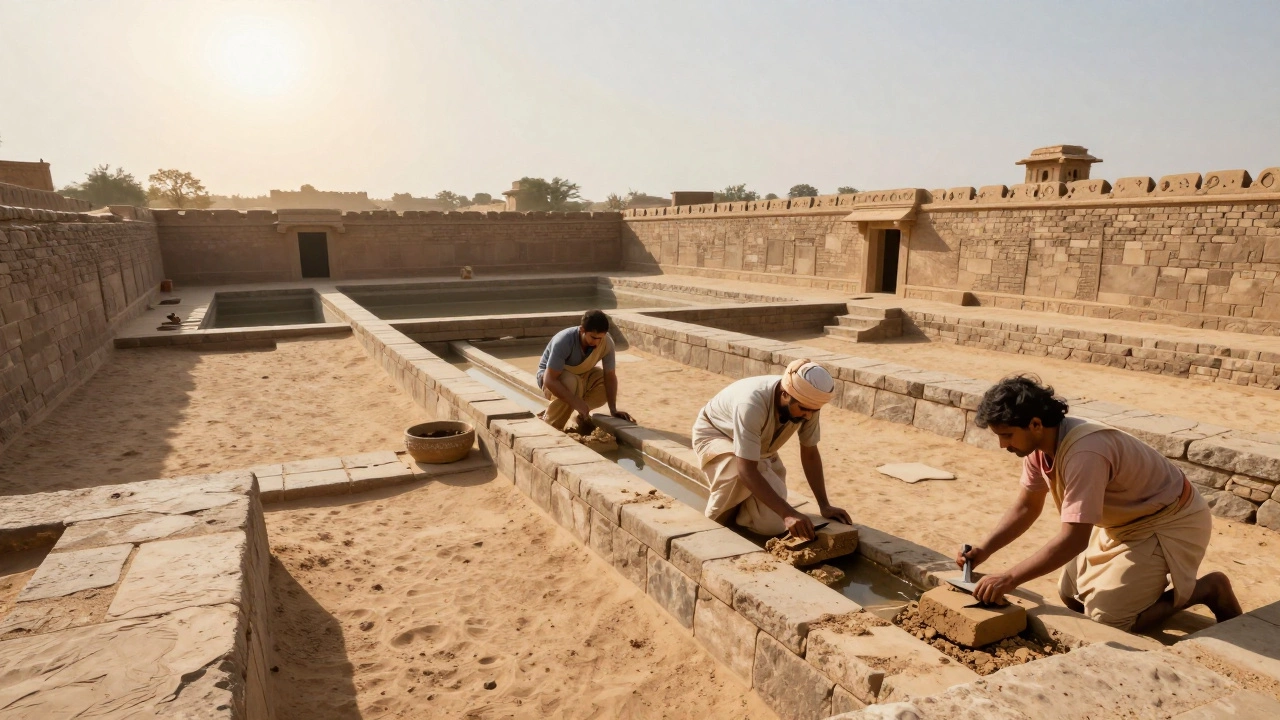
Dholavira is one of the largest Harappan cities-older than Mohenjo-daro. It has a sophisticated water management system with reservoirs and dams built 4,500 years ago. No cement. No metal tools. Just stone and clay.
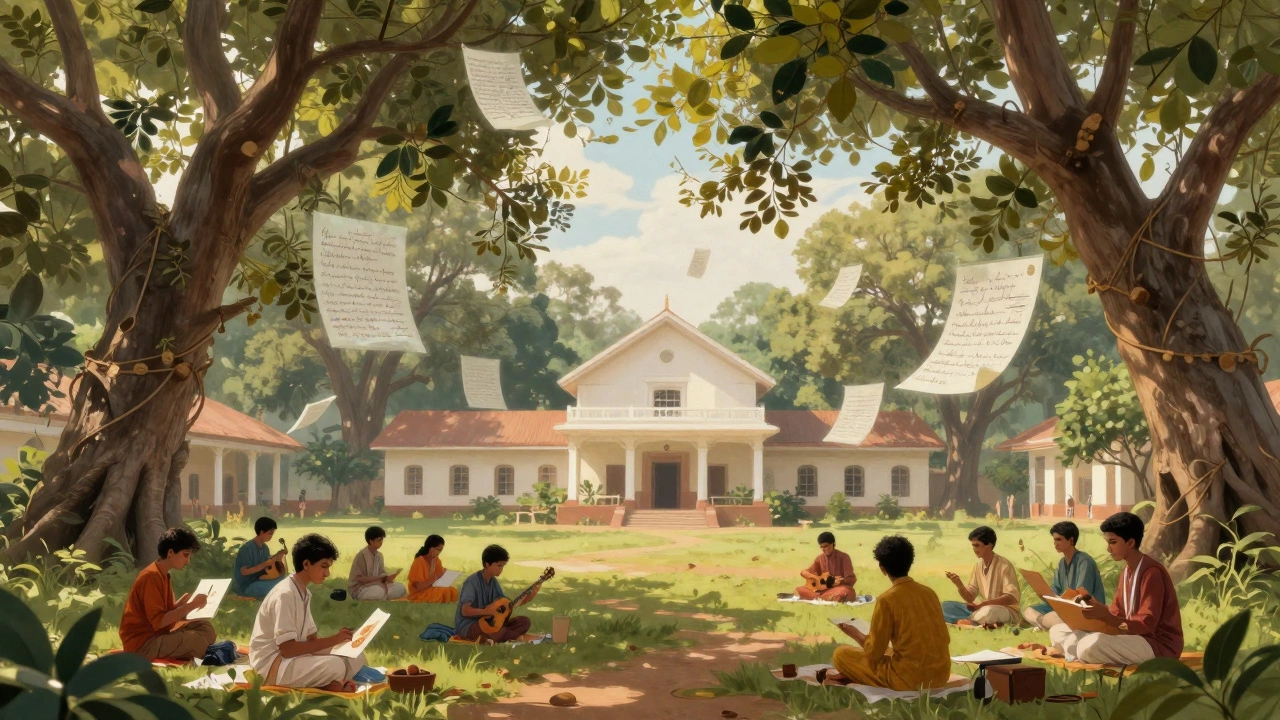
Santiniketan is different. It’s not a monument. It’s a campus founded by Rabindranath Tagore in 1921. He believed education should happen under trees, not in classrooms. Today, it’s still a hub for art, music, and rural learning. UNESCO recognized it as a model of alternative education.
Ramappa Temple in Telangana is built with lightweight, porous bricks that float in water. The temple’s stone carvings are so fine, you can see the texture of fabric on statues. It survived earthquakes for 800 years.
Why Some Sites Are Missing
India has hundreds of ancient sites-why only 43? The process is slow. Each site needs a detailed nomination dossier, local community support, a management plan, and proof that it’s being protected. Many places, like the ancient city of Pataliputra (modern Patna), are still being studied. Others, like the stepwells of Gujarat, are under threat from neglect or tourism pressure.
There’s also politics. Some sites are disputed. The Kailash Temple at Ellora, for example, is UNESCO-listed-but local groups have long argued about who owns the land around it. UNESCO doesn’t get involved in land disputes. It only lists sites that are legally protected and actively managed.
How to Visit Them All
You don’t need to travel to all 43. But if you’re serious about understanding India’s heritage, start with these:
- North: Taj Mahal, Agra Fort, Qutub Minar, Humayun’s Tomb
- West: Jaipur, Dholavira, Rani ki Vav (stepwell in Patan)
- Central: Khajuraho, Sanchi Stupa, Bhimbetka Rock Shelters
- South: Hampi, Mahabalipuram, Group of Monuments at Madurai
- East: Sundarbans (natural), Santiniketan
- North-East: Khangchendzonga
Use the UNESCO World Heritage Centre website to download official maps and visitor guidelines. Many sites now have digital audio guides in multiple languages. Some even offer night tours.
What’s Next? The 2025 Shortlist
India has submitted five new sites for consideration in 2025:
- The Great Living Chola Temples (extension to include newer temples)
- The Maritime Heritage of Mumbai
- The Nalanda University ruins
- The ancient city of Lothal
- The sacred groves of Meghalaya
If approved, India could hit 48 by 2026. But each addition takes 18-24 months. UNESCO reviews applications in July every year. So don’t expect new sites until mid-2026 at the earliest.
Why This Matters
These 43 sites aren’t just tourist spots. They’re proof that India’s past isn’t buried. It’s active. People still perform rituals at the temples of Khajuraho. Farmers still use the ancient irrigation channels at Dholavira. Students still learn poetry under trees at Santiniketan.
When UNESCO lists a site, it doesn’t just protect it. It says: this belongs to everyone. Not just India. Not just tourists. But to humanity.
How many UNESCO heritage sites are there in India in 2024?
As of 2024, India has 43 UNESCO World Heritage Sites. This includes 35 cultural sites, 7 natural sites, and 1 mixed site (Khangchendzonga National Park). Three new sites were added in 2023: Dholavira, Santiniketan, and Ramappa Temple.
Which is the newest UNESCO site in India?
The newest UNESCO sites in India were added in 2023: Dholavira Archaeological Site in Gujarat, Santiniketan in West Bengal, and the Ramappa Temple in Telangana. Among these, Santiniketan is unique-it’s the first modern educational campus ever listed by UNESCO.
Which Indian state has the most UNESCO heritage sites?
Uttar Pradesh has the highest number of UNESCO sites in India, with 7 sites including the Taj Mahal, Agra Fort, Fatehpur Sikri, and the Buddhist sites at Sarnath and Kushinagar. Rajasthan and Madhya Pradesh follow closely with 6 each.
Are all UNESCO sites in India open to tourists?
Most are open, but some have restrictions. For example, parts of the Ajanta Caves are closed during monsoon season due to humidity damage. The Sundarbans require permits for entry, and Khangchendzonga limits visitors to protect sacred zones. Always check official UNESCO or state tourism websites before planning a visit.
Why doesn’t India have more UNESCO sites?
India has thousands of historic sites, but UNESCO only lists those that meet strict criteria: proven historical significance, legal protection, active conservation, and community involvement. Many sites lack proper documentation or management plans. The nomination process is slow and requires state-level support. India submits only a few candidates each year to ensure quality over quantity.