How Much Is $1 USD Worth in India? (2026 Exchange Rates & Budget Guide)
 Jul, 31 2026
India Travel Budget Calculator (2026)
Estimate your daily expenses in India based on the current exchange rate of approximately 1 USD = 84 INR.
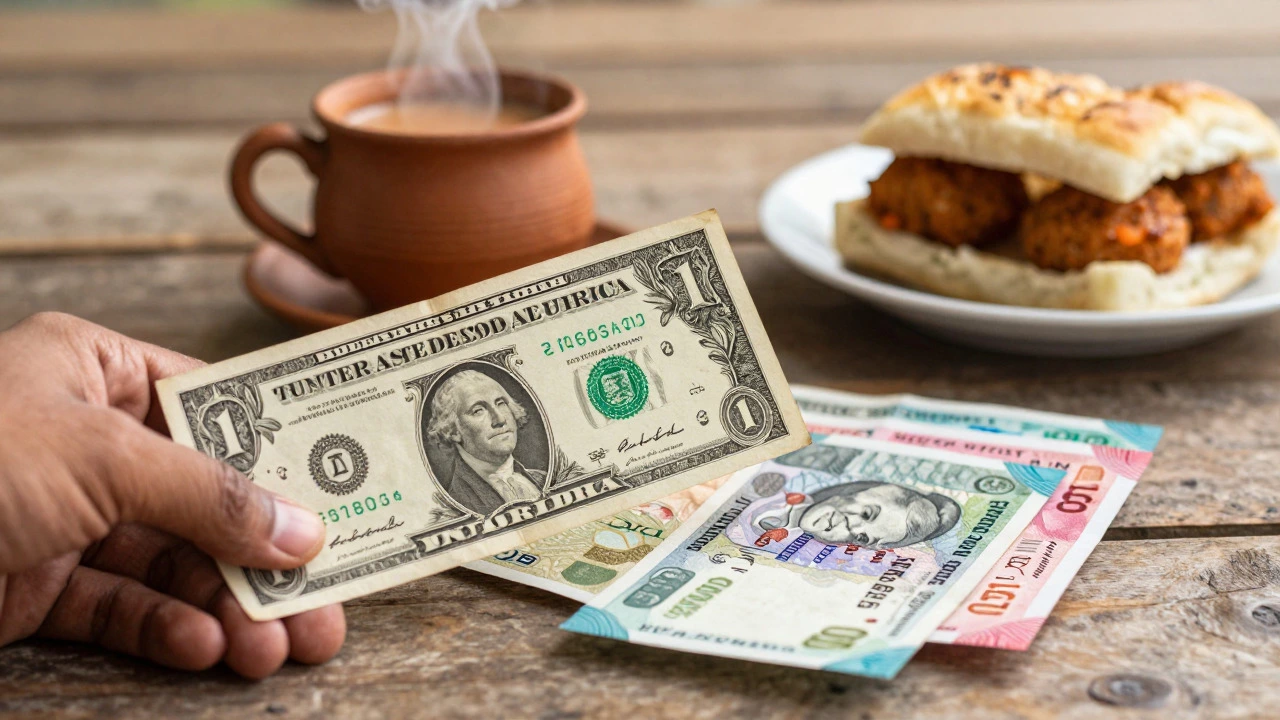
Imagine holding a single US dollar bill. In the United States, that greenback might barely cover a cup of coffee and a pastry at a decent cafe. But if you step off a plane in New Delhi, Mumbai, or even the tourist hubs of Kerala and Rajasthan, that same dollar transforms into roughly 83 to 85 Indian Rupees (INR). That is not just a number; it is a key that unlocks a world where your money stretches further than you ever thought possible.
For travelers from the US, Australia, Europe, or Canada, visiting India in 2026 is often described as a "currency arbitrage" vacation. You are not just seeing exotic temples and vibrant markets; you are experiencing a lifestyle where high-quality food, comfortable accommodation, and unique experiences cost a fraction of what they do back home. But how much is $1 really worth in practical terms? Let's break down exactly what you can buy with your dollars today.
The Real Value of Your Dollar in 2026
As of mid-2026, the exchange rate hovers around 1 USD = 84 INR. This figure fluctuates daily based on global market trends, but for budgeting purposes, using 84 is a safe baseline. The real question isn't just the math; it is the purchasing power parity. In economics, this means comparing what a unit of currency can actually buy in different countries.
In India, the cost of living is significantly lower than in Western nations. While rent and imported goods might seem pricey in major metros like Mumbai, services and local produce remain incredibly affordable. For a traveler, this means your daily expenses drop dramatically once you leave the airport.
| Item/Service | Cost in INR | Equivalent in USD | Notes |
|---|---|---|---|
| Basic Street Food (Vada Pav/Samosa) | ₹10 - ₹20 | $0.12 - $0.24 | Delicious, spicy, and filling snack available everywhere. |
| Local Bus Ride (Short Distance) | ₹5 - ₹15 | $0.06 - $0.18 | Cheap public transport in cities like Delhi and Bangalore. |
| Bottle of Water (500ml) | ₹10 - ₹20 | $0.12 - $0.24 | Always buy sealed bottles to avoid stomach issues. |
| Local Tea (Chai) at a Stall | ₹10 - ₹20 | $0.12 - $0.24 | Strong, sweet, and aromatic milk tea. |
| Entry Fee to Minor Heritage Sites | ₹15 - ₹50 | $0.18 - $0.60 | Many small forts and museums have low entry fees. |
| Simple Thali Meal at Local Restaurant | ₹150 - ₹250 | $1.80 - $3.00 | A full meal with rice, dal, vegetables, bread, and dessert. |
Daily Budget Breakdown: How Far Does $50 Go?
Let’s look at a realistic scenario. If you budget $50 per day, that converts to approximately ₹4,200. In many parts of India, this is considered a comfortable, mid-range budget. You are not backpacking on the bare minimum, but you are also not spending luxury amounts. Here is how that daily budget breaks down across different categories:
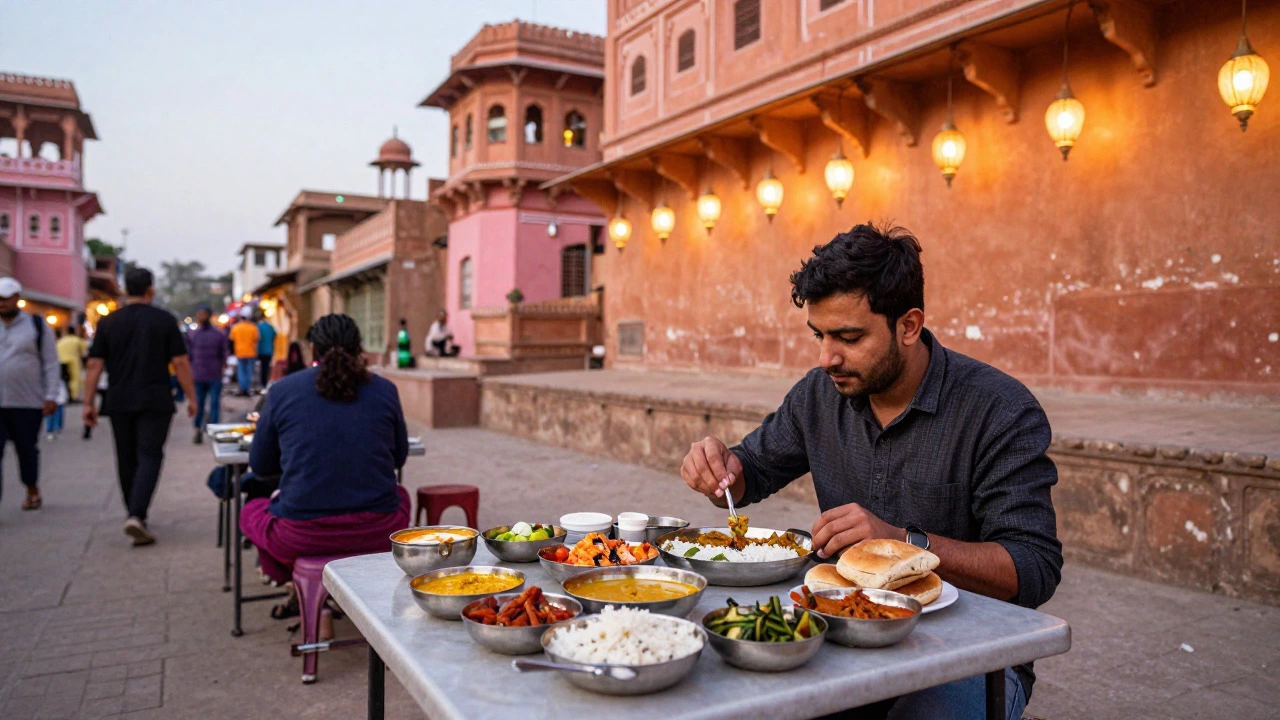
- Accommodation: A clean, private room in a reputable guesthouse or a standard hotel in a city like Jaipur or Varanasi costs between ₹1,500 and ₹2,500 ($18-$30). In hostels, a bed can be found for ₹500-₹800 ($6-$10).
- Food: Eating well does not require expensive restaurants. Three meals a day at local eateries or mid-range cafes will cost around ₹800-₹1,200 ($10-$15). This includes fresh fruits, vegetarian thalis, and occasional meat dishes if you eat non-veg.
- Transport: Using app-based ride-hailing services like Ola or Uber for short trips within a city averages ₹100-₹200 per ride ($1.20-$2.40). Intercity trains, especially sleeper class, are incredibly cheap. A 10-hour train journey might cost only ₹500-₹800 ($6-$10).
- Activities & Tips: Entry to major sites like the Taj Mahal costs about ₹1,100 ($13) for foreigners. Tipping is customary but modest; leaving ₹50-₹100 ($0.60-$1.20) at a restaurant or for a guide is appreciated.
With $50 a day, you still have leftover cash for souvenirs, unexpected expenses, or upgrading to a nicer dinner. This demonstrates the immense value your dollar holds in the Indian economy.
Where Your Money Stretches Further: Regional Differences
Not all of India is priced equally. The cost of living varies significantly between metropolitan hubs and rural areas. Understanding these differences helps you maximize your budget.
Metropolitan Cities (Mumbai, Delhi, Bangalore): These cities have higher prices for accommodation and dining, especially in upscale areas. However, they offer better infrastructure, more English speakers, and efficient transport apps. Even here, street food remains cheap, but a hotel room near the business district in Mumbai might cost twice as much as one in a smaller town.
Tourist Hubs (Jaipur, Udaipur, Goa): These places cater heavily to tourists. Prices for hotels and tours are competitive due to high supply, but you must negotiate for taxis and rickshaws. Goa, being a beach destination, has a mix of extremely cheap local options and very expensive international-style resorts. Stick to local shacks for food to keep costs down.
Rural and Lesser-Known Areas (Himachal Pradesh, Odisha, Northeast India): Here, your dollar goes the furthest. Homestays can cost less than $10 per night, including home-cooked meals. Transport might be slower, but the experience is authentic and deeply cultural. In these regions, $50 can easily cover two days of luxurious comfort by local standards.
Smart Ways to Handle Currency in India
Getting the best value out of your dollars starts with how you exchange them. Avoid exchanging money at airports unless you need immediate cash for a taxi. Airport rates are typically 5-10% worse than city banks.
- ATM Withdrawals: Using a debit card from an ATM is usually the most convenient method. Most ATMs in India dispense cash in multiples of ₹100. Check with your bank about foreign transaction fees before you travel. Many international banks waive these fees for premium accounts.
- Credit Cards: Major credit cards (Visa, Mastercard) are accepted in hotels, large restaurants, and malls. Always choose to pay in the local currency (INR) rather than letting the terminal convert it to USD. Dynamic Currency Conversion (DCC) often hides poor exchange rates.
- Digital Payments: India is rapidly moving toward a cashless society. Apps like Google Pay, PhonePe, and Paytm are ubiquitous. While setting up a local account can be tricky for foreigners, some hotels and larger stores accept international digital wallets. Carrying cash is still essential for small vendors and rural areas.
- Negotiating: In markets, auto-rickshaws, and with tour guides, negotiation is part of the culture. Start by offering 50-60% of the quoted price and meet somewhere in the middle. This simple skill can save you significant amounts over a long trip.

Pitfalls to Avoid When Budgeting
While India is affordable, there are traps that can drain your wallet quickly. Being aware of these helps you maintain control over your spending.
The "Foreigner Price": In some tourist-heavy areas, vendors may quote a higher price initially assuming you don't know the local rates. Politely ask, "What is the local price?" or walk away and return later. Often, the second quote is much closer to reality.
Imported Goods: Don't expect cheap alcohol, tobacco, or branded clothing. India imposes heavy taxes on imported items. A bottle of wine or beer can cost 3-5 times more than in the US. If you want to enjoy nightlife, factor this into your budget separately.
Healthcare Costs: Medical care in India is excellent and affordable compared to the West, but emergencies can still add up. Travel insurance is not optional; it is essential. A hospital stay for a severe case of dengue or typhoid might cost hundreds of dollars, which is still cheap globally but expensive locally.
Conclusion: Maximizing Your Travel Experience
Understanding that $1 equals roughly 84 INR is just the starting point. The true value lies in how you use that currency to access India's rich culture, cuisine, and landscapes. By staying in local accommodations, eating street food safely, and using public transport, you can explore vast distances without breaking the bank. Remember, the goal is not just to spend less, but to spend wisely-engaging with locals, supporting community businesses, and creating memories that last far longer than the trip itself.
Is it safe to carry large amounts of cash in India?
It is generally safer to carry moderate amounts of cash and use cards or digital payments where possible. Keep your cash in a money belt or hidden pouch. Avoid flashing large bundles of notes in public, especially in crowded markets. Use hotel safes for excess cash and passports.
Can I use US dollars directly in India?
No, the official currency is the Indian Rupee (INR). While some high-end hotels or exchange counters may accept USD, the rates are poor. It is best to exchange money at authorized dealers or withdraw INR from ATMs using your debit card.
How much should I tip in India?
Tipping is appreciated but not mandatory. In restaurants, a 10% tip is standard if service charge is not included. For porters, taxi drivers, or guides, ₹50-₹100 ($0.60-$1.20) is a generous amount. Small tips go a long way in showing appreciation for good service.
Are credit cards widely accepted in India?
Credit cards are accepted in urban areas, malls, hotels, and larger restaurants. However, in rural areas, small shops, and street vendors, cash is king. Always carry enough INR cash for daily expenses, especially when traveling outside major cities.
What is the best time to visit India for budget travelers?
The shoulder seasons (October-November and February-March) offer the best balance of good weather and reasonable prices. Avoid peak holiday periods like Diwali or Christmas/New Year if you want to find cheaper accommodation and fewer crowds.