How Much Should I Save for a Small Vacation? A Realistic Budget Guide
 Sep, 1 2026
Weekend Getaway Budget Planner
Enter your trip details to see the breakdown.
Your Savings Plan
To save this amount in:
- 6 Months: Save $/month
- 3 Months: Save $/month
- Weekly Goal: Save $/week
Most people overestimate the cost of a short trip and underestimate how quickly small expenses add up. You might think you need $1,000 to escape for three days, but with smart choices, you can often pull off a memorable weekend getaway for half that amount. The real question isn't just "how much," but "what kind of experience" you want. Are you chasing luxury or looking for rest? This guide breaks down the actual numbers so you can stop guessing and start saving.
The Core Components of Your Trip Cost
To get a realistic number, we need to strip away the vague idea of "travel money" and look at the specific buckets where your cash goes. Every vacation, no matter how short, has four non-negotiable pillars: transportation, accommodation, food, and activities. If you miss one, you'll likely dip into emergency funds by day two.
Transportation is usually the biggest variable. For a local drive, calculate fuel and wear-and-tear (about $0.50 per km). For flights, prices fluctuate wildly based on timing. Booking domestic flights 3-4 weeks in advance often saves 20-30% compared to last-minute purchases. If you're taking a train, remember that scenic routes cost more than commuter lines. Always factor in the "last mile"-the taxi from the airport to your hotel can sometimes cost as much as the flight itself if you aren't careful.
Accommodation is the second pillar. Here, location trumps luxury every time. Staying 10km outside the city center might save you $50 a night, but if it costs you $30 in transport and an hour of your life daily, is it really cheaper? Use this rule of thumb: spend no more than 30% of your total budget on lodging. If your total budget is $600, cap your hotel spend at $180-$200. That means hostels, budget motels, or sharing an Airbnb are not just options-they're necessities for keeping costs down without sacrificing comfort.
Daily Spending Habits That Break Budgets
Food and entertainment are where budgets die quietly. It’s rarely the big dinner that hurts; it’s the $6 coffee, the $15 snack bar, and the impulse buy at the gift shop. To control this, set a daily "spending cap." For a modest trip, aim for $40-$60 per person per day for food and fun. This covers breakfast at the hotel, a packed lunch, a casual dinner, and maybe one paid activity like a museum entry or a boat tour.
Here’s a practical way to structure your daily allowance:
- Morning: Eat at the accommodation if included. If not, grab a bakery pastry ($3-$5) instead of a cafe brunch ($15).
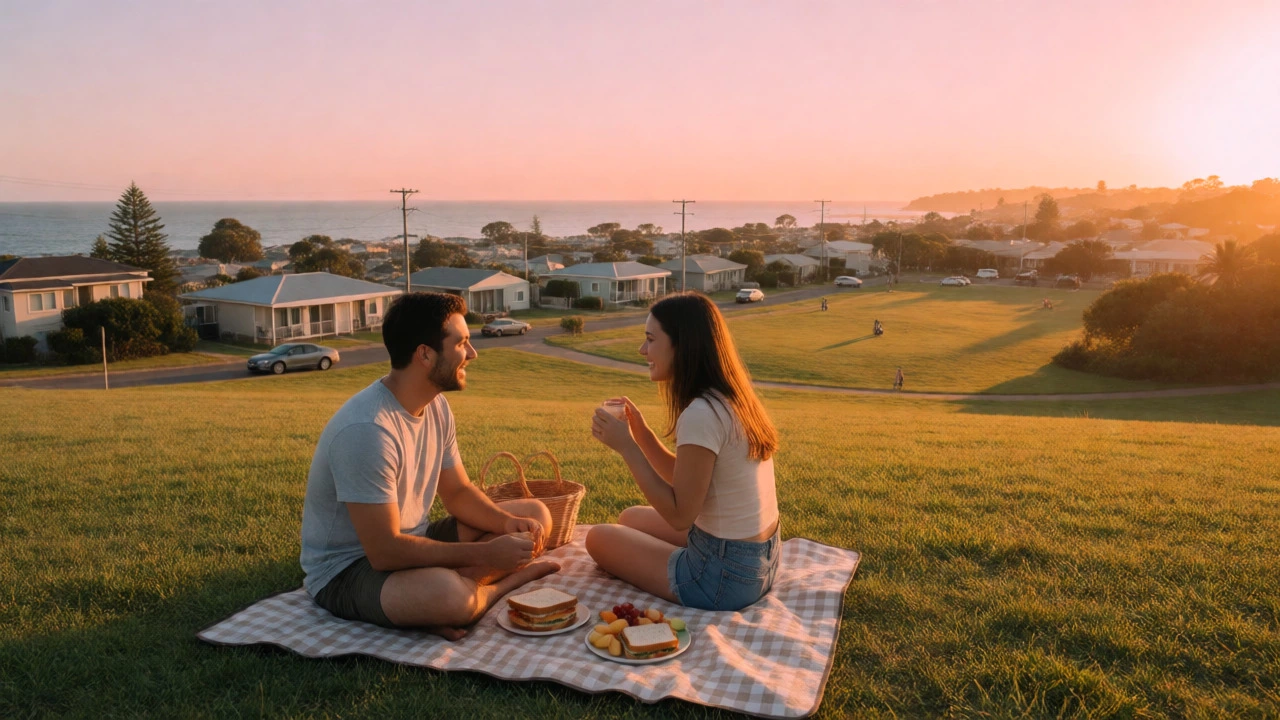
- Midday: Pack a picnic. Local supermarkets sell fresh sandwiches and fruit for under $10 total. Eating outdoors is free and often nicer than a tourist trap restaurant.
- Evening: Choose one main meal out. Look for places where locals eat, usually indicated by menus in the local language only and no photos of the food on the menu board.
- Activities: Pick one "big" thing per day. Walk around the city for free. Hike a trail for free. Visit a public park for free. Save the paid attraction for the afternoon when energy dips.
Real-World Budget Scenarios
Let's put numbers to these concepts. Below are three common scenarios for a 3-day, 2-night trip for one person. These estimates assume you are traveling within a region with moderate costs (like New Zealand, Australia, or parts of Europe/US).
| Expense Category | Budget Backpacker | Middle Ground | Comfort Seeker |
|---|---|---|---|
| Transport | $50 (Bus/Train + Walk) | $150 (Car Fuel/Tolls) | $300 (Flight + Taxi) |
| Accommodation | $80 (Hostel/Camping) | $200 (Airbnb/Motel) | $400 (Boutique Hotel) |
| Food & Drink | $90 (Cooked meals/Snacks) | $180 (Mixed dining) | $300 (Restaurants/Bars) |
| Activities | $20 (Free sights) | $100 (Tours/Tickets) | $250 (Spa/Exclusive tours) |
| Total Estimated Cost | $240 | $630 | $1,250 |
Notice the gap between the middle ground and the comfort seeker. The difference isn't just quality; it's convenience. Paying for a central hotel saves walking time. Paying for a guided tour saves research time. Decide what you value more: cash or time.
The Hidden Costs You Must Include
Travelers often forget the "invisible" costs. These are the line items that don't show up in brochures but hit your bank account hard.
Insurance is critical. Even for a weekend trip, medical emergencies happen. A basic policy costs $10-$20. Skipping it to save ten dollars risks thousands in liability. Also, consider Parking Fees. In cities, parking can cost $20-$40 per night. Research this before booking a car rental; sometimes dropping the car at a park-and-ride station outside the city is cheaper than downtown parking.
Then there's the "buffer fund." Unexpected things happen. You might need to change a ticket, buy an umbrella because it rains, or tip a guide who went above and beyond. Add 10% to your calculated total. If your math says $600, save $660. This buffer prevents stress, which is the quickest way to ruin a vacation vibe.
Strategies to Lower Your Savings Target
You don't have to be rich to travel well. You just have to be strategic. Here are three tactics that cut costs significantly without making the trip feel cheap.
- Travel Off-Peak: Prices drop by 20-40% during shoulder seasons (spring/fall). Flights are cheaper, hotels are emptier, and attractions are less crowded. If you can take leave in October or April instead of December or July, your budget stretches further.
- Leverage Loyalty Programs: Most airlines and hotel chains offer points. If you fly domestically often, consolidate your bookings with one alliance. Two years of small business trips could pay for a family holiday. Check your credit card rewards too-many offer travel credits that expire if unused.
- Choose Free Activities: Cities are full of free culture. Museums often have free entry days. Parks, beaches, and historic districts require no tickets. Plan one paid activity per day and fill the rest with exploration. This keeps the budget low while maximizing immersion.
When to Start Saving?
If you know your travel dates, open a separate savings account now. Automate a transfer every payday. Seeing the balance grow reduces anxiety. If you don't have dates yet, aim to save $100 a month. In six months, you have $600-that's a solid middle-ground weekend trip. Consistency beats intensity. Saving $20 a week is easier than trying to scrape together $500 in a panic when a sale pops up.
Ultimately, the right amount to save depends on your values. Do you care about the view from the window or the taste of the wine? Prioritize accordingly. A $300 trip where you disconnect and relax is worth more than a $1,000 trip where you worry about the bill. Set your limit, stick to the plan, and enjoy the break.
Is it cheaper to drive or fly for a weekend trip?
For distances under 500km, driving is almost always cheaper and faster when you account for airport security wait times and transfers. Flying becomes competitive only if you find a significant fare deal and avoid checked bag fees. Always compare the total door-to-door cost, including fuel, tolls, and parking.
How much should I budget for food per day?
A safe average for a mixed approach (some cooking, some eating out) is $40-$60 per person per day in most Western countries. If you strictly cook groceries, you can lower this to $20-$30. If you dine at mid-range restaurants for every meal, expect to spend $80+ per day.
Do I need travel insurance for a short trip?
Yes. While health risks are low for short trips, insurance also covers trip cancellation, lost luggage, and delayed flights. A minor injury requiring urgent care abroad can cost thousands, whereas a weekend policy typically costs $10-$20. It protects your investment in the trip itself.
What is the best way to find cheap accommodation?
Use aggregator sites to compare prices across platforms, then book directly with the provider if possible to avoid service fees. Consider staying slightly outside the main tourist hub, provided there is reliable public transport. Hostels and guesthouses often offer better value than hotels for solo travelers or couples.
Should I use cash or cards for a weekend getaway?
Use cards for larger expenses like hotels and dinners to earn rewards and track spending easily. Carry a small amount of cash for tips, markets, or rural areas where card terminals may fail. Avoid exchanging large amounts of currency at airports due to poor rates; use ATMs locally or multi-currency debit cards.