Is $500 Enough for a Weekend Trip? Real Costs, Real Places
 Feb, 3 2026
Weekend Trip Budget Calculator
Plan Your $500 Weekend Trip
Budget Breakdown
Can you really get away for a weekend on just $500? Not if you're thinking luxury hotels and fancy dinners. But if you know where to look, $500 can take you somewhere real - somewhere that feels like a break, not a chore. I’ve done it. Not once, but a dozen times, from the coast to the mountains, and even a few hidden towns just outside Auckland. It’s not magic. It’s just smart choices.
Where $500 Takes You
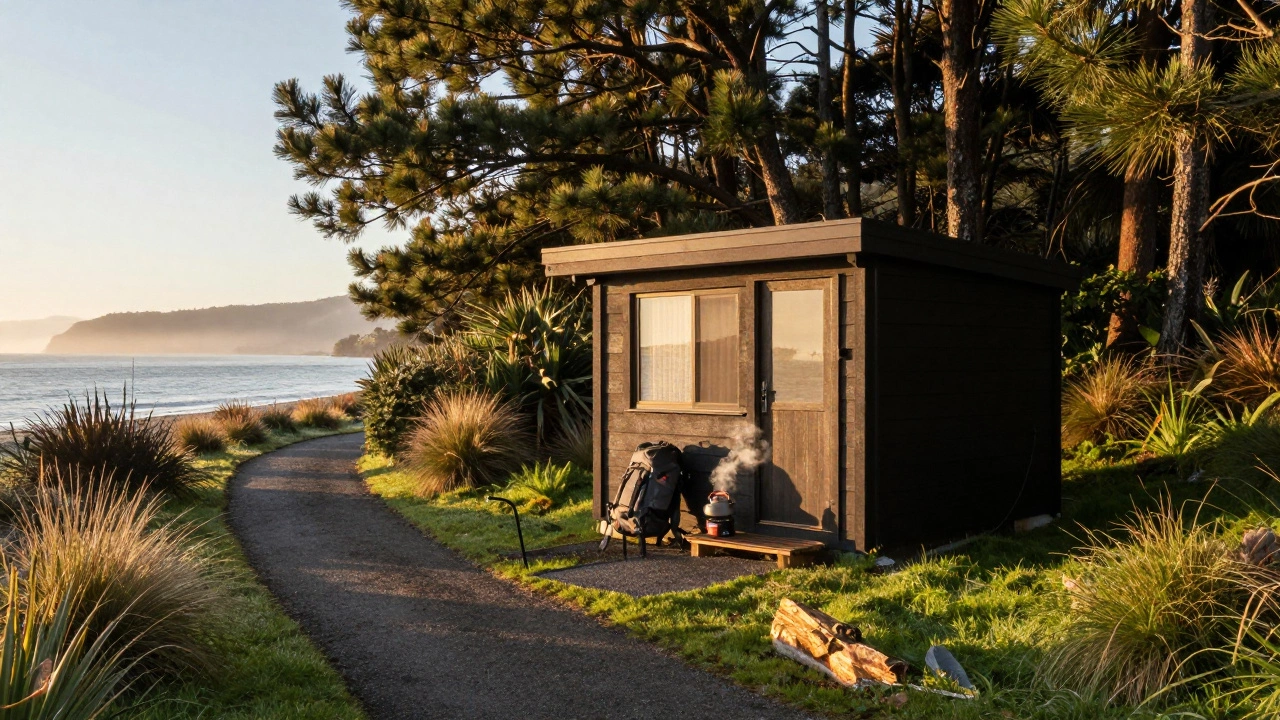
Let’s be clear: $500 isn’t enough for a flight to Bali or a hotel in Queenstown’s luxury district. But it’s more than enough for a weekend in Coromandel, Taupō, or Waiheke Island. These places don’t need fancy labels to be worth it. You can sleep in a basic cabin, eat local food, hike a beach trail, and still have cash left for coffee and ice cream.
Here’s how it breaks down for a two-person trip (splitting costs makes everything easier):
- Accommodation: $120-$180 for a basic cabin or Airbnb with a kitchen. Hostels run $40-$60 per person. Camping? As low as $25 per night.
- Fuel: $40-$80 round trip, depending on distance. Coromandel? $50. Taupō? $70. Waiheke? $30 (ferry included).
- Food: $100-$150. Cook your own meals. Buy bread, cheese, fruit, and local fish from markets. Skip restaurants. One nice meal out? Fine. Two? That’s where the budget breaks.
- Activities: $30-$60. Hiking is free. Hot springs in Taupō? $15. Kayaking? $40. Beach access? Always free.
- Extras: $20-$50. Snacks, souvenirs, a cold drink after a hike. That’s it.
That’s $400-$450. You’ve got $50-$100 left. That’s your buffer. For a flat tire. For an extra night. For a surprise dessert.
What You’re Not Paying For
You won’t find room service. No spa. No minibar. No bellhop. And honestly? You don’t miss any of it. What you get instead is silence. A sunrise over the sea. A trail that leads nowhere, but feels like everything. A local bakery that sells pies for $4. A stranger who tells you about a hidden waterfall.
People think budget travel means sacrificing comfort. It doesn’t. It means trading luxury for authenticity. You’re not sleeping in a hotel with a view - you’re sleeping in a cabin with a view you chose. You’re not eating at a restaurant with a menu - you’re eating a sandwich made with ingredients you picked up at a roadside stall.
Where to Go on $500
Here are three real places you can reach with $500 - no fluff, no hype.
Coromandel Peninsula
Two hours from Auckland. You can camp at Shoal Bay for $25 a night. Walk the Coromandel Coastal Walk - free. Eat fish and chips from the van on the main road - $12. Fill up your car - $45. That’s $82 on day one. Two nights? $50. Coffee and a chocolate bar? $10. Total: $182. You’ve got $318 left. Go for a swim. Buy a handmade bracelet. Take a nap under a tree. You’re not poor. You’re free.
Taupō
Four hours away. Stay at a Department of Conservation campsite - $15 per person. Drive there - $70. Eat at the Taupō Farmers Market - buy cheese, apples, and bread - $25. Walk around Lake Taupō - free. Swim in the hot springs at Wairakei - $15. One dinner out? $40. Total: $170. You still have $330. Use it to rent a kayak for an hour. Or buy a book from the local bookstore. Or just sit on the lake’s edge and watch the clouds.
Waiheke Island
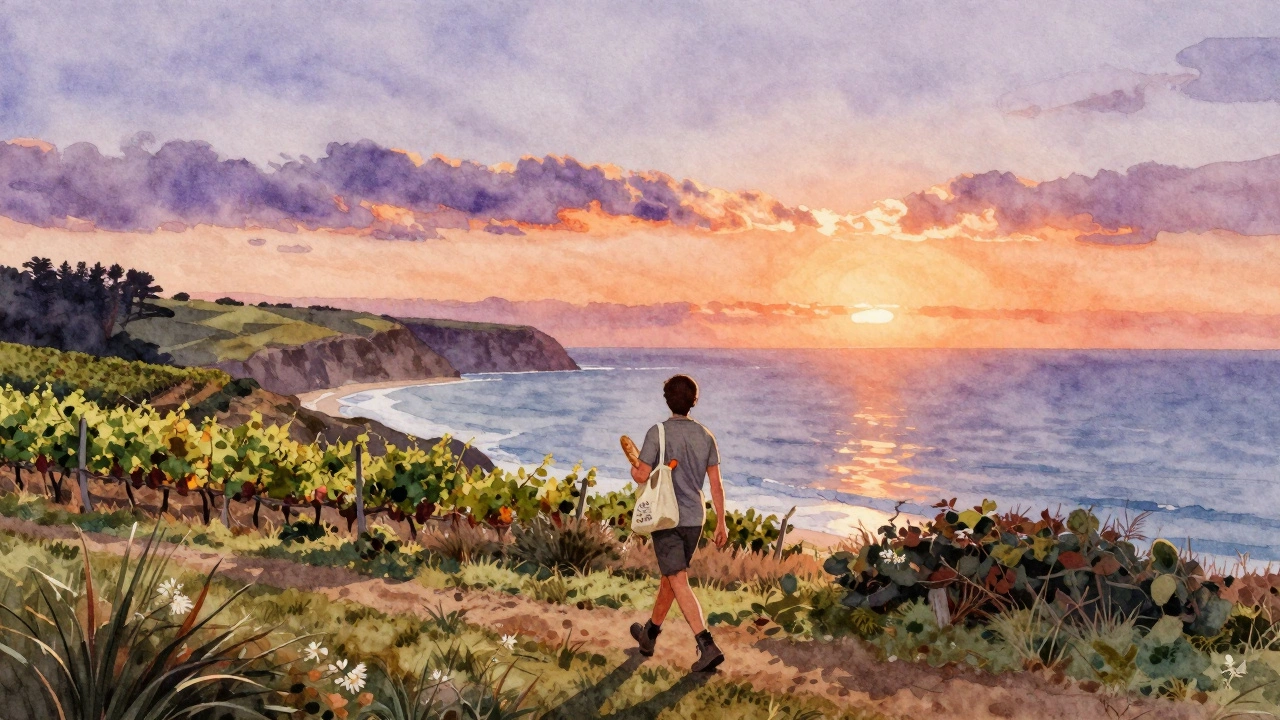
35-minute ferry from downtown Auckland. Return ferry: $40. Stay in a basic studio apartment - $120. Bring your own food. Eat at the Onetangi Beach picnic tables. Walk the Waiheke Coastal Walk - free. Visit a vineyard that lets you taste for $5. That’s $170. You’ve got $330 left. Walk the hills. Find a quiet spot. Drink wine from a plastic cup. Nobody’s watching. Nobody’s judging. You’re not on vacation. You’re breathing.
What Not to Do
Don’t book a hotel because it has a pool. Don’t eat at a place just because it’s on Instagram. Don’t rent a car just because you think you need it. Don’t buy souvenirs you don’t need. Don’t try to do everything. You’re not on a checklist. You’re on a break.
One mistake I made: I tried to do three places in two days. I ended up driving for six hours and eating takeout in the car. I didn’t feel relaxed. I felt tired. That’s not a getaway. That’s a commute with a view.
Do one thing. Do it slowly. Sit. Listen. Look up.
Why $500 Works
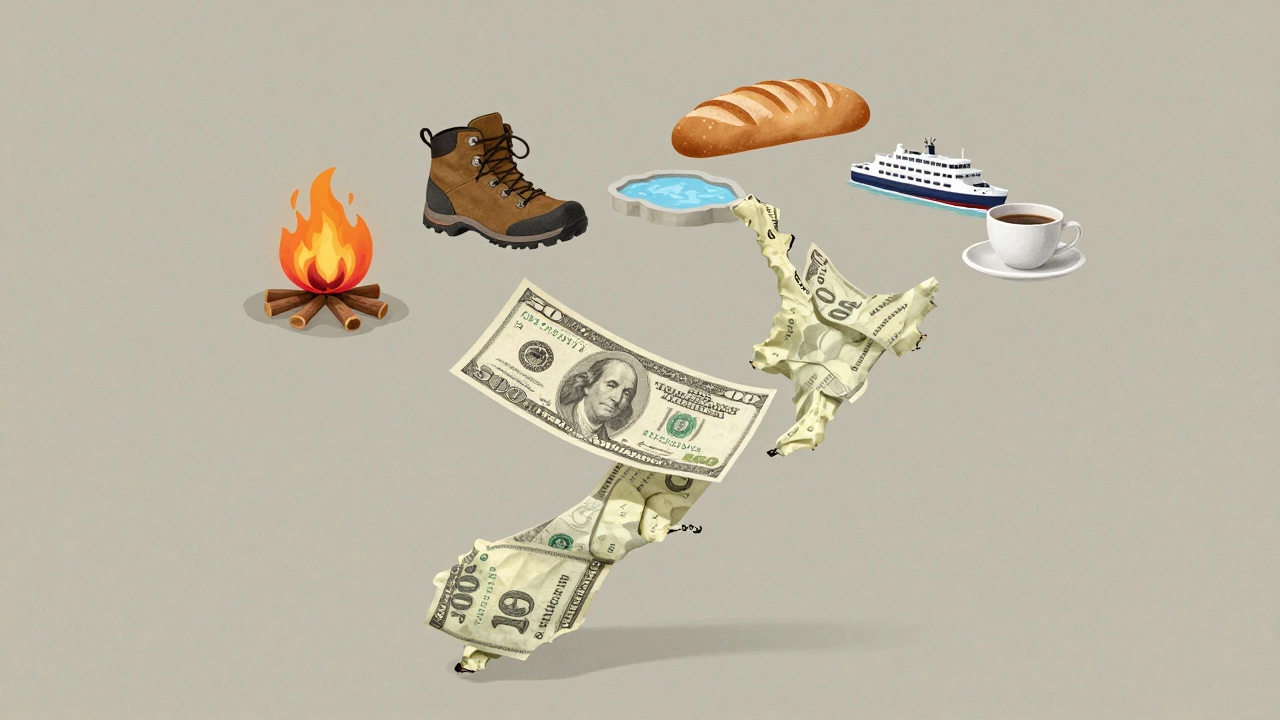
It’s not about how much money you have. It’s about how you use it. $500 isn’t a limit - it’s a filter. It forces you to choose what matters.
When you’re forced to cook your own food, you start noticing how good local cheese tastes. When you walk instead of drive, you notice the birds. When you sleep in a cabin with no TV, you start remembering how to be quiet.
This isn’t about being cheap. It’s about being present.
What You’ll Gain
You won’t come back with a dozen photos of your face in front of a landmark. You’ll come back with a memory of the smell of salt after rain. The sound of your own breathing on a quiet trail. The way the light hits the water at 7 a.m. when no one else is around.
You’ll realize you don’t need much to feel like you’ve been away. Just a little space. A little time. A little quiet.
Final Thought
$500 isn’t enough for a luxury trip. But it’s more than enough for a real one. You don’t need a big budget to feel like you’ve escaped. You just need to know where to look - and the courage to leave the checklist behind.
Can I do a weekend trip on $500 if I’m traveling alone?
Absolutely. Solo travel cuts costs in half for accommodation and food. A campsite costs $15-$25. A simple Airbnb is $80-$120. Cooking your own meals brings food costs down to $40-$60. Fuel stays the same. You’ll easily stay under $400, leaving room for a coffee, a hike, or a small treat. Traveling alone doesn’t mean being lonely - it means being free.
What if I want to include a ferry or train?
Ferries like the one to Waiheke Island cost about $40 round trip. Regional trains (like the ones to Taupō or Napier) can be $60-$90 one way, which pushes your budget tight. If you’re set on public transport, plan ahead. Book early. Look for weekend deals. Or, skip the train and drive with a friend. Sharing fuel and tolls makes it much easier to stay under $500.
Are there free activities on these trips?
Yes - and they’re the best parts. Hiking trails, public beaches, lakeside walks, nature reserves, and coastal lookouts are all free. Coromandel’s Hot Water Beach, Waiheke’s vineyard views, and Taupō’s lakeside paths don’t charge entry. Bring a picnic. Bring a book. Bring silence. That’s all you need.
Should I book accommodation in advance?
Yes - especially if you’re staying in a cabin, Airbnb, or campsite. Weekend spots fill up fast. Book 2-3 weeks ahead. You’ll find better prices and avoid last-minute markups. Don’t wait until Thursday night to look for Friday’s stay. That’s when prices jump - and availability drops.
Can I stretch $500 to three days?
Yes, if you’re flexible. Extend your trip by leaving on a Thursday night or returning on a Monday. Off-peak days often mean cheaper accommodation and lighter traffic. A three-day trip with two nights of camping and one night in a budget lodge is doable for $480 if you cook all your meals and skip expensive activities. Just don’t plan to do much - rest is part of the trip.
What’s the biggest mistake people make on a $500 trip?
Trying to do too much. People think they need to pack in sightseeing, dining, shopping, and activities. That’s not a getaway - that’s a schedule. The best $500 trips are the ones where you do one thing well: walk a beach, sit by a lake, sleep under stars. Less is more. And quiet is priceless.
Next Steps
If you’ve got $500 and a weekend free, here’s what to do next:
- Pick one place - not three. Coromandel, Taupō, or Waiheke.
- Look up campsites or budget stays on Bookings.com or AirDNA. Filter by price.
- Plan your meals. Buy groceries before you leave.
- Check the weather. Pack layers. Bring a towel. A hat. A book.
- Leave your phone on silent. Or better yet, leave it in the car for an hour.
You don’t need more money. You just need to go.