Is India Cheap for US Citizens? Real Costs in South India (2026)
 Aug, 21 2026
India Trip Cost Estimator for US Citizens (2026)
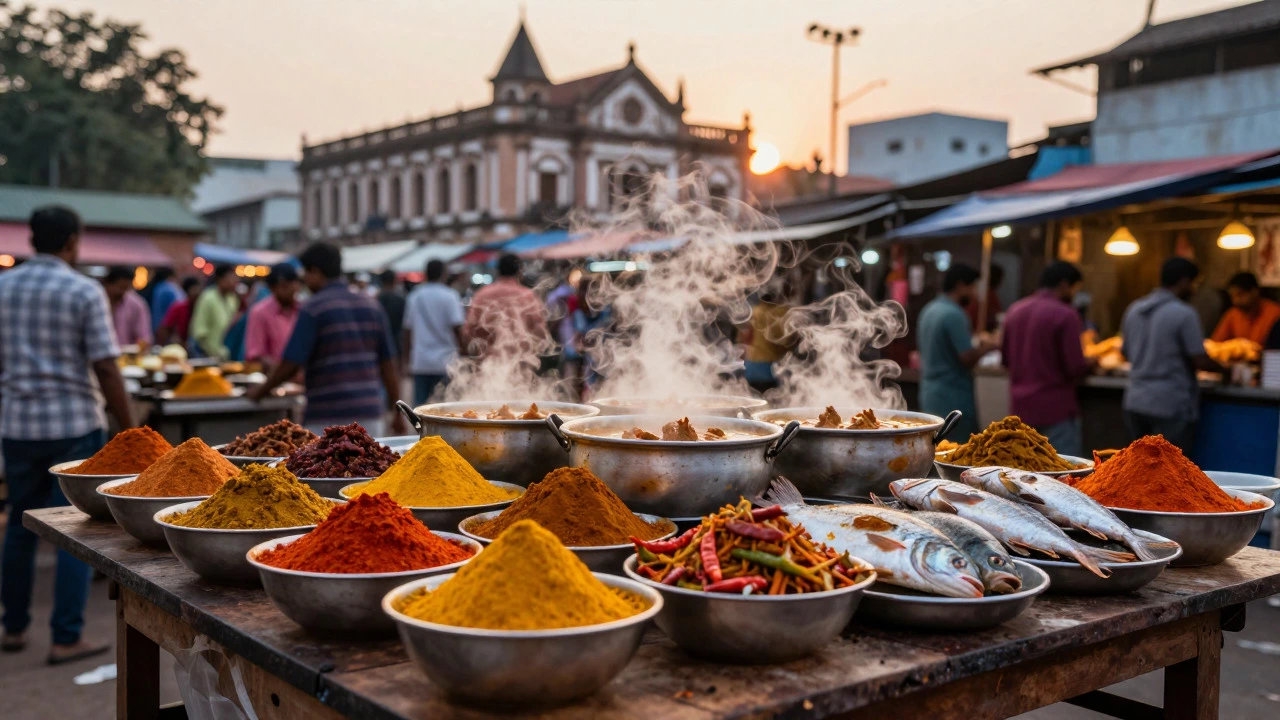
Walking through the streets of Kochi, you might see a street vendor selling a plate of spicy fish curry for less than what you’d spend on a single coffee in New York. For many American travelers, this price gap is the primary hook. But is India truly cheap for US citizens in 2026? The short answer is yes, but with significant caveats regarding visas, airfare, and the rising cost of "tourist" experiences.
The value proposition has shifted. While basic necessities remain affordable, the premium for convenience, safety, and speed has increased. Understanding where your dollars stretch further-and where they evaporate quickly-is crucial for planning a trip that feels luxurious without breaking the bank.
The Visa Factor: Where the Budget Starts
Before you even book a flight, you need to account for the Indian e-Visa. This is often the first surprise for US passport holders. Unlike some Southeast Asian countries that offer free or visa-on-arrival options, India requires an electronic visa application.
As of 2026, the standard 30-day double-entry tourist e-Visa costs approximately $40 to $50 USD, depending on processing times and current government fee structures. A longer-term 1-year multiple-entry visa runs closer to $80. While not exorbitant, it’s a fixed upfront cost that doesn’t exist in many other popular budget destinations like Thailand or Vietnam. You must apply online at least 4 days before arrival, though applying 7-10 days prior is safer to avoid last-minute glitches.
Daily Expenses: Food, Stay, and Transport
Once you land, the daily spending power of the US dollar increases dramatically. The exchange rate typically hovers around 83-85 INR per 1 USD in 2026. This means $100 gets you roughly 8,500 rupees, which is a substantial amount for local services.
Food: Eating out is one of the biggest savings. In South India, a thali (a platter of various dishes) at a mid-range restaurant costs between 300-500 INR ($3.50-$6). Street food, such as dosas or vadas, can be found for under 100 INR ($1.20). If you dine at upscale hotels or international chains, expect to pay $15-$30 per person, which is still cheaper than most US cities.
Accommodation: The range is wide. A clean, private room in a guesthouse in places like Madurai or Coimbatore might cost $20-$30 per night. Mid-range hotels with pools and breakfast in Kochi or Bangalore run $50-$80. Luxury properties in heritage locations can exceed $200, but even these are significantly cheaper than comparable US resorts.
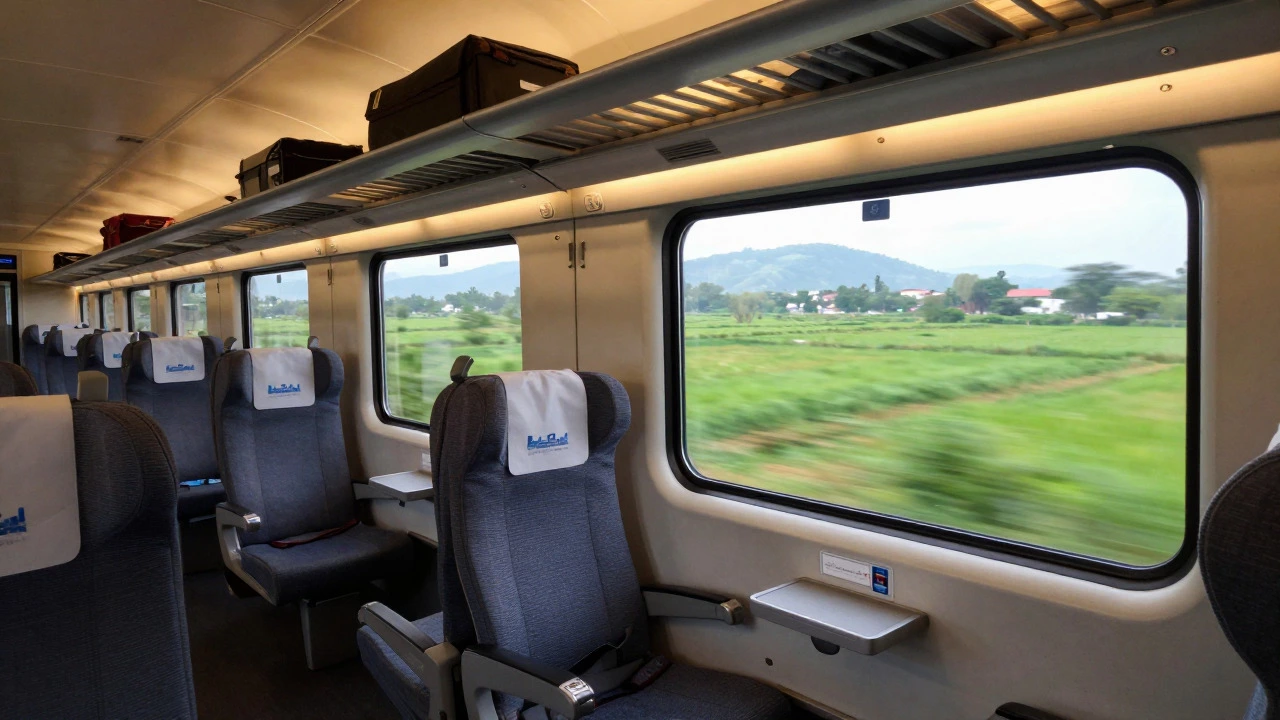
Transport: Local transport is incredibly cheap. Auto-rickshaws handle short distances for $1-$3. For inter-city travel, trains are the backbone. A second-class sleeper ticket from Chennai to Bangalore costs less than $10. However, if you choose domestic flights, prices vary wildly based on booking time, often ranging from $50 to $150 for a one-way leg.
Hidden Costs: What Makes It Expensive?
It’s easy to get caught up in the low prices of street food and miss the areas where costs spike. Here is where your budget might take a hit:
- Airfare: Round-trip flights from the US to India usually range from $800 to $1,200. This is the single largest expense for most travelers.
- Tour Packages: Hiring a private driver or joining a guided tour adds up quickly. A day tour to Hampi or Alleppey backwaters with a guide can cost $100-$150 per person, including entry fees.
- Alcohol: Excise duties make alcohol expensive. A bottle of domestic beer might cost $4-$5, while imported spirits can double that price. There are also strict state-level regulations on sale hours.
- Internet: While Wi-Fi is available in hotels, speeds can be inconsistent. Buying a local SIM card is cheap ($10-$15), but data plans may have lower caps compared to US standards.
South India Specifics: Value Hotspots
If you are focusing on South India, you’re choosing a region that offers high cultural value for money. Cities like Chennai serve as major hubs with modern amenities, while smaller towns like Madurai offer ancient temples and a slower pace at lower costs.
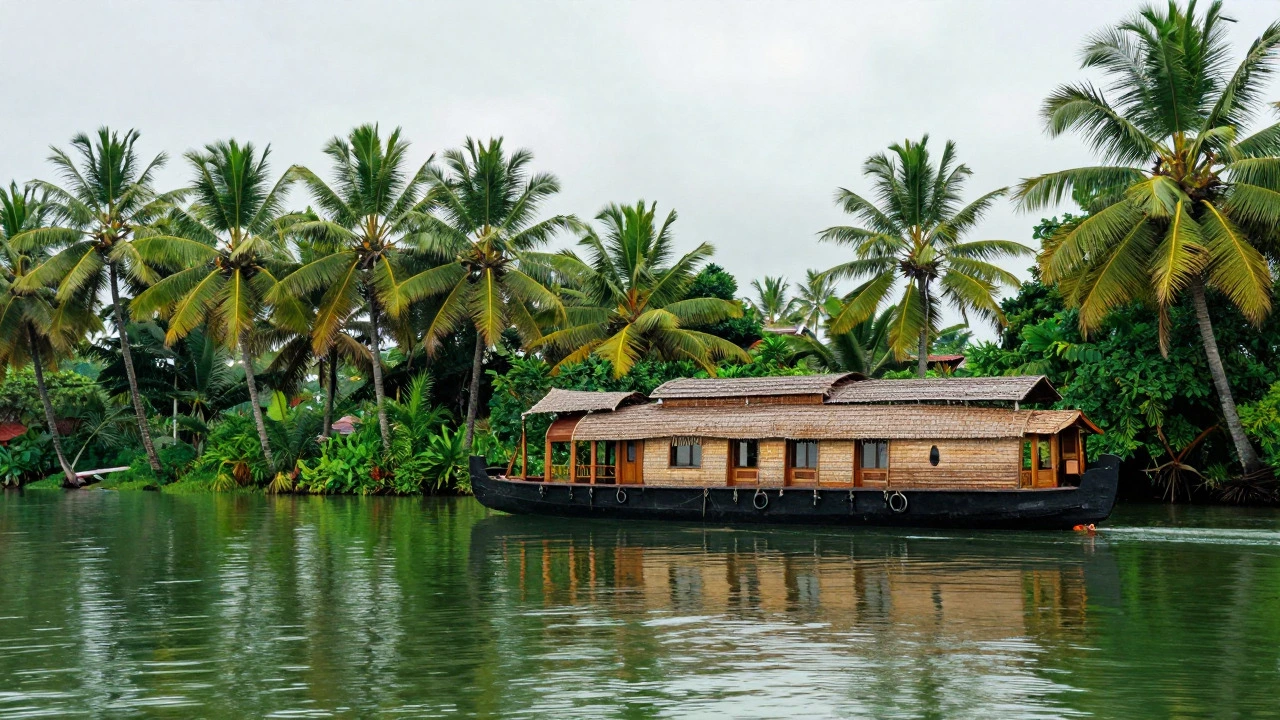
In Kerala, the famous houseboat stays in Alleppey have become a premium product. A luxury houseboat can cost $200+ per day, but standard options start around $80-$100. This is a great example of how a "budget" destination can have premium pricing for specific iconic experiences.
Compare this to North India, where Delhi’s traffic and pollution might drive you toward more expensive cab rides, whereas South India’s cleaner coastal roads and efficient metro systems in cities like Chennai and Bangalore keep transportation costs lower.
Practical Tips for Maximizing Value
To ensure your trip remains affordable, follow these strategies:
- Book Flights Early: Airfare fluctuates. Booking 2-3 months in advance usually secures the best rates.
- Mix Accommodations: Spend nights in boutique guesthouses for authenticity and save on big-name hotel chains when you want comfort.
- Use Trains for Long Distances: The Indian Railways network is extensive. First AC classes are comfortable and much cheaper than flying.
- Cash is King (Initially): While UPI (digital payments) is ubiquitous, small vendors and rural areas still prefer cash. Withdraw INR from ATMs upon arrival to avoid high currency exchange fees.
- Negotiate Taxis: Use apps like Uber or Ola for transparent pricing, but agree on fares before getting into auto-rickshaws outside city centers.
Is It Worth It Compared to Other Destinations?
When comparing India to other Asian destinations, it holds its own. Japan and Singapore are significantly more expensive. Southeast Asia (Thailand, Bali) is cheaper for food and accommodation but often lacks the historical depth and scale of Indian heritage sites. India offers a unique blend of affordability and intensity. You can visit UNESCO World Heritage sites, enjoy world-class cuisine, and experience vibrant culture for a fraction of the cost of a European or East Asian trip.
The key is managing expectations. If you expect Western-level service speed and hygiene everywhere, you will feel frustrated and likely pay more for "premium" services. If you embrace the local rhythm, India becomes an incredibly rich and affordable destination.
How much money do I need for a 10-day trip to India?
Excluding international flights, a comfortable mid-range trip for 10 days should cost between $1,500 and $2,500 USD. This covers accommodation, food, local transport, and entrance fees. Budget travelers can manage with $1,000-$1,500 by staying in hostels and eating street food.
Is it safe for solo female travelers in South India?
Yes, South India is generally considered very safe for solo female travelers. Cities like Chennai, Kochi, and Bangalore have good infrastructure, reliable police presence, and a culture that is relatively progressive. Standard precautions apply, such as avoiding isolated areas at night and using reputable transport.
What is the best time to visit South India?
The best time is October to February. The monsoon season (June to September) brings heavy rains, which can disrupt travel plans and make outdoor activities difficult. Winter months offer pleasant weather ideal for temple visits and beach trips.
Do I need a vaccination for India?
While no vaccinations are strictly required for entry, health experts recommend being up-to-date on routine vaccines. Hepatitis A and Typhoid are commonly recommended for travelers who plan to eat street food. Consult a travel clinic 4-6 weeks before departure.
Is tipping mandatory in India?
Tipping is not mandatory but is appreciated. In restaurants, a service charge of 5-10% is often added to the bill; if so, additional tipping isn't necessary. For guides, drivers, and porters, tipping $2-$5 per day is a generous and common practice.