Is It Safe to Travel to Northeast India in July 2026? A Realistic Safety Guide
 Jul, 17 2026
Northeast India Safety & Permit Planner
Select Your Destinations
Check the states you plan to visit in July 2026.Your Trip Summary
Select states above to see your requirements.
You’ve probably seen the headlines. For years, news reports have painted Northeast India as a place of unrest, border skirmishes, and strict permit requirements. If you are planning a trip for late 2026, that old narrative might be stopping you in your tracks. But here is the reality on the ground: for the vast majority of tourists, the region is not only safe but incredibly welcoming. The question isn’t really "is it safe?"-it’s "are you prepared?"
I’m writing this from Auckland, where we’re used to thinking about safety in terms of weather warnings and traffic rules. In Northeast India, the calculus is slightly different. You aren’t fighting crime; you are navigating bureaucracy, monsoon rains, and cultural nuances. By mid-2026, the political landscape has stabilized significantly compared to previous decades. Most states like Assam, Meghalaya, and Nagaland have opened up their tourism boards aggressively. However, ignoring the specific protocols can still land you in trouble. Let’s break down what you actually need to know before you book that flight to Guwahati.
The Political Reality: Peace vs. Perception
It is crucial to separate media noise from daily life. While isolated incidents do occur, they are rarely targeted at foreigners. In fact, locals often view foreign visitors with curiosity rather than hostility. The major insurgent groups that once plagued the region have largely signed peace accords or reduced their operational capacity over the last five years.
In 2025 and early 2026, the Indian government continued its push for infrastructure development. Better roads mean faster police response times and less isolation for travelers. When you are driving from Shillong to Cherrapunji, you are surrounded by local families, school buses, and tea plantation workers. You are part of the community, not an outsider looking in. That said, vigilance is key. Avoid large political rallies, which are common during election cycles, and steer clear of areas near the Myanmar border unless you are with a licensed guide.
The Permit Maze: Inner Line Permits (ILP) & Restricted Area Permits (RAP)
This is where most travelers get stuck. Safety in Northeast India is heavily tied to compliance with entry regulations. Unlike the rest of India, you cannot just drive into every state. You need permits.
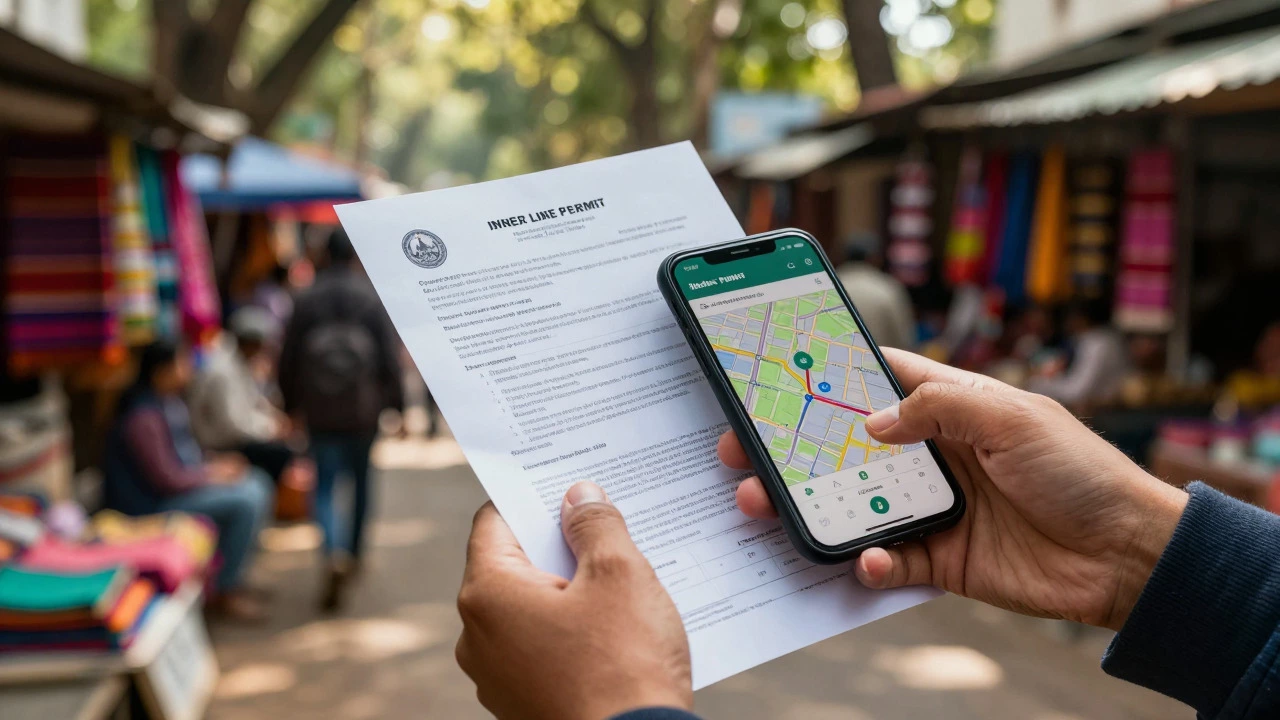
- Inner Line Permit (ILP): Required for Arunachal Pradesh, Mizoram, Nagaland, and Manipur. This is a document that allows Indian citizens and foreign nationals to enter these protected states.
- Restricted Area Permit (RAP): Required for specific zones within Sikkim and parts of Arunachal Pradesh near the border.
For foreign nationals, the process is stricter. You must apply through the Ministry of Home Affairs or authorized agents. In 2026, many states have moved to online applications, which speeds up the process, but you still need to carry physical copies. Losing your permit can lead to detention or fines. Always keep a digital backup on your phone and a printed copy in your daypack. Check the latest rules on the official tourism websites of each state, as policies can shift with seasonal security assessments.
| State | Permit Type | Difficulty Level | Key Notes |
|---|---|---|---|
| Assam | None | Easy | Open to all; no special documentation needed. |
| Meghalaya | None | Easy | Open to all; popular for cave trekking. |
| Tripura | None | Easy | Open to all; good for cultural tours. |
| Mizoram | ILP | Moderate | Apply online via MCTDC portal; processing takes 3-5 days. |
| Nagaland | ILP | Moderate | Foreigners need Protected Area Permit (PAP); apply via Kolkata office. |
| Arunachal Pradesh | PAP/RAP | Hard | Strictest rules; guided tours mandatory for foreigners. |
| Manipur | ILP/PAP | Variable | Check current security status; some districts may be closed. |
Monsoon Risks: The Real Danger
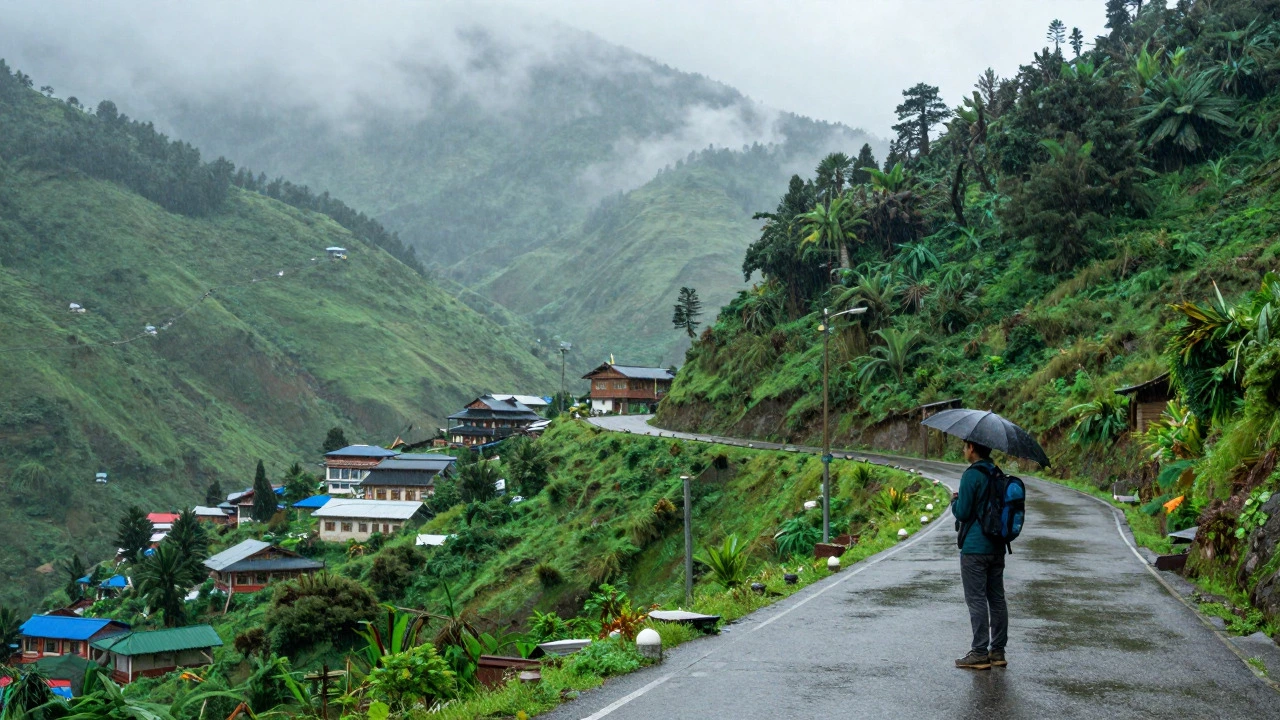
If you are traveling in July 2026, you are hitting the peak of the monsoon season. This is not a political risk; it’s a geological one. Northeast India receives some of the highest rainfall in the world. Mawsynram in Meghalaya holds the record for the wettest place on Earth.
The primary danger here is landslides. Roads in hilly areas like Sikkim and Arunachal Pradesh can become impassable overnight. Bridges wash out. Mobile networks fail. This is why having a flexible itinerary is non-negotiable. Do not schedule critical flights or train connections on days when heavy rain is forecasted. Local drivers know the terrain better than any app. If your driver says a road is unsafe, listen to them. Pushing through can result in being stranded for hours without food, water, or communication.
Also, be mindful of flash floods in river valleys. In Assam, the Brahmaputra River swells dramatically. Avoid camping near riverbanks or low-lying areas. Stick to elevated ground and reputable hotels that have emergency power supplies.
Health and Hygiene: Staying Well Abroad
Safety also means staying healthy. The tropical climate fosters mosquitoes, which carry diseases like dengue and malaria. In 2026, dengue cases have been reported in urban centers like Guwahati and Shillong. Prevention is simple but essential:
- Use DEET-based repellent generously, especially at dawn and dusk.
- Sleep under mosquito nets or in air-conditioned rooms.
- Drink only bottled or filtered water. Avoid ice cubes in street-side drinks.
- Carry a basic first-aid kit including oral rehydration salts, antiseptics, and anti-diarrheal medication.
Medical facilities in major cities are decent, but rural areas lack advanced care. If you have pre-existing conditions, ensure you have enough medication for the entire trip plus a buffer. Travel insurance that covers medical evacuation is highly recommended. It’s cheap peace of mind.
Cultural Etiquette: Respect as a Safety Tool
In Northeast India, culture is deeply tied to identity. Many communities are Christian-majority, unlike the Hindu-majority rest of India. Others follow traditional animist beliefs. Respecting these differences goes a long way in ensuring your safety and welcome.
Dress modestly. Shoulders and knees should be covered, especially when visiting churches, temples, or tribal villages. Ask permission before taking photos of people. Some tribes consider photography intrusive or spiritually harmful. A smile and a polite request go further than a camera lens. Also, avoid discussing sensitive political topics like border disputes or ethnic conflicts unless initiated by your host. Keep conversations light and focused on food, nature, and local crafts.

Best Practices for Solo Travelers
Solo travel is possible, but it requires extra caution. Women travelers, in particular, may face unwanted attention in crowded markets or on public transport. Here are some practical tips:
- Stay in well-reviewed guesthouses or hotels. Hostels are growing in popularity in Shillong and Guwahati, but check recent reviews for safety concerns.
- Share your itinerary with someone back home. Update them daily if possible.
- Use registered taxis or ride-hailing apps where available. Avoid hitchhiking.
- Keep a low profile. Flashy jewelry or expensive electronics can attract thieves.
- Learn a few phrases in the local language. Even a simple "thank you" in Bodo or Khasi shows respect and builds rapport.
When to Reconsider Your Trip
While Northeast India is generally safe, there are scenarios where you should postpone or cancel your plans. Monitor travel advisories from your home country’s foreign ministry. If your government issues a "Do Not Travel" warning for specific states, heed it. Also, if you hear reports of active conflict, curfews, or internet shutdowns in your destination, wait it out. These disruptions are rare but can happen. Flexibility is your best friend.
Finally, trust your instincts. If a situation feels off, leave. Don’t worry about offending anyone. Your safety comes first. Locals will understand if you prioritize your well-being.
Conclusion: Embrace the Adventure
So, is it safe to travel to Northeast India now? Yes, provided you do your homework. The region offers breathtaking landscapes, rich biodiversity, and warm hospitality that rivals any destination in Asia. The challenges are real but manageable. With proper permits, monsoon awareness, and cultural sensitivity, you can enjoy a transformative journey. Don’t let outdated fears keep you away. Pack your rain gear, secure your documents, and get ready to explore one of India’s most underrated treasures.
Do I need a visa to visit Northeast India?
Yes, foreign nationals need a standard Indian tourist visa. Additionally, certain states require Inner Line Permits (ILP) or Protected Area Permits (PAP). Check the specific requirements for each state you plan to visit.
Is it safe for women to travel alone in Northeast India?
Generally yes, but precautions are necessary. Women travelers should dress modestly, avoid walking alone at night, use trusted transportation, and stay in reputable accommodations. Harassment is less common than in some other parts of India, but vigilance is still advised.
What is the best time to visit Northeast India?
The best time is between October and April, when the weather is cool and dry. Monsoon season (June to September) brings heavy rains and landslide risks, making travel difficult and potentially dangerous.
Can I drive myself in Northeast India?
Self-driving is challenging due to narrow, winding roads and unpredictable weather. Hiring a local driver with a vehicle is recommended for safety and convenience. They know the routes and can navigate hazards effectively.
Are there any areas strictly off-limits to tourists?
Yes, border areas near China, Myanmar, and Bangladesh are restricted. You need special permits (RAP) and must be accompanied by a guide. Unauthorized entry can result in arrest. Always stick to designated tourist zones.