Mountaineering vs Trekking: Key Differences, Gear, and Best Spots in India
 Jul, 24 2026
Trekking vs Mountaineering: Interactive Comparison
Trekking
Long-distance walking over natural terrain. Focus on endurance, scenery, and culture.
- Goal Enjoy nature & reach viewpoints
- Skills Basic fitness & navigation
- Gear Boots, backpack, tent
- Risk Low to Moderate
Mountaineering
Technical sport involving vertical climbs. Requires specialized equipment and training.
- Goal Summit peaks via technical routes
- Skills Rope work, ice climbing, belaying
- Gear Crampons, ice axe, harness
- Risk High (Avalanches, falls)
Detailed Feature Comparison
| Feature | Trekking | Mountaineering |
|---|---|---|
| Primary Goal | Enjoy scenery, culture, and nature | Summit a peak via technical routes |
| Technical Skills | None required (basic fitness helps) | Rope work, ice climbing, navigation |
| Gear Complexity | Boots, backpack, tent, sleeping bag | Crampons, ice axe, harness, helmet |
| Risk Level | Low to Moderate | High |
| Typical Duration | 3 to 14 days | 2 weeks to several months |
| Cost Estimate | $200 - $600 per trip | $1,500 - $5,000+ per expedition |
Quick Decision Guide
Not sure which is right for you? Check out our recommendations below based on experience level and goals.
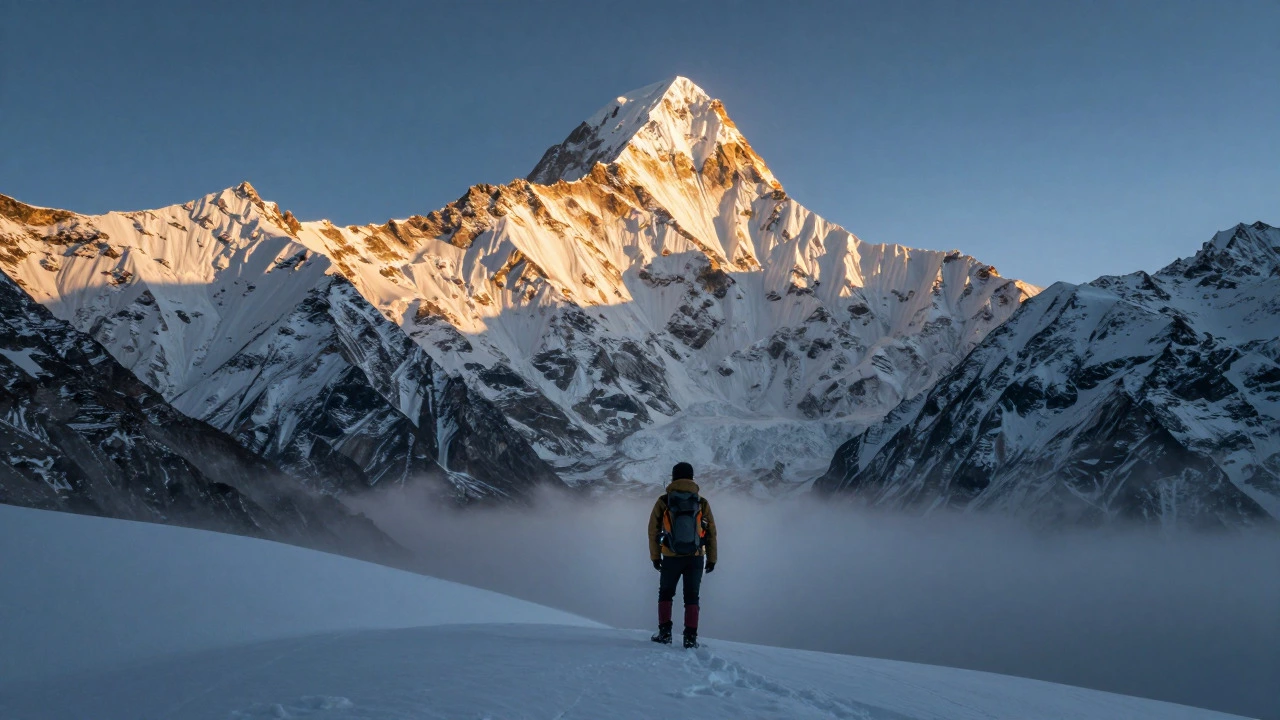
You stand at the base of a towering peak. The air is thin, the wind bites, and your heart races. Are you about to go on a scenic hike or attempt a technical climb? This is the core confusion for many adventurers. While both activities involve walking in mountains, trekking and mountaineering are fundamentally different experiences. One is about enjoying the journey; the other is about conquering the summit.
If you have ever scrolled through photos of people hanging off cliffs with ropes and wondered if that’s what 'hiking' means, you aren't alone. The terms get mixed up constantly. But knowing the difference saves you from buying expensive gear you don't need or, worse, underestimating a dangerous climb. Let's break down exactly how these two worlds differ, especially if you are looking at trekking places in India.
The Core Difference: Technical Skill vs. Endurance
At its simplest level, trekking is long-distance walking over natural terrain. You might carry a heavy backpack, walk for six hours a day, and sleep in tents or basic lodges. The path is usually established, even if it isn't paved. Think of it as a multi-day hike. Your main challenges are physical endurance, weather changes, and altitude.
Mountaineering, on the other hand, is a technical sport. It requires specific skills like using ice axes, crampons, ropes, and harnesses. You aren't just walking; you are climbing vertical or near-vertical surfaces. A mountaineer needs training in knot-tying, belaying, and glacier travel. If you fall during a trek, you might scrape a knee. If you fall during a mountaineering expedition without proper safety measures, the consequences can be fatal.
| Feature | Trekking | Mountaineering |
|---|---|---|
| Primary Goal | Enjoy scenery, culture, and nature | Summit a peak via technical routes |
| Technical Skills | None required (basic fitness helps) | Rope work, ice climbing, navigation |
| Gear Complexity | Boots, backpack, tent, sleeping bag | Crampons, ice axe, harness, helmet |
| Risk Level | Low to Moderate | High |
| Typical Duration | 3 to 14 days | 2 weeks to several months |
Gear Up: What Do You Actually Need?
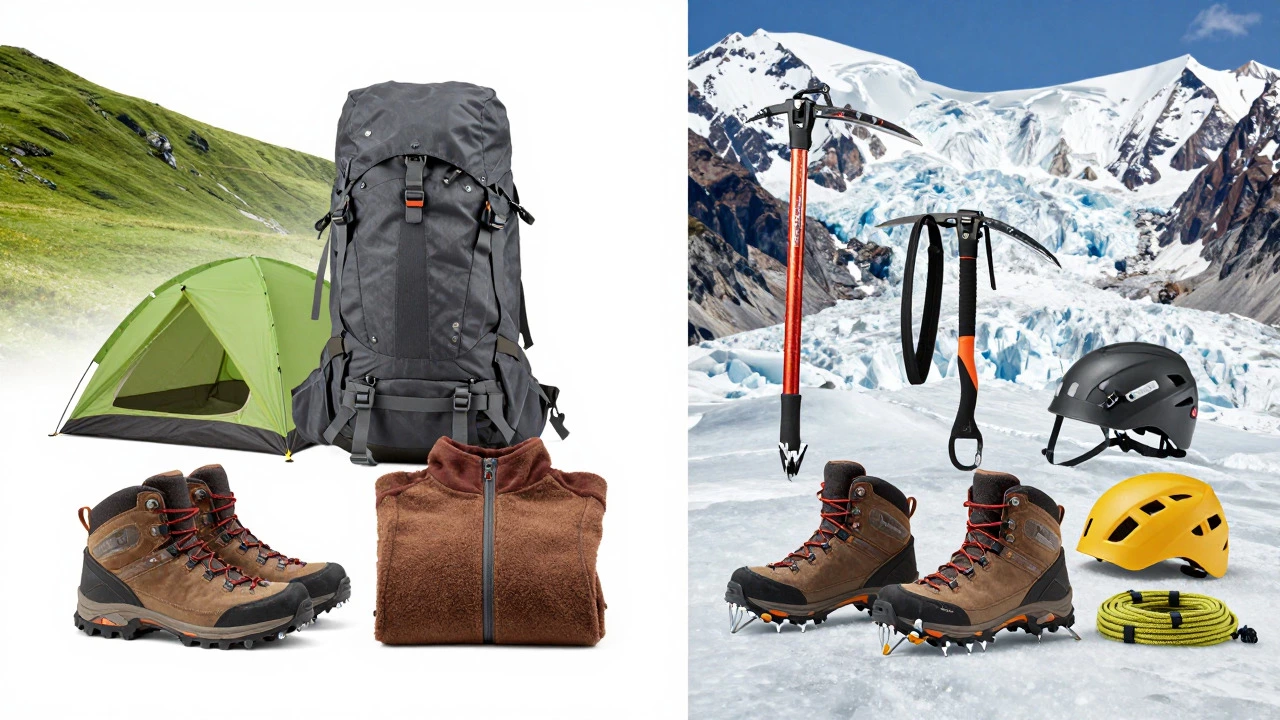
Your packing list tells you everything about the activity. For trekking, you need reliable footwear-broken-in hiking boots are non-negotiable. You’ll also need a comfortable backpack (50-70 liters), a four-season tent if camping, and warm layers. In India, temperatures can drop below freezing at night even in summer, so insulation is key. Water purification tablets and a first-aid kit are essentials.
Mountaineering gear is specialized and expensive. You need crampons that fit your boots perfectly, an ice axe for self-arrest on snow slopes, and a climbing harness. Helmets protect against falling rock or ice. Many mountaineers use fixed ropes and ascenders. The weight is often carried by porters or yaks because the technical gear adds significant bulk. You aren't just carrying clothes; you are carrying survival equipment.
Fitness and Training: Preparing Your Body
Trekking requires cardiovascular endurance. You should be able to walk for several hours with a loaded pack. Stair climbing, jogging, and lunges help build the leg strength needed for steep ascents. Most healthy adults can prepare for a moderate trek in 4-6 weeks of consistent exercise. Altitude acclimatization is crucial, but it happens naturally as you ascend slowly.
Mountaineering demands more than just cardio. You need upper body strength for pulling yourself up, core stability for balance on narrow ridges, and mental toughness. Training involves gym workouts, bouldering, and practicing technical skills on local crags. You also need to learn how to manage energy when oxygen levels are low. A single mistake in judgment can lead to exhaustion or injury.
Trekking Places in India: Where to Start
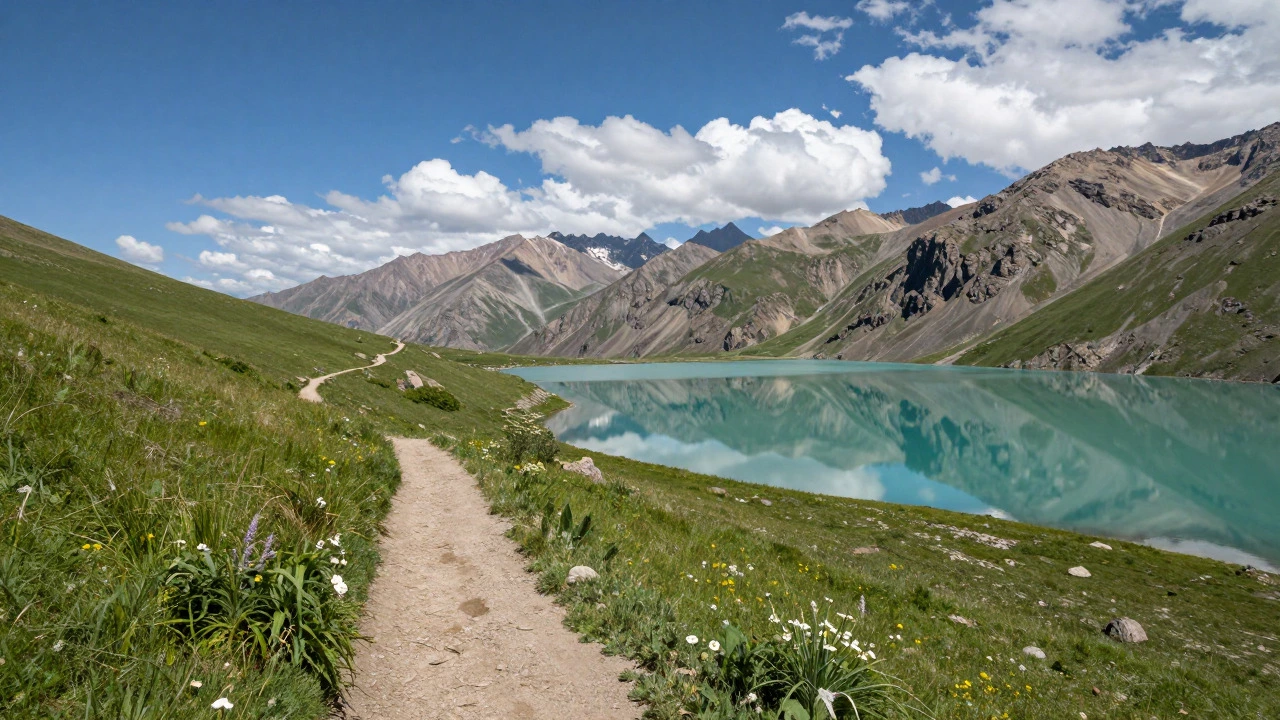
India offers some of the best trekking destinations in the world. The Himalayas provide diverse landscapes, from lush forests to barren high-altitude deserts. Here are three popular options for beginners and intermediate trekkers:
- Tarsar Marsar (Jammu & Kashmir): A beautiful twin-lake trek that stays below 14,000 feet. It’s known for its meadows and clear waters. No technical skills are needed, just good boots and patience.
- Hemkund Sahib (Uttarakhand): A pilgrimage trek that combines spirituality with stunning mountain views. The path is well-marked, and you can stay in guesthouses along the way. It reaches about 14,100 feet.
- Kheerganga (Himachal Pradesh): A shorter trek suitable for families and first-timers. Hot springs await at the top, making it a relaxing experience after a few hours of walking.
These spots allow you to experience the mountains without needing a rope. You focus on the views, the local culture, and the joy of reaching a viewpoint.
Mountaineering Peaks in India: For the Experienced
If you want to try mountaineering, start with graded peaks. The Indian Mountaineering Foundation (IMF) organizes expeditions to peaks like:
- Palan Peak (Kumaon): Often considered an introductory peak for those learning basic glacier travel. It requires permits and a guide.
- Yari (Ladakh): A higher challenge that involves crevassed glaciers. This is not for casual hikers. Proper certification and team coordination are mandatory.
For these climbs, you join a team. Solo mountaineering is rare and extremely risky. You rely on your partners for safety checks and emergency response.
Safety and Risks: Knowing When to Turn Back
In trekking, the biggest risks are altitude sickness, dehydration, and slips on loose rocks. Acute Mountain Sickness (AMS) can hit anyone, regardless of fitness. Symptoms include headache, nausea, and dizziness. The only cure is descending. Always carry a pulse oximeter to monitor oxygen saturation.
Mountaineering carries additional hazards: avalanches, crevasse falls, and rockfalls. Weather changes rapidly above the tree line. A sunny morning can turn into a blizzard by afternoon. Decision-making becomes critical. Sometimes, the bravest move is to abort the summit push. Teams must communicate clearly and respect objective dangers.
Cost Comparison: Budgeting Your Adventure
Trekking is relatively affordable. A guided trek in India might cost between $200 and $600, including food, accommodation, and guides. Independent trekkers spend less but need to arrange logistics themselves. Equipment costs are one-time investments.
Mountaineering is expensive. Permits, insurance, specialized gear, and professional guides add up quickly. An expedition to a graded peak can cost $1,500 to $5,000 or more. High-altitude expeditions to peaks like Everest or K2 run into hundreds of thousands of dollars. Factor in training courses for technical skills, which can cost $500-$1,000 per week.
Environmental Impact: Leave No Trace
Both activities impact fragile ecosystems. Trekking trails often suffer from littering and trail erosion. Mountaineering campsites leave waste behind. Follow the "Leave No Trace" principles: pack out all trash, stay on marked paths, and respect wildlife. In India, many regions have strict rules about plastic bans and waste disposal. Carry biodegradable soap and minimize campfire usage.
Can I go mountaineering without prior experience?
Not safely. While beginner courses exist, true mountaineering requires technical skills. Start with trekking to build fitness and comfort in mountains. Then take a certified course in ice climbing and rope techniques before attempting a technical peak.
What is the best time for trekking in India?
Summer (May-June) and Autumn (September-November) are ideal. Monsoon season brings landslides and slippery trails. Winter makes high passes inaccessible due to snow. Check specific region forecasts as microclimates vary.
Do I need a guide for trekking?
For popular trails like Hemkund Sahib or Kheerganga, signs are clear, and locals know the way. However, a guide enhances safety, provides cultural context, and helps with emergencies. For remote or unmarked trails, a guide is essential.
How do I prevent altitude sickness?
Ascend slowly. Sleep lower than you climb. Drink plenty of water. Avoid alcohol and smoking. Listen to your body. If symptoms worsen, descend immediately. Medications like acetazolamide can help but require a doctor's prescription.
Is mountaineering worth the risk?
For many, yes. The sense of achievement and connection with extreme environments is unmatched. But it requires respect for the mountain. Never underestimate conditions. Proper preparation reduces risk significantly.