Agra: Home of the Taj Mahal and India's Most Iconic Heritage
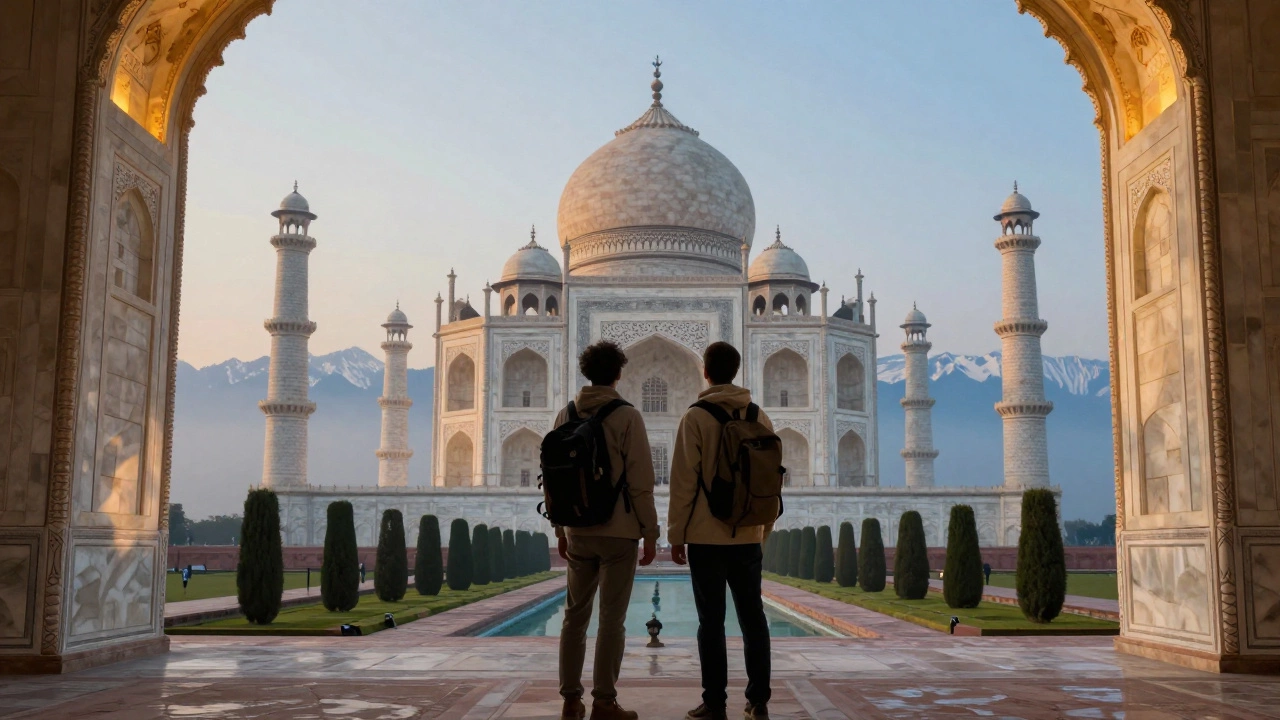
When you think of Agra, a historic city in northern India known for its Mughal-era monuments and global cultural significance. Also known as the city of the Taj, it’s not just a stop on a tourist map—it’s a place where love, power, and artistry were carved into stone over 400 years ago. Agra is home to the Taj Mahal, a white marble mausoleum built by Emperor Shah Jahan in memory of his wife Mumtaz Mahal, and recognized worldwide as a symbol of eternal love. It’s the most visited site in India, drawing over 7 million people each year. But Agra isn’t just about one building. It’s a layered city where history doesn’t sit in museums—it lives in the walls, the bazaars, and the shadows of its grand forts.
The Agra Fort, a massive red sandstone fortress that once housed Mughal emperors and served as both palace and prison, stands just a few kilometers from the Taj. It’s where Shah Jahan spent his last years, gazing at his wife’s tomb from a window. This fort alone holds palaces, mosques, and courtyards that tell stories of war, courtly life, and betrayal. Then there’s Fatehpur Sikri, a nearby abandoned capital built by Akbar, now a UNESCO World Heritage site with empty streets and silent halls that whisper of what could have been. These places aren’t just landmarks—they’re connected. The Taj, the Fort, and Fatehpur Sikri form a triangle of Mughal ambition, each shaped by the same rulers, the same architects, and the same obsession with legacy.
Agra’s heritage isn’t just about stone and marble. It’s about the people who still live here—the artisans who carve pietra dura in-lay work, the guides who know every crack in the Taj’s surface, the families who’ve sold kebabs near the gates for generations. This isn’t a ghost town frozen in time. It’s a living city that survives because of its past. You’ll find street food that tastes like it’s been perfected over centuries, rickshaws that weave past centuries-old gateways, and markets where you can buy hand-stitched leather slippers made the same way they were in 1650.
What makes Agra different from Jaipur or Varanasi? It doesn’t try to be everything. It doesn’t need to. Agra’s power is in its focus. One monument changed the world’s view of India. One city became the face of its history. And while other places offer temples, rivers, or mountains, Agra offers something rarer: a single, perfect moment in time, preserved in marble, visible from every angle, and unforgettable the moment you see it.
Below, you’ll find real traveler stories, practical tips, and deep dives into what makes Agra more than just a photo op. Whether you’re planning your first trip or you’ve stood in front of the Taj a dozen times, there’s something here that will change how you see it.
- Mar, 31 2026
- 0 Comments
While Agra is famously known as the City of Love due to the Taj Mahal, adventure enthusiasts find romance in India's Himalayan hills. Discover the best spots blending adrenaline and intimacy.
More
- Mar, 8 2025
- 0 Comments
Dive into the allure of the Taj Mahal, India's most famous cultural attraction. Discover why this architectural wonder captures the hearts of millions, from tales of eternal love to its stunning design. Whether you're planning a trip or just intrigued by global landmarks, learn essential visiting tips, fascinating facts, and what makes the Taj Mahal a must-see. Experience the cultural richness of India framed within the story of one of its most breathtaking monuments.
More