Animal Conservation in India: Protecting Wildlife and Why It Matters
When we talk about animal conservation, the effort to protect species and their natural habitats from extinction. Also known as wildlife protection, it’s not just about saving tigers or elephants—it’s about keeping entire ecosystems alive. India is one of the most biodiverse countries on Earth, home to over 7% of the world’s known species. But habitat loss, poaching, and human-wildlife conflict are pushing many animals to the edge. Animal conservation here isn’t a luxury. It’s a necessity.
One of the biggest tools in this fight is the wildlife sanctuary, a protected area where animals live without hunting or habitat destruction. These aren’t zoos—they’re real, functioning ecosystems. India has over 500 wildlife sanctuaries, from the wetlands of Assam that shelter one-horned rhinos to the forests of Karnataka that guard Bengal tigers. These places are managed by the government, but they rely on public awareness and responsible tourism to survive. Without visitors understanding their purpose, these areas become empty names on maps. The concept of biodiversity, the variety of life in a given habitat. It includes plants, insects, birds, mammals, and the complex relationships between them. When you lose one species, like a pollinator or a top predator, the whole system starts to unravel. That’s why animal conservation isn’t just about saving cute animals—it’s about keeping the natural machines that feed us, clean our water, and regulate our climate running smoothly.
Protected areas like national parks and sanctuaries are the backbone of this work, but they’re only as strong as the people who support them. Many travelers don’t realize that choosing an eco resort over a luxury hotel, avoiding souvenirs made from animal parts, or sticking to marked trails can make a real difference. Even small actions add up. The posts below show how animal conservation ties into everyday travel choices—like why you should care about where your food comes from, how trekking routes affect wildlife, and why some places in India are protected not just for their beauty but for their survival.
What you’ll find here aren’t abstract theories. These are real stories from the ground: how a village in Rajasthan stopped poaching by turning to eco-tourism, how a sanctuary in Kerala saved a species of frog from disappearing, and why a simple question—like whether it’s safe to eat salad in India—can connect to larger issues of land use and pollution. This isn’t just about saving animals. It’s about saving the places we love to visit.
- Mar, 7 2025
- 0 Comments
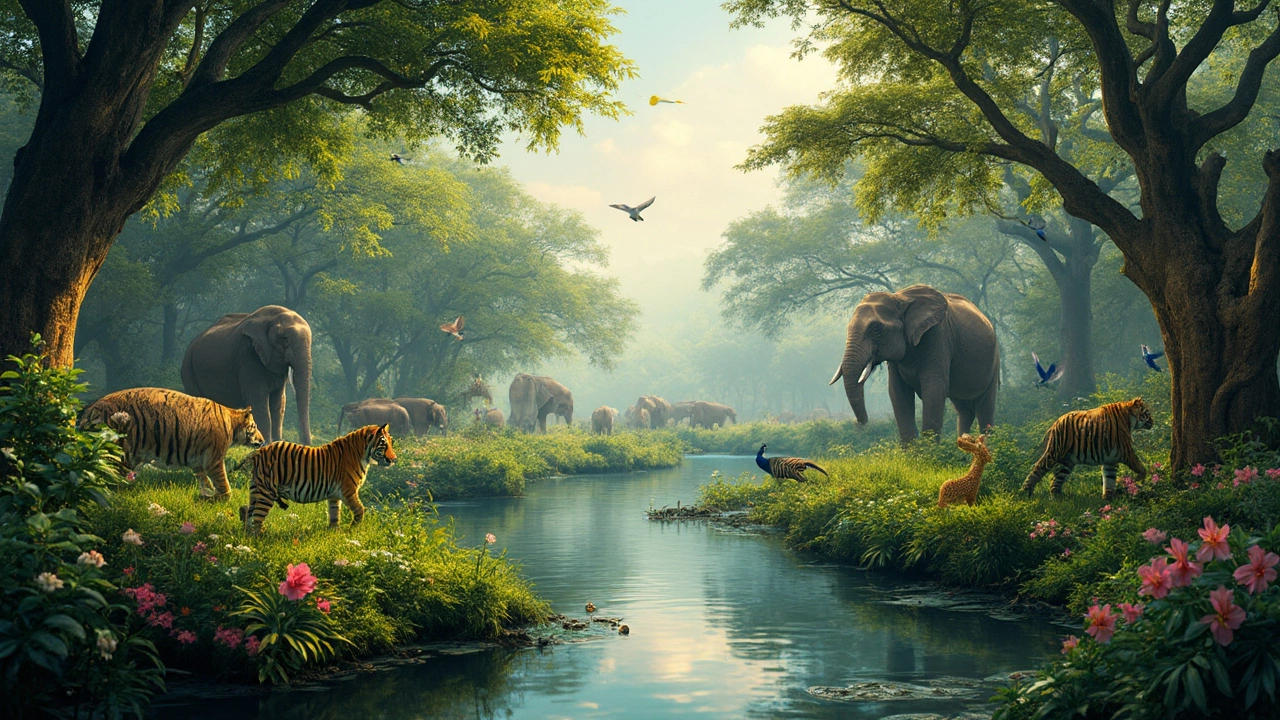
Wildlife sanctuaries have a crucial role in conserving biodiversity, offering protected habitats for animals and helping in the restoration of ecosystems. They provide safe havens for endangered species, enabling them to thrive away from human disruptions. Sanctuaries also offer educational opportunities, fostering awareness about the importance of conservation among the public. While they are beneficial, they come with challenges such as funding and maintaining natural balance without human interference.
More