Bali Budget Travel: How to Explore Bali Cheaply Like a Local
When people think of Bali, a tropical island in Indonesia known for its temples, rice terraces, and surf spots. Also known as the Island of the Gods, it draws millions every year—but you don’t need to spend a fortune to experience it. Many assume Bali is expensive because of luxury resorts and Instagrammable cafes, but the truth is, you can live like a local for under $30 a day. Food, transport, and even decent guesthouses cost a fraction of what you’d pay in Thailand or India, making it one of the most affordable tropical getaways in Asia.
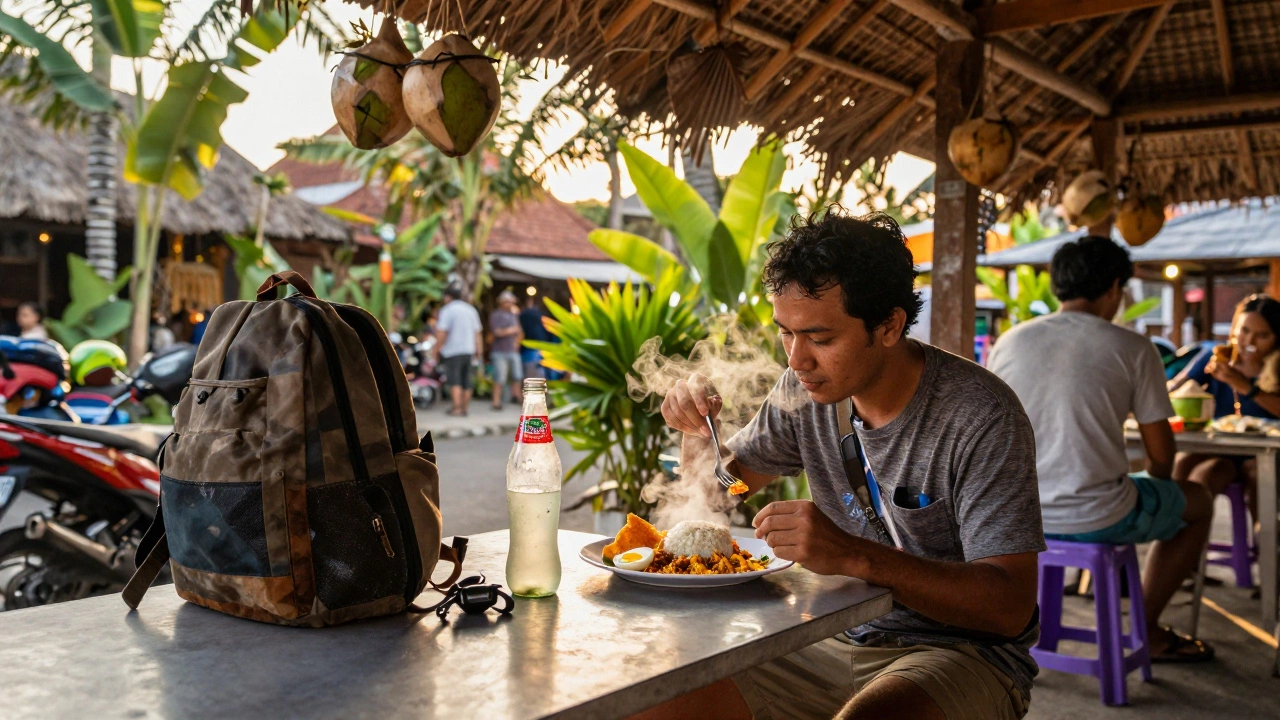
What makes Bali budget travel work isn’t just low prices—it’s how you move through it. Scooter rentals, a common way locals get around, cost just $5 a day. You can eat a full meal of nasi goreng or mie goreng from a warung for under $2. Even beachfront bungalows with fans and shared bathrooms run $15–$25 a night in places like Canggu, Ubud, or Sidemen. The real savings come from skipping overpriced tourist traps and eating where the Balinese do. Local markets, like Ubud Market or Gianyar Night Market, offer fresh fruit, snacks, and handmade souvenirs at prices that won’t shock your wallet.
And it’s not just about saving money—it’s about timing. Visiting outside peak season (July–August and December) cuts flight prices by nearly half and clears out the crowds. You’ll find better deals on yoga retreats, surf lessons, and temple tours if you book directly with small operators instead of big agencies. Don’t assume everything is expensive just because it’s tropical. Bali’s economy runs on tourism, but it’s built for locals first. If you eat, sleep, and move like they do, you’ll see a side of Bali most travelers never find.
Below, you’ll find real stories and practical guides from travelers who’ve stretched their dollars in Bali—from how to avoid hidden resort fees to which beaches are free and how to get around without getting scammed. Whether you’re planning a week or a month, these posts give you the exact tools to make your trip affordable, authentic, and unforgettable.
- Dec, 4 2025
- 0 Comments
Bali isn't the budget paradise it used to be, but it's still one of the best values in Southeast Asia. Here's what real travel costs in 2025-and how to save without sacrificing experience.
More