Biodiversity in India: Why It Matters and Where to See It
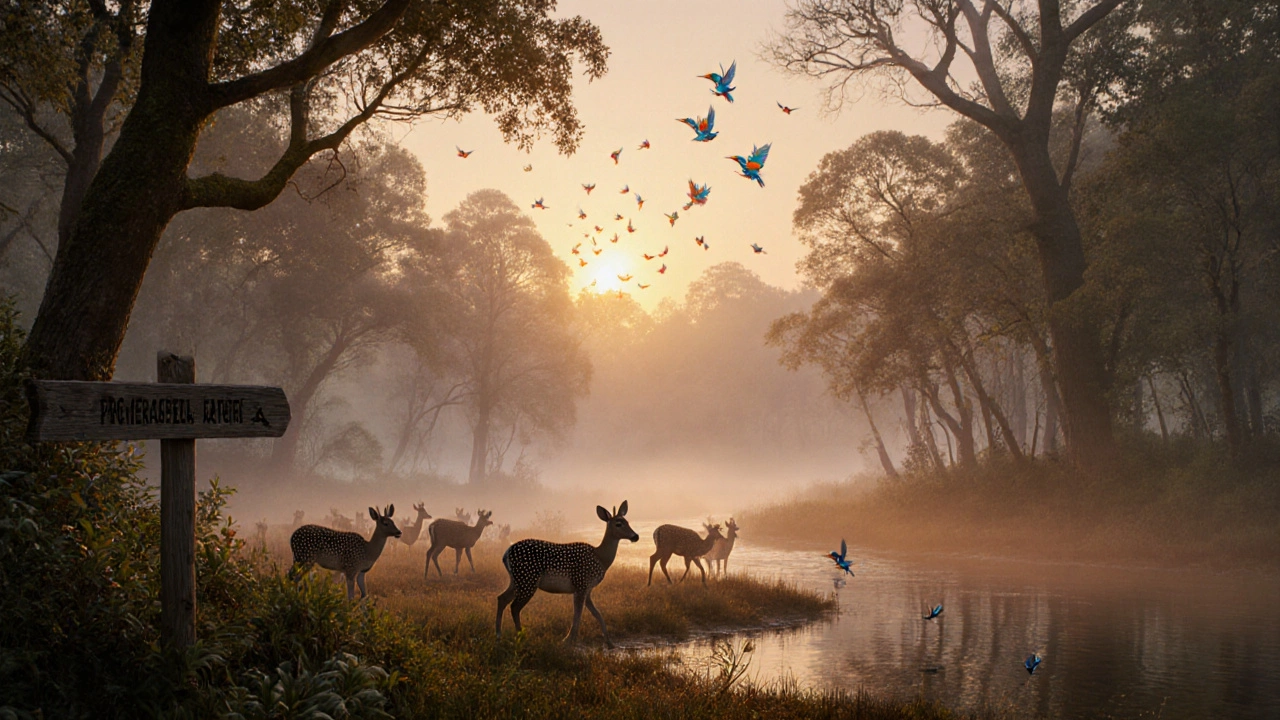
When we talk about biodiversity, the variety of life in all its forms—plants, animals, fungi, and microorganisms—within a given region. Also known as biological diversity, it’s what keeps ecosystems alive, clean, and resilient. India isn’t just home to the Taj Mahal or bustling cities—it’s one of the world’s 17 megadiverse countries, holding nearly 8% of all known species on Earth. That means one in every 10 species you’ll find anywhere on the planet could be living right here, from the snow leopard in Ladakh to the pygmy hog in Assam’s wetlands.
This biodiversity isn’t just about cute animals or colorful birds. It’s the foundation of clean water, fertile soil, medicine, and even the weather patterns that make farming possible across the country. The Western Ghats, a UNESCO World Heritage site, alone has over 5,000 plant species found nowhere else. Meanwhile, the Sundarbans mangroves support the last surviving population of Bengal tigers that swim between islands. These aren’t just tourist spots—they’re living, breathing lifelines. And when we lose even one species, like the Great Indian Bustard or the Red Panda, the whole system feels the ripple effect.
Travelers play a bigger role than they think. Choosing eco resorts over luxury chains, avoiding single-use plastics in national parks, or supporting local guides who know the land—these choices add up. You won’t find plastic bottles on the trails of Nagarahole, and you won’t see elephants chased for photos in Jim Corbett. That’s because communities here have learned that protecting nature means protecting their future. The same forests that shelter tigers also protect watersheds that feed millions of villages. The same coral reefs off the Andaman coast that host rare fish also buffer coastlines from storms.
What you’ll find in the posts below isn’t just a list of places. It’s a real look at how biodiversity shapes travel in India—from safe food practices tied to local farming, to why certain cities are built near protected forests, to how budget travelers can support conservation without spending more. You’ll see how Mysore’s quiet streets connect to tiger corridors, how Goa’s beaches rely on healthy marine ecosystems, and why trekking in Ladakh isn’t just exercise—it’s walking through a fragile high-altitude world that’s changing fast. These aren’t random stories. They’re all tied to the same truth: if you care about India’s soul, you care about its biodiversity.
- Oct, 20 2025
- 0 Comments
Explore why wildlife sanctuaries exist, their conservation goals, benefits, management challenges, and how you can support them.
More