Bullet Train: What It Is, Where It Runs, and Why India Needs It
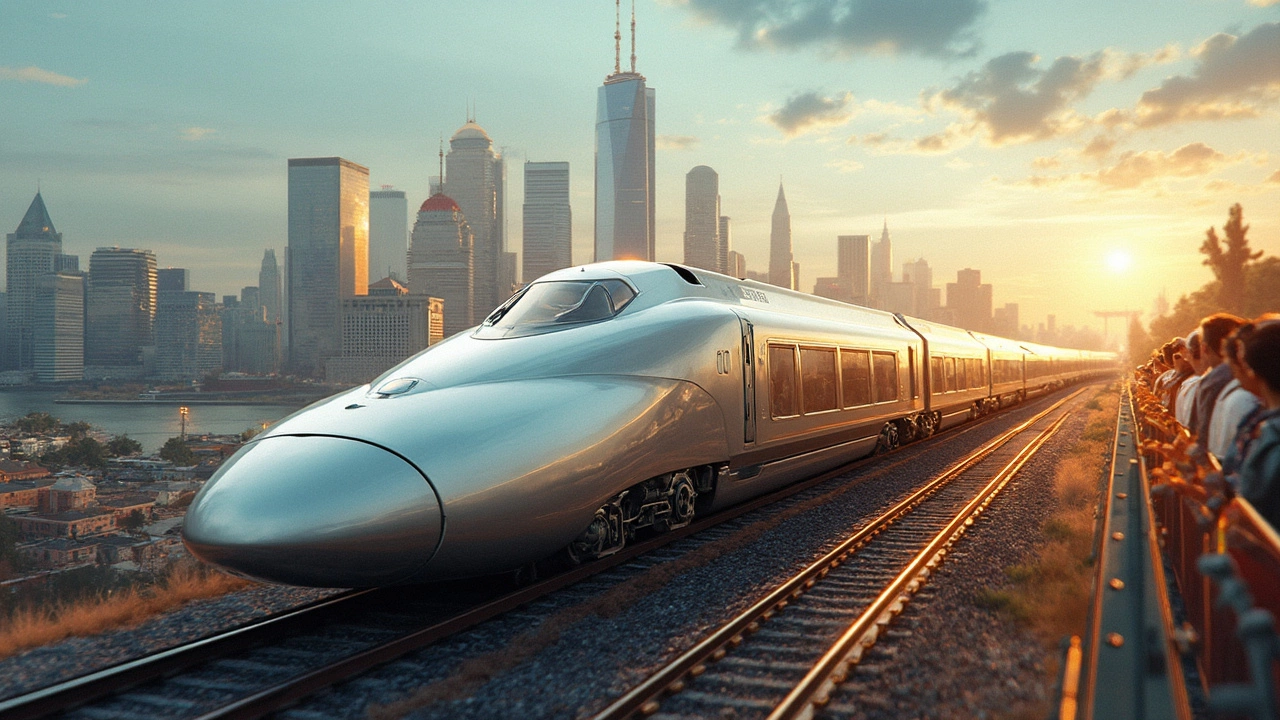
When people talk about a bullet train, a high-speed rail system designed to travel over 250 km/h using advanced engineering and dedicated tracks. Also known as Shinkansen, it’s not just faster than regular trains—it’s a completely different way to move people across cities. The first one opened in Japan in 1964, and since then, countries like China, France, and Spain have built their own networks. These trains don’t just cut travel time—they reshape how cities connect, how people work, and even how tourism flows.
India’s first bullet train, a 508-km route between Mumbai and Ahmedabad, is under construction and expected to open in 2026. This isn’t just about speed—it’s about reliability, safety, and reducing road and air traffic. Unlike older Indian trains that often run late, bullet trains run on precise schedules, with no level crossings, full air conditioning, and digital ticketing. For travelers, that means less stress and more time to enjoy places like the Taj Mahal, Goa’s beaches, or Mysore’s palaces without wasting half a day on the road.
What makes this project different from regular rail upgrades? It’s not just about adding more coaches or upgrading tracks. A bullet train, requires entirely new infrastructure: elevated or underground routes, electrified lines, and automated signaling. It also needs trained staff, strict maintenance, and modern stations—something India hasn’t built at this scale before. That’s why this project is being done with Japanese technical support, using the same technology that runs Tokyo’s Shinkansen. It’s not just a train; it’s a leap in national infrastructure.
If you’ve ever waited hours for a delayed train or spent a full day driving between cities like Delhi and Agra, you know why this matters. The bullet train doesn’t replace buses or flights—it fills a gap between them. It’s faster than driving, cheaper than flying, and way more comfortable than a regular express. For tourists, it could mean doing a day trip from Mumbai to Ahmedabad to see the Rani Ki Vav stepwell, or heading to Vadodara for its cultural festivals without booking a flight. For locals, it could mean commuting between cities for work, education, or family visits without the hassle.
There are still questions—cost, land acquisition, environmental impact—but the real story is what this means for everyday travel in India. This isn’t science fiction. It’s happening. And when it does, it will change how you see the country. Below, you’ll find real travel guides, cost comparisons, and destination tips that help you plan for this new era of Indian travel—whether you’re riding the bullet train next year or just curious about what’s coming.
- May, 1 2025
- 0 Comments
Ever wondered how long a bullet train would take to get you from New York to California? This article breaks down how fast a high-speed rail trip could be, compares it to current train and plane options, and dives into what riding such a train could feel like. You’ll get fun facts, realistic time estimates, and tips for making the most of long-distance luxury train travel. Whether you dream of coast-to-coast adventures or just want to get there faster, this is the info you need.
More