City Culture in India: Explore Local Traditions, Heritage, and Daily Life
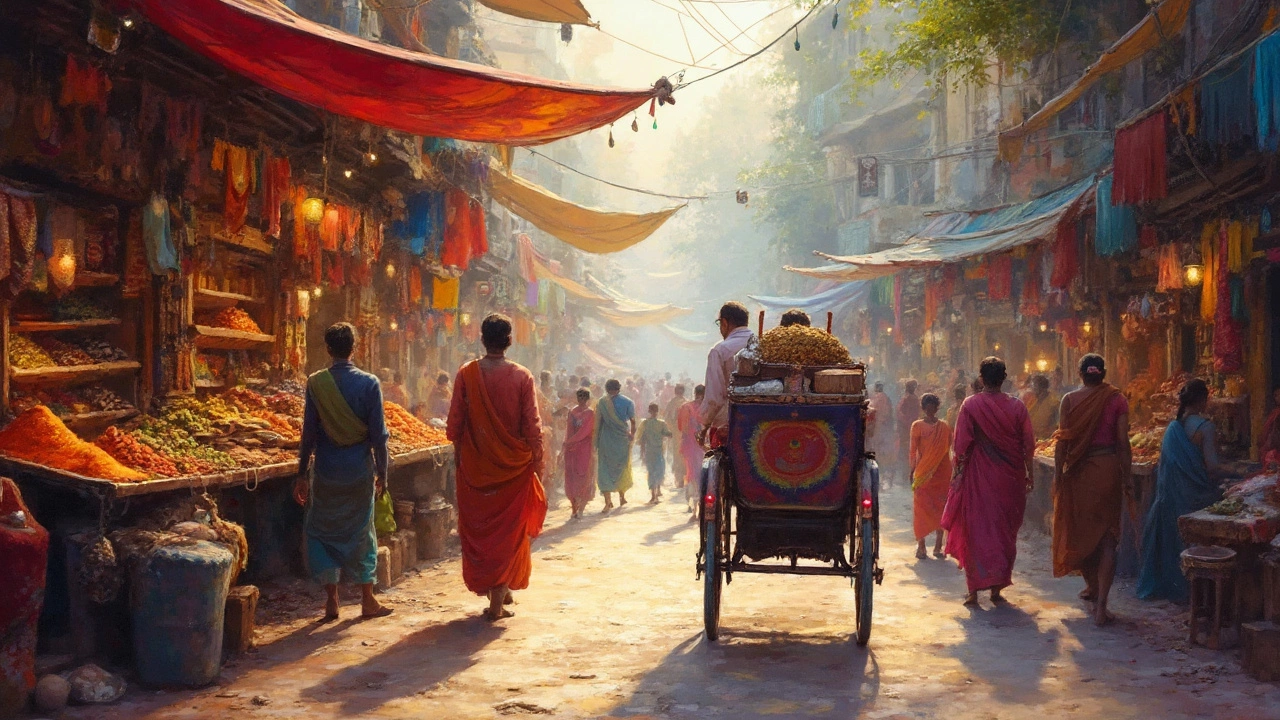
When you think of city culture, the living blend of traditions, rituals, food, and architecture that defines how people live in a specific Indian city. Also known as urban heritage, it’s not just about monuments—it’s the morning chai vendor on the corner, the temple bell at dawn, the way families gather on rooftops after sunset. This isn’t the same across India. In Jaipur, city culture means waking up to the scent of rosewater and henna, walking past painted havelis that have stood for centuries, and seeing women in bright lehengas haggling over bangles at Johari Bazaar. In Mysore, it’s the quiet rhythm of temple processions, the sound of veena music drifting from a home studio, and the way even street food is served on banana leaves with a side of respect.
City culture in India doesn’t come from guidebooks. It’s built over generations. You see it in how festivals like Diwali or Onam aren’t just events—they’re entire city-wide transformations. In Kerala, homes are cleaned, oil lamps are lit, and neighbors share sweets like they have for 200 years. In Varanasi, the Ganga Aarti isn’t a show for tourists—it’s a daily prayer that pulls the whole city into silence for 45 minutes. These aren’t performances. They’re habits. And they’re what make visiting a city feel different than just seeing sights.
What makes Indian city culture so powerful is how deeply it ties to identity. The heritage cities, urban centers officially recognized for their historical architecture and living traditions, like Jaipur, Hampi, and Khajuraho. Also known as living heritage sites, they’re not museums—they’re homes. People live in 400-year-old houses. Kids play cricket on ancient courtyards. Street vendors sell the same spices their grandparents did. Even in modern cities like Bangalore, you’ll find old temples tucked between tech parks, and elders teaching yoga in the same parks where young professionals scroll through phones. This mix isn’t accidental. It’s intentional. India doesn’t erase its past—it wears it.
And then there’s the food. City culture here is eaten, not just watched. In Chennai, breakfast isn’t idli and sambar—it’s a ritual. The steam from the idli stand rises at 5 a.m., and by 7, the line is out the door. In Hyderabad, biryani isn’t just a meal—it’s a family heirloom recipe, passed down with secret spices and a side of pride. You can’t understand city culture without tasting it. That’s why posts about eating salad safely in South India or the cost of a Coke in Delhi aren’t just about safety or prices—they’re about how locals navigate daily life, what they trust, and what they avoid.
When you travel, you don’t just want to check off landmarks. You want to feel the pulse of a place. That’s why the best posts about Indian cities don’t just list temples or beaches. They show you how people wake up, how they celebrate, how they argue, how they heal. Whether it’s the quiet dignity of Mysore’s palaces or the chaotic energy of Goa’s beach shacks, city culture is the real attraction. Below, you’ll find real stories from travelers who didn’t just visit—they listened. They ate. They stayed late. And they came back changed.
- Mar, 29 2025
- 0 Comments
India, with its vibrant blend of traditions, languages, and history, offers a cultural experience like no other. Dive into the heart of India, where every street tells a story, and the past seamlessly blends with the present. From the bustling bazaars to the majestic architecture, discover why this city is a must-visit for culture enthusiasts. Get practical travel tips to make the most of your cultural journey.
More