Conservation in India: Protecting Heritage, Wildlife, and Natural Landscapes
When we talk about conservation, the practice of protecting and preserving natural and cultural resources for future generations. Also known as preservation, it’s not just about saving old buildings or endangered animals—it’s about keeping India’s soul alive. From the pink stones of Jaipur to the misty forests of Bandipur, conservation is what keeps these places real, not just postcards.
Heritage conservation is a big part of this. Places like the Taj Mahal, a UNESCO World Heritage Site and one of the most visited monuments in the world don’t just stand there—they need constant care. Dust, pollution, and too many visitors can wear them down. That’s why cleaning, limiting foot traffic, and using traditional materials in repairs matter. It’s not about locking things away; it’s about letting people experience them without breaking them.
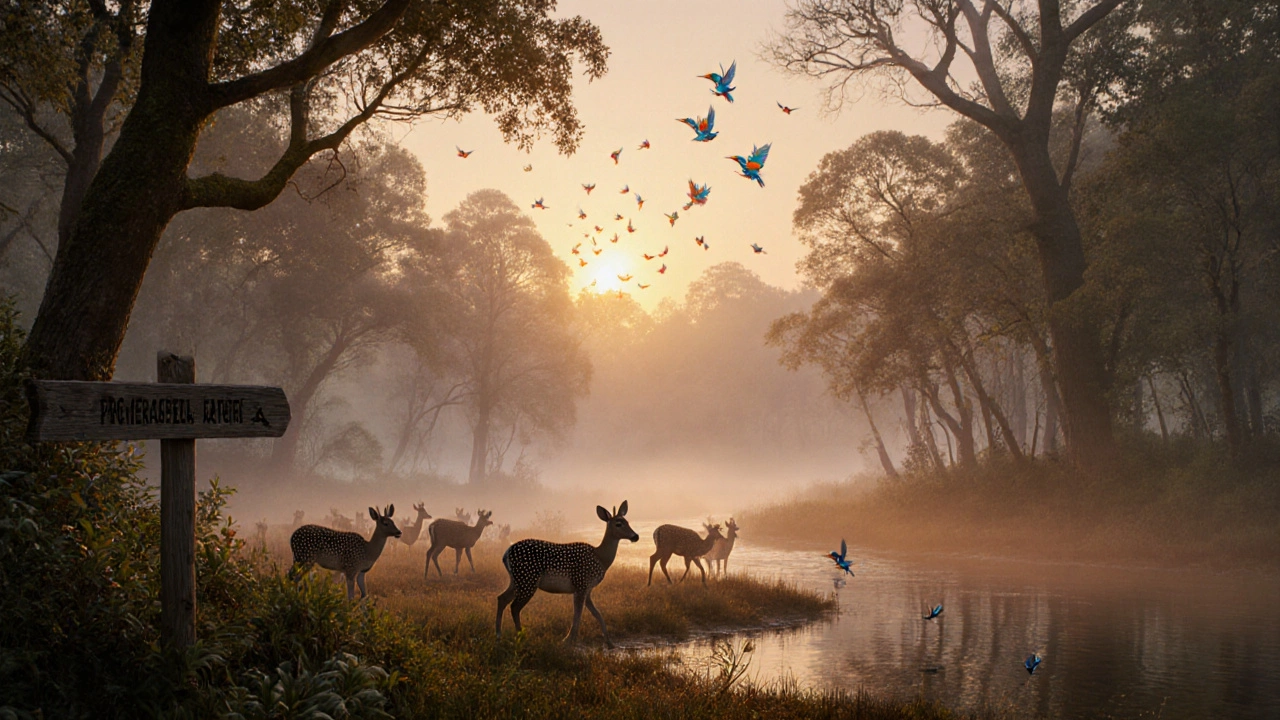
Then there’s wildlife conservation, efforts to protect India’s animals and their habitats from poaching, habitat loss, and human conflict. Tigers, elephants, and rhinos aren’t just attractions—they’re part of a living system. National parks like Ranthambore and Kaziranga don’t just exist for photos—they’re working ecosystems where rangers, scientists, and local communities work together to keep things balanced. When you visit, choosing eco resorts over big hotels, staying on marked trails, and not feeding animals helps more than you think.
And let’s not forget the quieter side: sustainable tourism, travel that respects local culture, environment, and economy. It’s not a buzzword. It’s what happens when you eat at a family-run restaurant instead of a chain, buy crafts from local artisans, and skip single-use plastics. In South India, where travelers ask if salad is safe to eat, the answer isn’t just about hygiene—it’s about supporting farms that grow food without poisoning the soil. In Goa, it’s about choosing beaches that aren’t overrun by trash. In Ladakh, it’s about trekking with guides who know how to leave no trace.
Conservation isn’t a job for governments alone. It’s something every visitor can be part of. The posts below show you how it connects to real travel choices: where to stay, what to eat, which cities to visit, and how to spot real sustainability when you see it. You’ll find out why Jaipur’s heritage is still alive, how eco resorts are changing the game, and why the Taj Mahal isn’t just beautiful—it’s fragile. These aren’t just travel tips. They’re small acts that add up to something bigger.
- Oct, 20 2025
- 0 Comments
Explore why wildlife sanctuaries exist, their conservation goals, benefits, management challenges, and how you can support them.
More