Culinary Travel in India: Taste the Culture, One Dish at a Time
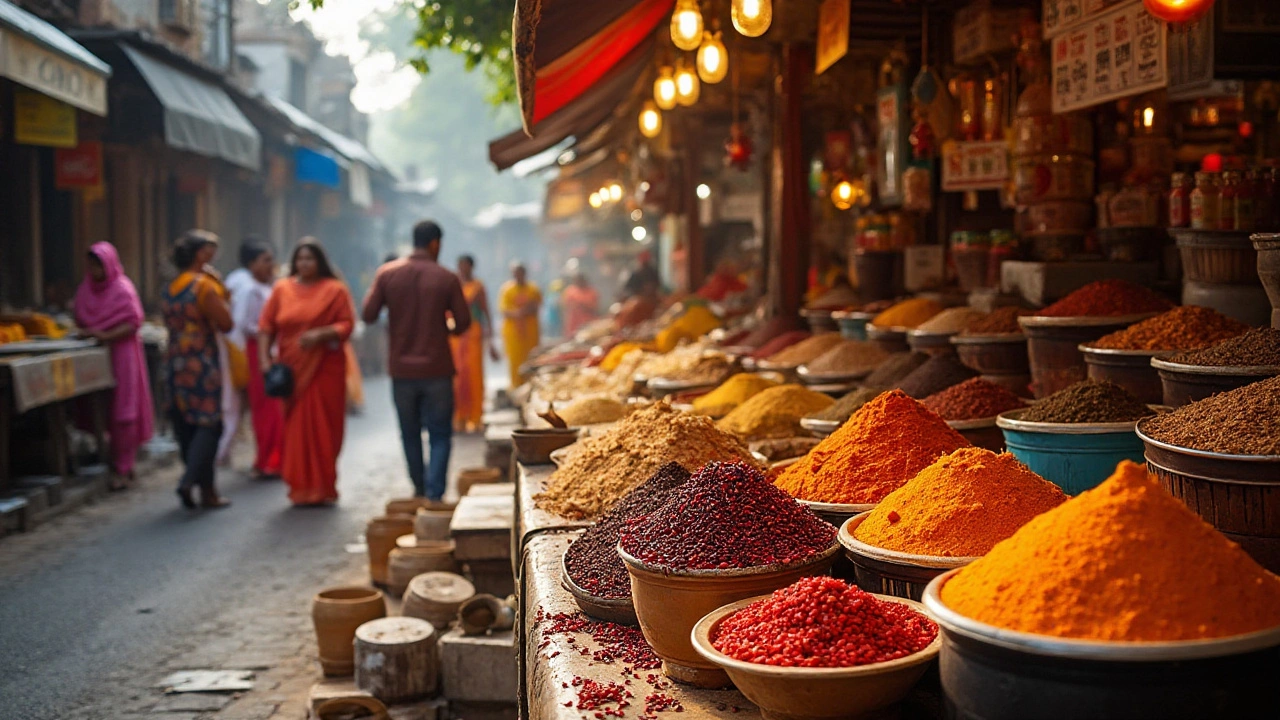
When you think of culinary travel, a way to experience a place through its food, traditions, and daily eating habits. Also known as food tourism, it’s not just about tasting new dishes—it’s about understanding who made them, why they matter, and how they’ve survived for generations. In India, culinary travel means walking through spice markets in Kochi, eating fresh dosas off banana leaves in Mysore, or sharing a plate of chaat with strangers on a Delhi street corner. This isn’t just dining. It’s a direct line to the soul of the country.
Food in India isn’t just fuel—it’s identity. Every state has its own rules, flavors, and rituals. In South India, coconut and tamarind shape the taste of daily meals. In Punjab, buttery naan and creamy curries tell stories of harvest and hospitality. And then there’s the street food—the real heartbeat of Indian culinary travel. But here’s the thing: not all of it is safe. That salad you see at a roadside stall? It might be washed in tap water. That chaat vendor with the long line? They’ve been doing this for 30 years. You don’t need fancy restaurants to eat well in India—you need to know where to look. And that’s where real culinary travel begins.
Understanding Indian food, a diverse collection of regional cuisines shaped by climate, religion, and history. Also known as Indian cuisine, it includes everything from the fermented rice cakes of Kerala to the slow-cooked mutton of Hyderabad. means learning what’s seasonal, what’s sacred, and what’s simply delicious. It means knowing that a $1 Coke might cost less than a bottle of water in some places, but a plate of fresh fish curry on the Goa coast can be worth every rupee. It means realizing that the best meals aren’t always the most expensive—they’re the ones served on a plastic stool under a tin roof, with a side of laughter and a glass of sweet lassi.
And then there’s food safety in India, the practical knowledge travelers need to avoid illness while still enjoying local food. Also known as traveler’s digestion, it’s not about avoiding Indian food—it’s about eating it wisely. How do you know if the salad is safe? Which street vendors have the cleanest hands? When should you skip the ice? These aren’t questions you find in guidebooks—they’re lessons learned from locals, from taxi drivers, from hotel staff who’ve seen thousands of tourists come and go. This is the hidden layer of culinary travel: survival skills wrapped in flavor.
You’ll find posts here that tell you exactly where to eat in South India without getting sick. You’ll see how much a simple meal costs compared to Thailand or the Maldives. You’ll learn why Jaipur’s food culture is tied to its royal past, and why Mysore’s quiet streets hold some of the most authentic flavors in the country. You’ll even find out why a Coke costs what it does—and what that says about India’s economy, its markets, and its people.
This isn’t a list of restaurants. This is a guide to eating like someone who lives here—not like someone who just visited. Whether you’re planning a 7-day trip or a 3-week journey through the south, the food you eat will shape your memory more than any monument. So don’t just travel for the sights. Travel for the taste. Because in India, the best stories aren’t told in museums—they’re served on a plate.
- Jan, 2 2025
- 0 Comments
South India is a treasure trove of culinary delights, where each state offers unique flavors and iconic dishes. This article delves into the diverse and rich culinary traditions of South Indian states, highlighting what makes each state's cuisine special. From the spicy Chettinad cuisine of Tamil Nadu to the seafood-rich dishes of Kerala, readers will embark on a flavorful journey. The article provides insights into must-try dishes, cooking styles, and local eating tips, making it a handy guide for food enthusiasts planning a trip.
More