Food Traditions in India: What You Need to Know Before You Eat
When you think of food traditions, the deep-rooted eating customs passed down through generations in India. Also known as culinary heritage, it's not just about what’s on the plate—it’s about when, how, and why it’s eaten. In India, food isn’t just fuel. It’s ritual, identity, and connection. A simple bowl of rice might be served with lentils during a daily meal, but the same rice could be shaped into sweet dumplings during Diwali, or offered as prasad in a temple. These aren’t random choices—they’re centuries-old practices tied to seasons, beliefs, and family history.
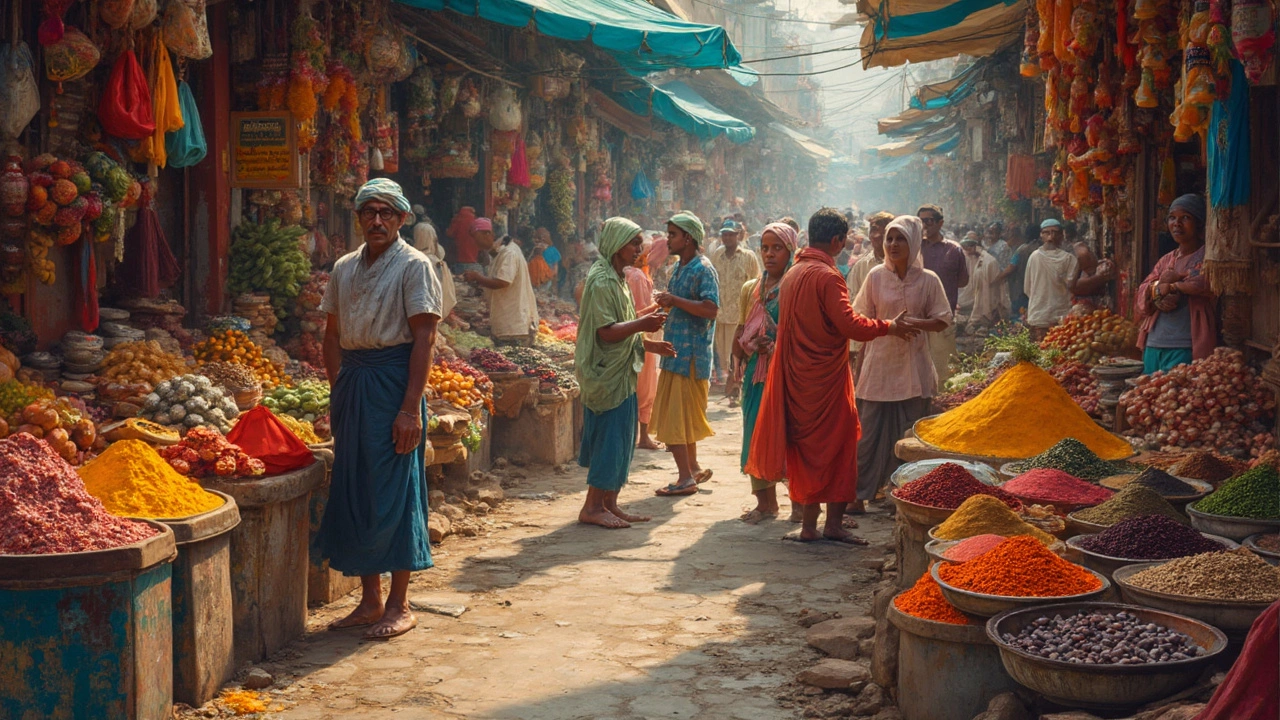
Every region has its own Indian cuisine, the diverse collection of cooking styles, spices, and dishes shaped by local climate, history, and religion. Also known as regional food India, it’s why you’ll find spicy fish curries in Kerala, millet rotis in Rajasthan, and coconut-based sweets in Tamil Nadu. Even something as simple as tea is different in every state—masala chai in the north, kadak chai in the west, and ginger-lemon tea in the south. These aren’t just recipes—they’re stories written in flavor. Street food, another major part of street food India, the vibrant, affordable, and often handmade snacks sold by vendors across cities and towns. Also known as roadside eats, it’s where most travelers first taste real Indian food—think pani puri, vada pav, or bhel puri. But knowing what’s safe, what’s seasonal, and what’s sacred matters. In some places, eating with your hands isn’t optional—it’s respectful. In others, skipping meat during festivals isn’t a choice, it’s duty. And then there’s the rhythm of eating: breakfast might be idli in the south, paratha in the north, and poha in the west. Lunch isn’t just a meal—it’s often a pause in the day, shared with family. Dinner might be light, especially in households that follow Ayurvedic principles. These habits aren’t outdated—they’re alive, and they’re why food in India feels so different than anywhere else.
Understanding food traditions means seeing beyond the menu. It means knowing why a temple won’t serve onions, why some families avoid garlic during certain months, or why a wedding feast lasts three days. It’s why a traveler in South India might be told not to eat salad unless they know the vendor, and why a street vendor in Delhi will ask if you want your chaat spicy, tangy, or both. These aren’t quirks—they’re clues to a culture that eats with its heart.
Below, you’ll find real advice from travelers who’ve navigated these traditions—from what to try, what to skip, and how to eat like a local without getting sick. Whether you’re planning your first trip or your tenth, these stories will help you eat smarter, deeper, and with more respect.
- Feb, 6 2025
- 0 Comments
Indian culture food is a vibrant and diverse reflection of India's rich cultural heritage. From spicy curries and fragrant biryanis to sweet desserts, it offers a sensory experience. The cuisine is influenced by regional variations, historical invasions, and religious practices. Discovering Indian food is also about understanding its cultural significance and traditions. Whether you're a foodie or a curious traveler, Indian cuisine provides a unique and flavorful journey.
More