Goa Taxi Service: Reliable Rides, Local Tips, and What to Expect
When you land in Goa, the first thing you’ll need is a Goa taxi service, a common way for tourists to get around the state, from airports to beaches to hidden villages. Also known as Goa cab service, it’s the go-to option for travelers who want to skip public buses and still avoid the hassle of renting a scooter on unfamiliar roads. Unlike big cities where ride apps dominate, Goa’s taxi scene is a mix of local operators, prepaid counters, and independent drivers — and knowing the difference saves you money and stress.
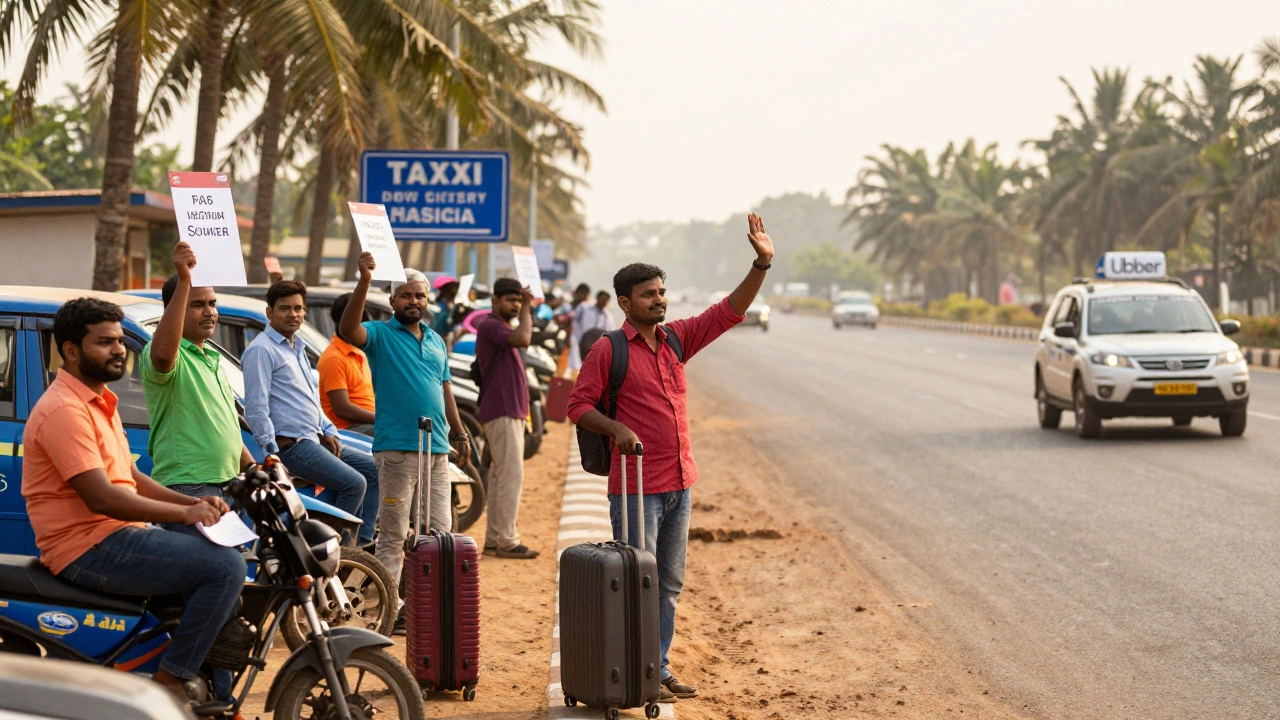
Most tourists run into two types of taxis: the prepaid taxi counters, official booths at airports and major train stations that fix rates before you leave, and the on-demand drivers, those who wait near hotels and beaches and quote prices on the spot. The prepaid system is straightforward — you pay upfront, get a receipt, and the driver can’t change the fare later. On-demand rides? They’re cheaper sometimes, but only if you know the going rate. A ride from Dabolim Airport to Calangute? Around ₹800–₹1,000. To Anjuna? Maybe ₹1,200. Ask your hotel or check recent traveler reviews before agreeing.
Here’s the thing: many drivers don’t use meters, and that’s normal in Goa. But that doesn’t mean you should just accept any price. A few local tricks help: always ask for the fare before getting in, use Google Maps to estimate distance, and if you’re going to a popular spot like Baga or Palolem, you’ll hear the same price from five different drivers — that’s your clue. Also, avoid drivers who offer "special deals" for multi-day tours. Those often come with hidden stops at shops or temples where they earn commission. Stick to point-to-point rides unless you’re booking through a trusted agency.
For families or groups, shared taxis or tempo travelers are common. You might see a van with "Goa Taxi Service" written on the side — those usually seat 6–8 people and cost less per person than a private car. If you’re heading to a remote beach like Agonda or Cotigao, confirm the driver knows the road. Some areas have rough patches, and not all drivers are familiar with them. A good driver will warn you about speed bumps, narrow lanes, or parking limits before you start.
Don’t forget about airport transfers. Many hotels offer free pickup, but if you’re staying off the beaten path, booking a taxi in advance through your accommodation or a local service like Goa Taxi Booking is smarter than waiting at the terminal. Late-night arrivals? Stick to official counters — unlicensed drivers often target tired travelers after dark.
What you won’t find in Goa is Uber or Ola in the same way you do in Delhi or Bangalore. Some drivers use app-based platforms, but coverage is spotty. Most locals and long-term visitors still rely on the old-school system — and for good reason. It’s flexible, widespread, and if you know how to handle it, it’s affordable.
Below, you’ll find real stories and tips from travelers who’ve used Goa taxi services — from the best times to book, to how to handle a driver who tries to overcharge, to which beaches are easiest to reach by cab. No fluff. Just what works.
- Dec, 1 2025
- 0 Comments
Uber works in Goa, but it's unreliable and expensive during peak season. Learn why local taxis, GoaMiles, and scooter rentals are better options for getting around Goa's beaches and towns in 2025.
More