Habitat Protection: Why It Matters for India's Wildlife and Travelers
When we talk about habitat protection, the practice of preserving natural environments so plants and animals can survive and thrive. Also known as ecosystem conservation, it’s not just about saving forests or wetlands—it’s about keeping the wild parts of India alive for future travelers, scientists, and local communities. Without it, places like the Sundarbans, Jim Corbett, or the Western Ghats lose their soul. You can’t visit a tiger if its forest is gone. You can’t enjoy a quiet birdwatching walk if the marshes have been drained for development.
Habitat protection directly links to wildlife sanctuary, a legally protected area where animals live without hunting or major human interference. India has over 550 of these, from the high-altitude sanctuaries in Ladakh to the mangrove forests of Odisha. These aren’t just parks—they’re lifelines. The same sanctuaries that shelter elephants and leopards also keep rivers clean, prevent landslides, and support farmers with steady water supplies. And yes, they’re why millions of travelers come to India every year—not just to see the Taj, but to hear monkeys in the jungle or spot a flamingo at a remote lake. biodiversity, the variety of life in a given ecosystem, is what makes these places unique. One patch of forest in Kerala might hold 200 types of birds, 50 kinds of orchids, and a rare frog found nowhere else on Earth. Lose that patch, and you lose those species forever. This isn’t abstract science. It’s why your $100 budget in India can stretch further in a village near a protected area—you’re not just paying for a room, you’re supporting a community that depends on healthy land.
conservation, the active effort to manage and protect natural resources, is what turns good intentions into real results. It’s not just fencing off land—it’s training local guides, replacing poachers with eco-tourism jobs, and working with farmers to reduce pesticide use near buffer zones. You’ll see this in action in posts about how trekking in Ladakh helps monitor snow leopard habitats, or how Goa’s beach conservation efforts protect sea turtles. Even protected area isn’t just a label—it’s a promise that someone is watching over the land, so you can still experience its magic years from now.
What you’ll find below aren’t just travel tips—they’re stories of real places where habitat protection is making a difference. From how salad safety in South India ties into clean water systems, to why Jaipur’s heritage walls help shield nearby forests, these posts show how travel and nature protection are deeply connected. You’ll learn what works, what doesn’t, and how your next trip can help—not hurt—the wild places you love.
- Mar, 7 2025
- 0 Comments
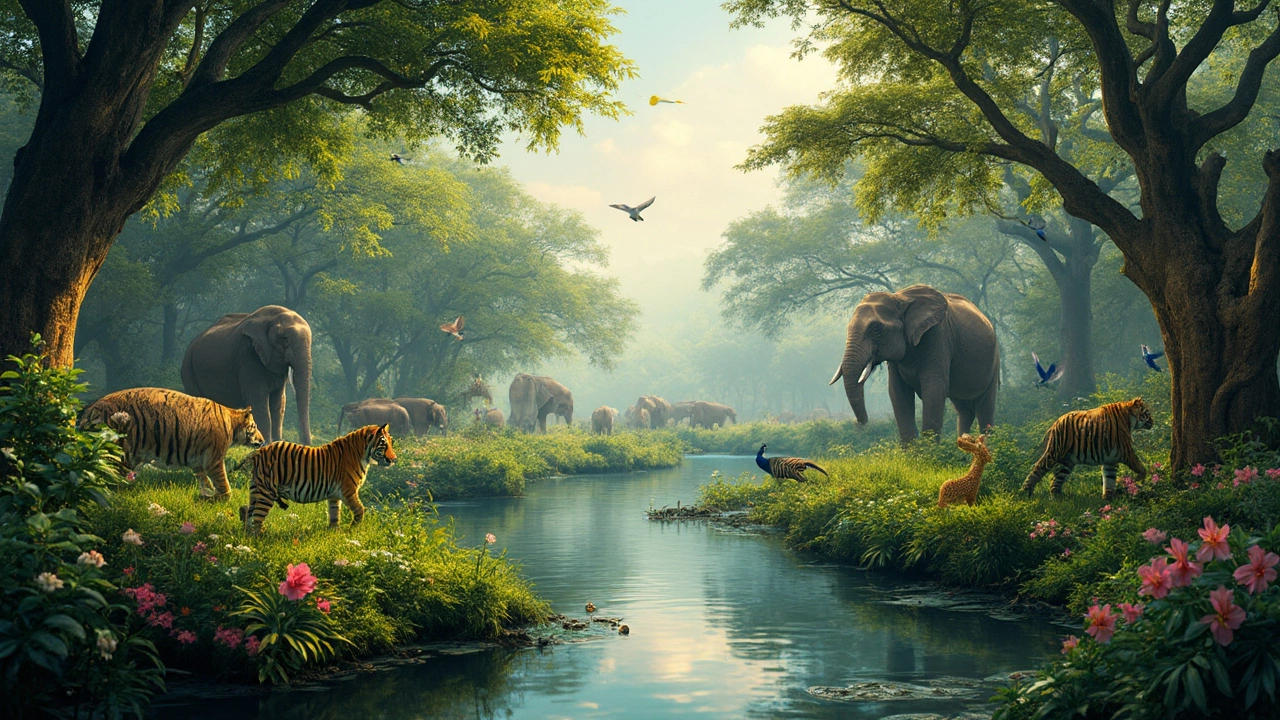
Wildlife sanctuaries have a crucial role in conserving biodiversity, offering protected habitats for animals and helping in the restoration of ecosystems. They provide safe havens for endangered species, enabling them to thrive away from human disruptions. Sanctuaries also offer educational opportunities, fostering awareness about the importance of conservation among the public. While they are beneficial, they come with challenges such as funding and maintaining natural balance without human interference.
More