High-Speed Rail in India: What It Means for Travelers and the Future of Transit
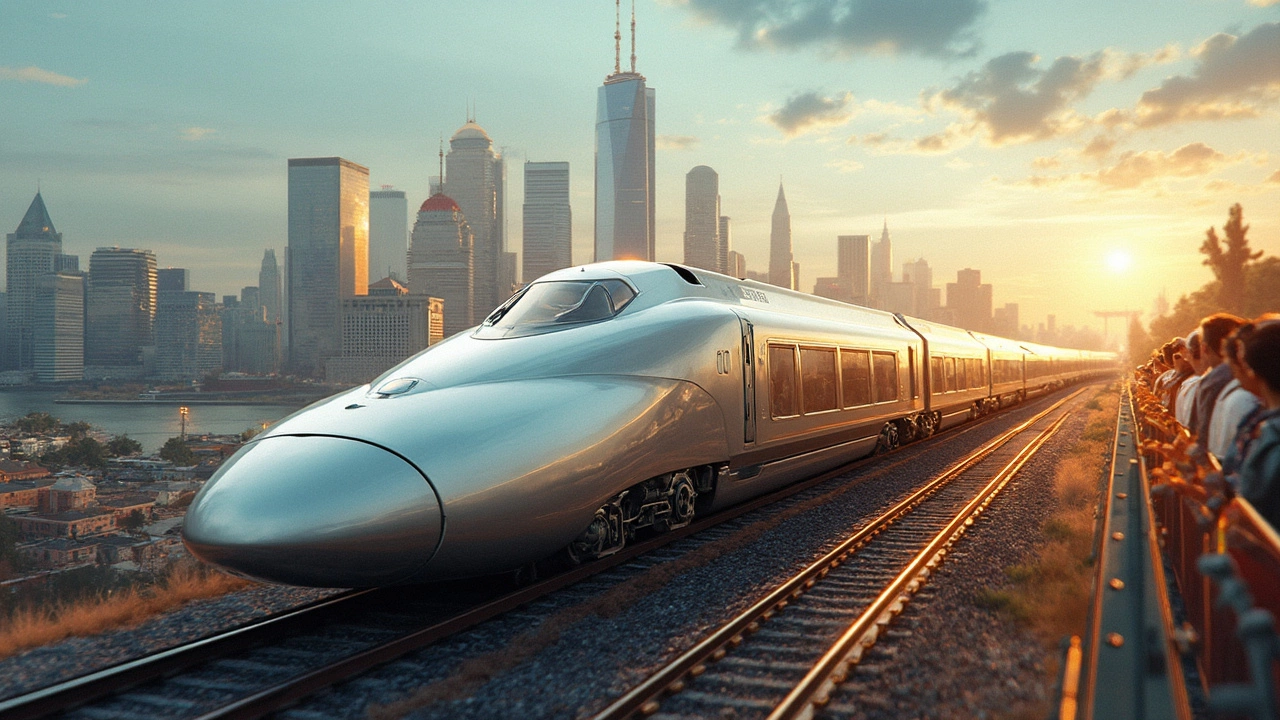
When we talk about high-speed rail, a modern train system that travels at over 250 km/h, connecting major cities with minimal stops. Also known as bullet train, it’s not just faster—it’s a complete rethink of how people move across a country the size of India. Right now, most long-distance travel in India relies on regular trains, flights, or road trips. But that’s changing. India is planning its first high-speed rail corridor between Mumbai and Ahmedabad, and if it works, it could become the backbone of intercity travel for millions.
This isn’t just about speed. rail transport India, the network of tracks, stations, and services that move passengers across the country has been stuck in slow gear for decades. High-speed rail changes that. It reduces travel time between Mumbai and Ahmedabad from 6-7 hours to just 2.5. That’s the difference between leaving after breakfast and arriving before lunch. It also means fewer flights, less traffic, and lower emissions. For travelers, it’s a cleaner, more predictable way to get around—no more delays from weather or roadblocks.
And it’s not just about the route between two cities. future of Indian railways, the long-term vision for how India’s train system will evolve with technology, funding, and demand includes more lines—Delhi to Lucknow, Bangalore to Chennai, Hyderabad to Pune. These aren’t just dreams. The government has already allocated billions, and Japanese technology is being used to build the first line. That means the trains will be safe, clean, and on time—something most Indian travelers haven’t experienced before.
What does this mean for you? If you travel often between big cities, you’ll soon have a better option than flying or taking an overnight train. No more airport security lines. No more cramped buses. Just a smooth, fast ride with Wi-Fi, air conditioning, and seats that actually recline. For tourists, it opens up new possibilities—spend a day in Pune, then hop on a train and be in Mumbai before dinner. For locals, it means more job opportunities, better access to healthcare and education, and less time wasted on the road.
There are still questions. Will it be affordable? Will it reach smaller towns? Will it replace buses and trains, or just add another layer? But one thing’s clear: high-speed rail isn’t coming to India to stay quiet. It’s coming to reshape how the country moves. The posts below show what’s already happening—how travelers are adapting, where delays are still happening, and what real people are saying about the future of getting around. Whether you’re planning a trip next month or just curious about India’s infrastructure, you’ll find real insights here—not guesses, not hype. Just facts from the ground.
- May, 1 2025
- 0 Comments
Ever wondered how long a bullet train would take to get you from New York to California? This article breaks down how fast a high-speed rail trip could be, compares it to current train and plane options, and dives into what riding such a train could feel like. You’ll get fun facts, realistic time estimates, and tips for making the most of long-distance luxury train travel. Whether you dream of coast-to-coast adventures or just want to get there faster, this is the info you need.
More