Himalayas trekking: Your guide to the trails, risks, and rewards
When you think of Himalayas trekking, a form of high-altitude hiking through the world’s highest mountain range, primarily in India’s northern states. Also known as mountain trekking in the Indian Himalayas, it’s not just walking—it’s a test of endurance, a reset for the mind, and a direct connection to some of Earth’s most untouched landscapes. Unlike casual hikes, Himalayas trekking demands preparation, respect for altitude, and awareness of weather shifts that can turn a clear day dangerous in hours.
Many of the most popular treks fall in Ladakh, a high-altitude region in northern India known for its barren beauty and extreme conditions. Also known as the roof of the world, Ladakh is home to Stok Kangri, the toughest trek in India. This trail climbs over 6,150 meters and requires acclimatization, proper gear, and physical conditioning. It’s not for beginners, but those who finish it say it changes how they see limits. Nearby, treks like Markha Valley and Chadar offer different challenges—some through frozen rivers, others through remote villages where tea is served by monks.
It’s not just about the climb. Himalayas trekking is deeply tied to altitude sickness, a common risk when ascending too quickly above 2,500 meters. Also known as acute mountain sickness, it causes headaches, nausea, and dizziness—and can be deadly if ignored. The best trekkers don’t rush. They spend days adjusting at lower elevations, drink plenty of water, and listen to their bodies. Many posts in this collection cover how to recognize symptoms, what meds help, and which guides are trustworthy. You’ll also find advice on gear that actually works in freezing winds, how to pack light but smart, and why a good pair of boots matters more than a fancy camera.
Weather plays a huge role too. The best months to go are April to June and September to October. Monsoon season (July–August) brings landslides, and winter (November–March) locks trails under snow. Most travelers don’t realize how quickly conditions change—sunshine can turn to blizzards in an hour. That’s why experienced trekkers check forecasts daily and always carry extra layers, even on clear days.
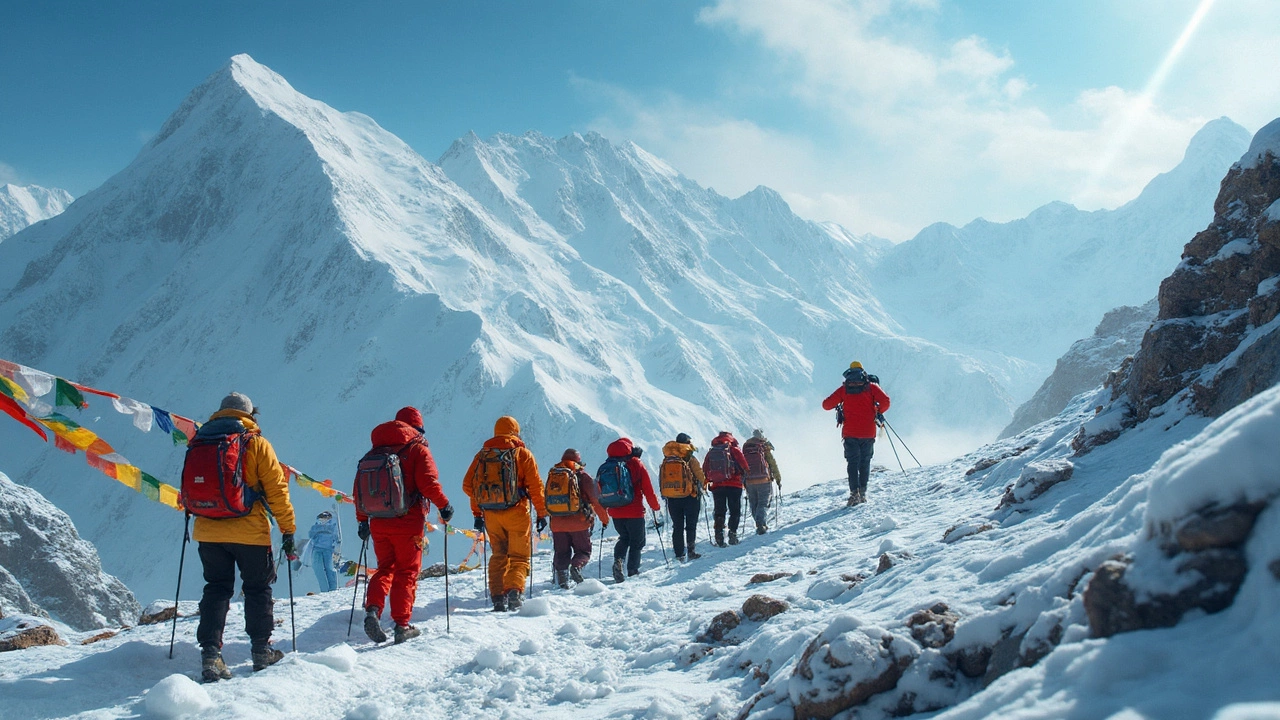
And it’s not just about the mountains. Himalayas trekking connects you to cultures that have lived in harmony with these peaks for centuries. You’ll pass through villages where children wave from stone houses, where prayer flags flutter in the wind, and where the only sounds are footsteps and distant bells. These moments aren’t on postcards—they’re real, quiet, and hard to forget.
Below, you’ll find real stories from people who’ve walked these trails. Some tackled the toughest routes. Others found peace on gentler paths. You’ll learn what gear saved lives, which guides to avoid, and how one wrong decision can turn a dream trip into a nightmare. Whether you’re planning your first hike or your fifth, these posts give you the facts—not the fluff.
- Mar, 1 2025
- 0 Comments
Discover the top trekking organizations in India, known for offering unforgettable trekking experiences across stunning landscapes. Learn about their unique offerings, customer satisfaction, and valuable tips for choosing the right agency for your next adventure. Whether you're eyeing the snowy peaks of the Himalayas or the lush greenery of the Western Ghats, this guide provides everything you need for an exciting and safe trekking venture.
More