Historical Places in India: Top Sites, Stories, and Secrets
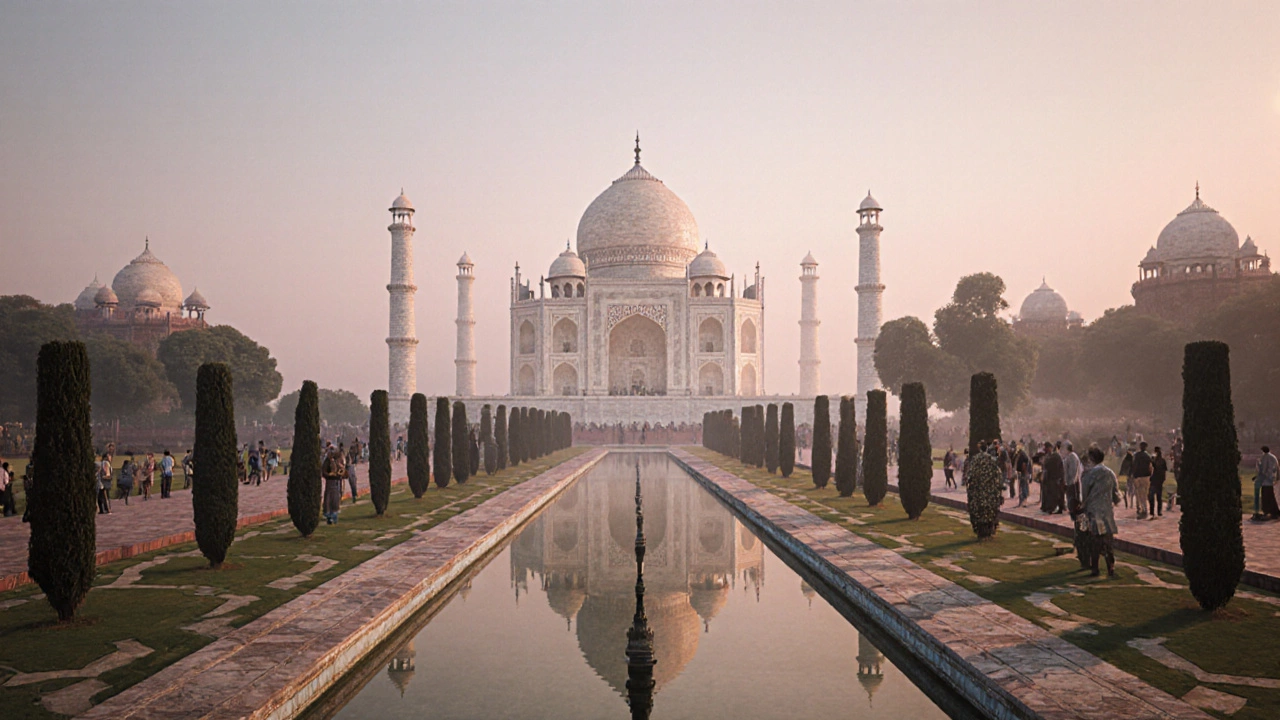
When you think of historical places in India, ancient monuments, royal forts, and sacred ruins that tell stories older than modern nations. Also known as heritage sites India, these places aren’t just postcards—they’re living chapters of a civilization that shaped trade, art, faith, and empire. From the marble halls of the Taj Mahal, a 17th-century mausoleum built by Emperor Shah Jahan for his wife Mumtaz Mahal. Also known as Agra Fort, it’s the most visited monument in the country and a symbol of enduring love. to the carved temples of Khajuraho, a cluster of Hindu and Jain temples famous for their intricate erotic sculptures and spiritual symbolism. Also known as medieval temple architecture, they reveal a society that saw beauty, pleasure, and devotion as deeply connected. India’s past isn’t locked away in museums—it’s walking the streets of Jaipur, India’s only entire city designated a UNESCO World Heritage Site, with its pink walls, grid-planned streets, and royal observatories. Also known as the Pink City, it’s where history still breathes in every bazaar and palace window.
These places aren’t just about age. They’re about meaning. The Fatehpur Sikri, an abandoned Mughal capital built by Akbar to honor a Sufi saint, now standing as a ghost city of perfect architecture. Also known as Mughal urban planning, it shows how power, faith, and design came together in one moment—and then vanished. The Amber Palace, a hilltop fortress in Rajasthan with mirror-lined halls and elephant rides that feel like stepping into a royal parade. Also known as Rajput architecture, it’s where warriors lived like kings, and every corridor had a purpose—defensive, ceremonial, or private. And then there’s Hampi, where boulders cradle ruins of a lost empire, and monkeys roam among pillars that once held temple bells. These aren’t just tourist spots. They’re places where time doesn’t feel like it’s passed—it feels like it paused.
What makes these sites stand out isn’t just their size or age. It’s how they still work. People pray in temples older than Columbus. Families picnic under Mughal arches. Tourists and locals share chai at the same steps where emperors once walked. You don’t just visit these places—you feel them. That’s why some travelers come for the photos, but leave with a deeper understanding of India’s soul.
Below, you’ll find real guides from people who’ve walked these paths—whether it’s learning why Jaipur beats Agra for quiet heritage, how to avoid crowds at the Taj, or why a hidden temple in Madhya Pradesh is worth the detour. No fluff. Just what you need to see, feel, and understand these places—not just as sights, but as stories still being lived.
- Nov, 16 2025
- 0 Comments
The Taj Mahal is India's No. 1 historical site due to its global recognition, emotional impact, and millions of annual visitors. More than just a monument, it's a symbol of love and architectural genius.
More