India heritage sites: Explore UNESCO treasures, ancient cities, and living culture
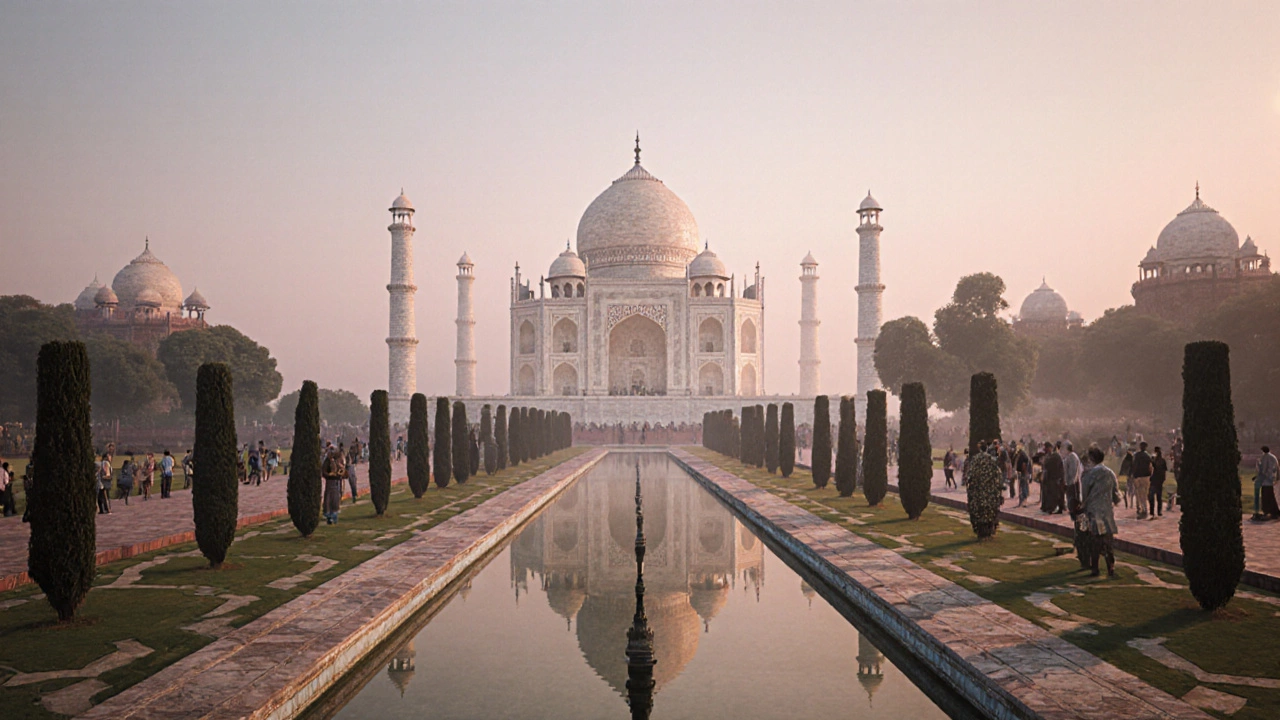
When you think of India heritage sites, ancient monuments and cultural landmarks recognized for their historical and architectural value. Also known as UNESCO World Heritage Sites in India, they’re not frozen in time—they’re still part of daily life, festivals, and local pride. India has over 40 of these sites, more than any other country in South Asia. From the marble grandeur of the Taj Mahal, a 17th-century mausoleum in Agra built by Emperor Shah Jahan for his wife Mumtaz Mahal to the stepped wells of Gujarat and the rock-cut temples of Ellora, these places tell stories that go beyond stone and mortar.
What makes these sites special isn’t just their age—it’s how they’re still alive. In Jaipur, the only entire city in India designated as a UNESCO World Heritage Site, locals still live in the pink-painted homes, shop in the same bazaars that existed in 1727, and celebrate festivals under the same palace arches. Unlike museums, these places breathe. The Agra Fort, a red sandstone fortress that once housed Mughal emperors and their courts isn’t just a tourist stop—it’s where families still picnic on its lawns and children run through its courtyards. These aren’t relics. They’re roots.
Some sites draw millions because of their beauty, like the Khajuraho temples with their intricate carvings, or Hampi’s crumbling palaces scattered across boulder-strewn landscapes. Others, like the Buddhist caves of Ajanta or the historic city of Fatehpur Sikri, reveal deeper truths about faith, power, and everyday life centuries ago. And while you’ll hear a lot about the Taj Mahal, the real magic often lies in the quieter places—the stepwells of Rajasthan, the colonial churches of Goa, or the ancient temples of Madurai that still ring with morning chants.
What you’ll find below isn’t just a list. It’s a collection of real traveler experiences, practical guides, and honest insights into what these places are actually like today. Whether you’re wondering if it’s safe to eat near these sites, how long to spend in South India to see them properly, or which city truly holds India’s richest heritage, the posts here give you the answers without the fluff. You’ll learn why Jaipur stands apart from Agra, why Mysore’s quiet palaces beat crowded spots, and how a $100 budget can stretch further than you think when you’re exploring centuries of history on foot.
- Nov, 16 2025
- 0 Comments
The Taj Mahal is India's No. 1 historical site due to its global recognition, emotional impact, and millions of annual visitors. More than just a monument, it's a symbol of love and architectural genius.
More