India travel budget: How to explore India on a tight budget
When you think of India travel budget, the total amount of money needed to plan and enjoy a trip across India, including food, transport, lodging, and activities. Also known as affordable India trip, it’s not about skipping experiences—it’s about choosing them wisely. India is one of the most budget-friendly countries in the world for travelers, but that doesn’t mean you can just show up and expect everything to be cheap. Knowing where your money goes—and where it doesn’t—is what turns a good trip into a great one.
Most travelers underestimate how much food impacts their India travel budget, the total amount of money needed to plan and enjoy a trip across India, including food, transport, lodging, and activities. Also known as affordable India trip, it’s not about skipping experiences—it’s about choosing them wisely.. A meal at a local eatery costs less than $2, and street snacks like pani puri or dosa are even cheaper. But if you’re eating at tourist traps or hotel restaurants, prices can jump 300%. Same goes for transport, the way you move between cities and towns in India, including trains, buses, and rickshaws. Also known as local transit in India, it’s the backbone of any budget journey.. Overnight trains are the smartest move—cheap, safe, and a cultural experience in themselves. A 12-hour ride might cost less than $15. Buses? Even cheaper, but slower. Taxis? Only use them if you’re splitting the fare. And always, always negotiate fares before you get in.
accommodation, where you sleep during your trip in India, ranging from hostels to guesthouses and budget hotels. Also known as cheap stays India, it’s one of the biggest levers you can pull to save money. You don’t need a five-star hotel to feel comfortable. Clean guesthouses in cities like Mysore or Jaipur start at $8 a night. Even in Goa, you can find basic rooms for under $15. Hostels with dorm beds are great for solo travelers and often include breakfast. Skip the resorts unless you’re planning a long stay—they’re designed to drain your wallet.
What you can actually afford on a $25/day budget
With $25 a day, you can cover food, transport, and a basic room—leaving room for entry fees and small souvenirs. The Taj Mahal costs less than $15 for foreigners. Most temples and forts are under $5. A Coke? Around $0.50. A local bus ride? $0.10. You can even afford a guided walking tour in old Delhi or a boat ride on the backwaters of Kerala for under $10. The key is to avoid anything marketed as "tourist experience"—those are just inflated prices with no added value.
India’s real value isn’t in luxury—it’s in authenticity. You can sit with locals at a roadside stall, ride a train with farmers heading home, or wake up to the sound of temple bells in a quiet village—all for pennies. The India travel budget, the total amount of money needed to plan and enjoy a trip across India, including food, transport, lodging, and activities. Also known as affordable India trip, it’s not about skipping experiences—it’s about choosing them wisely. isn’t about how little you spend. It’s about how much you get in return. Below, you’ll find real stories from travelers who did it right: how they ate safely without getting sick, why Mysore beat Goa for value, how much a Coke really costs, and why India beats Thailand hands down when money’s tight. This isn’t theory. It’s what works on the ground.
- Mar, 27 2026
- 0 Comments
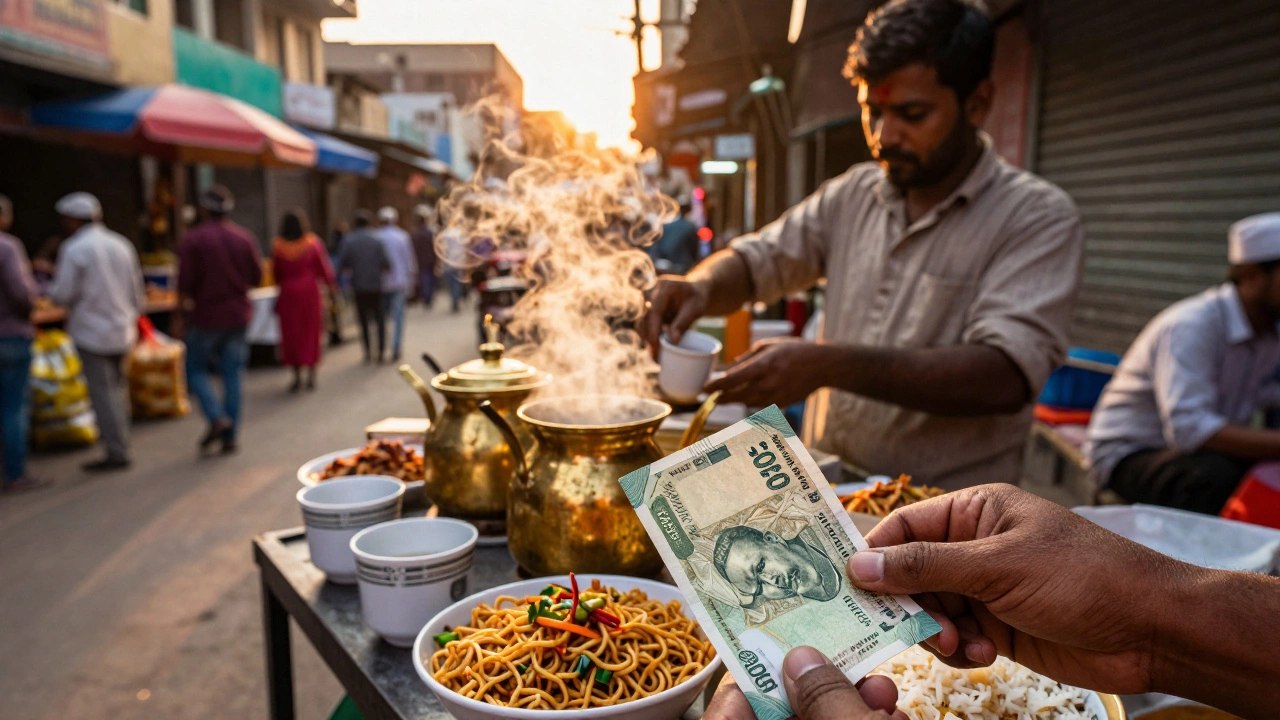
Discover if 500 Indian Rupees offers value in 2026. Learn exactly what a 500 INR note can buy across different Indian cities, from food to transport, to help plan your budget trip.
More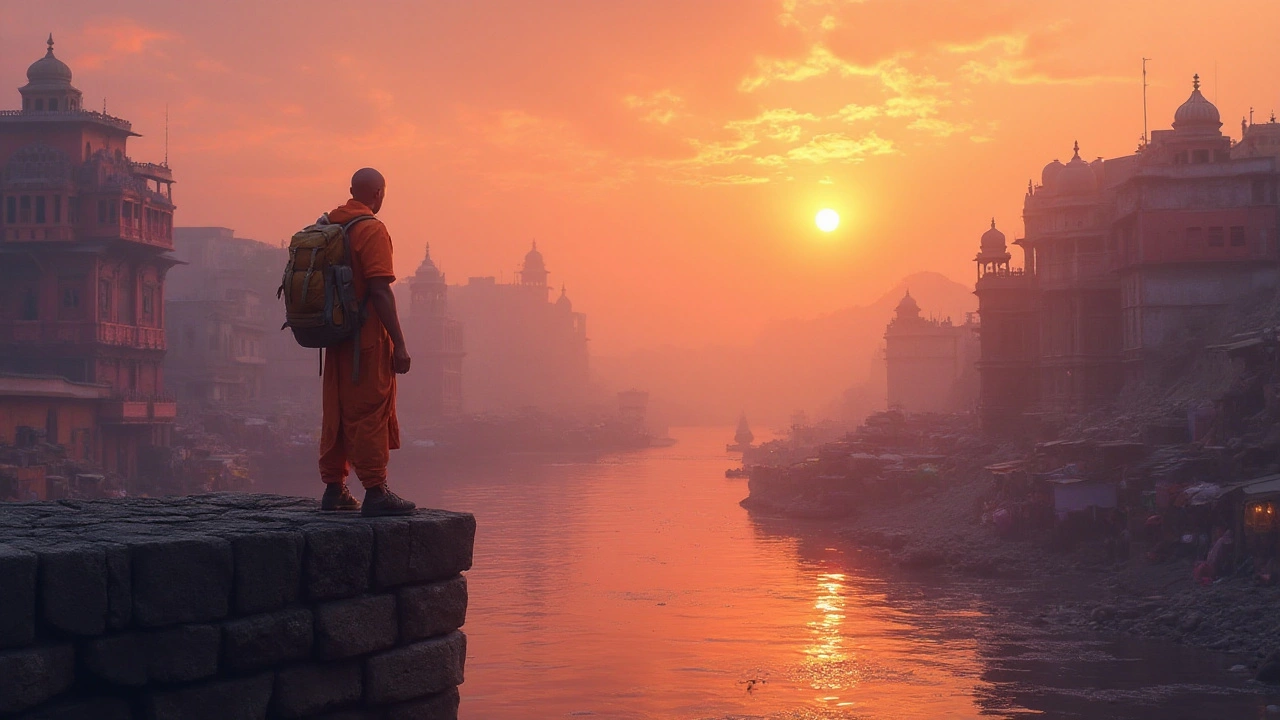
- Feb, 1 2025
- 0 Comments
Traveling through India on a budget is an adventure filled with vibrant cultures and diverse landscapes. Explore how much money you'll need to journey across this vast country without breaking the bank. Learn tips for saving on accommodation, transportation, and food while still experiencing the rich tapestry of Indian life. From bustling cities to serene villages, discover how to make the most of your travel funds and embrace the spirit of exploration in India.
More