India Trekking Tours: Best Trails, Tips, and What to Expect
When you think of India trekking tours, guided outdoor adventures through India’s mountain ranges, forests, and remote highlands. Also known as mountain hiking in India, it’s not just about walking—it’s about pushing your limits in some of the world’s most dramatic landscapes. Whether you’re stepping onto a mossy trail in the Western Ghats or climbing toward snow-dusted peaks in Ladakh, every trek tells a story. And unlike resort vacations, these journeys leave you stronger, quieter, and deeply connected to the land.
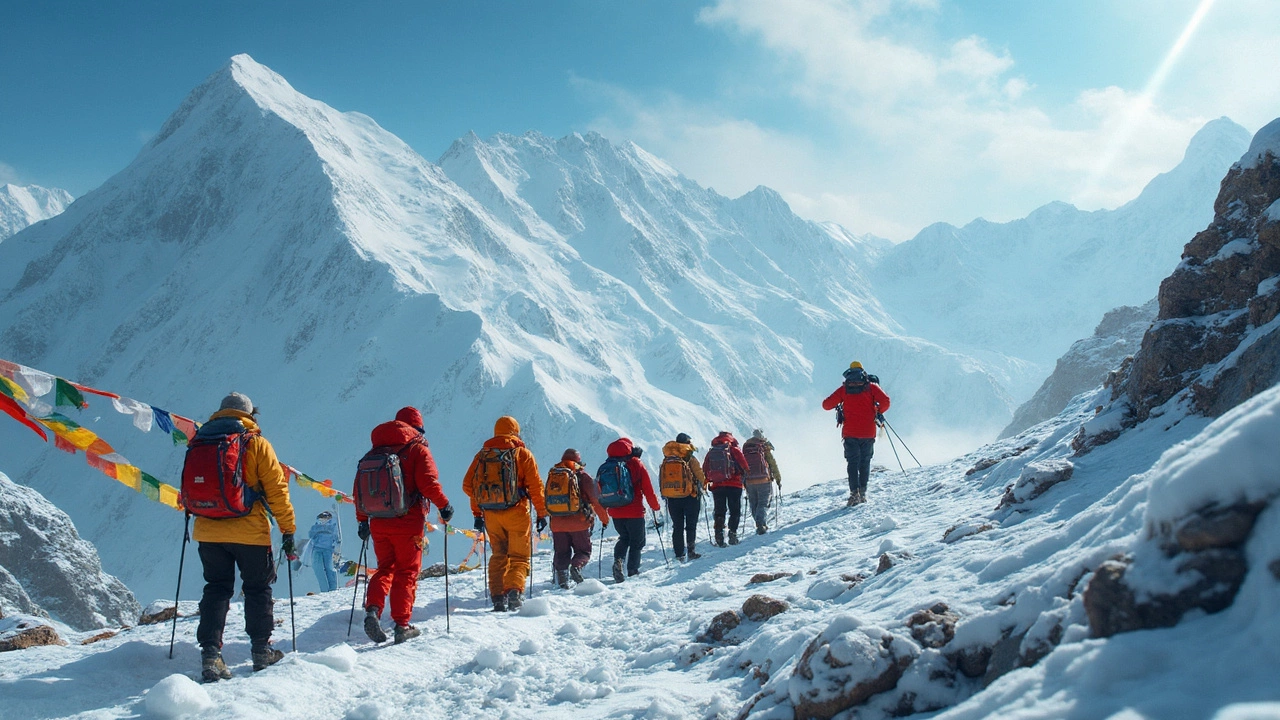
One of the most famous Stok Kangri trek, a high-altitude climb in Ladakh that tests endurance, oxygen levels, and mental grit, draws serious adventurers every year. It’s not for beginners, but it’s the benchmark for what makes Indian trekking unique: raw terrain, thin air, and zero tourist crowds beyond the trailhead. Then there’s the high altitude trek India, a category that includes routes above 4,000 meters, where acclimatization isn’t optional—it’s life-saving. These aren’t day hikes. You need proper gear, time to adjust, and respect for the mountains. But the views? Unmatched. Clear skies, snow-capped giants, and silence so deep you hear your own heartbeat.
Not all treks demand altitude. The forests of South India offer lush, humid trails through tea plantations and ancient temples, perfect for those who want beauty without the thin air. Places like Coorg and the Nilgiris give you misty mornings, waterfalls, and local homestays—all without needing a permit or a climbing license. And here’s the truth: you don’t need to be an athlete to start. Many Ladakh adventure, a term often used for treks in northern India’s rugged terrain, including multi-day hikes and camping trips routes have beginner-friendly versions. The key is choosing one that matches your fitness, not your Instagram feed.
What makes India trekking tours different from Nepal or Bhutan? Cost, for one. You can hire a guide, get meals, and rent gear for less than half the price of similar trips elsewhere. Also, the cultural layers are deeper—you’ll pass prayer flags, monasteries, and villages that haven’t changed in centuries. And unlike commercialized trails, many Indian routes still feel untouched. You might share the path with a goat herder or a monk, not a group of selfie sticks.
There’s a reason people come back. Trekking isn’t just exercise—it’s a reset. Your phone dies. Your thoughts slow. Your body learns what it’s made of. And when you reach that ridge at sunrise, watching the sun paint the Himalayas gold, you don’t need words. You just breathe. Below, you’ll find real stories from people who’ve done these treks—what they packed, what surprised them, and what they wish they’d known before they left.
- Mar, 1 2025
- 0 Comments
Discover the top trekking organizations in India, known for offering unforgettable trekking experiences across stunning landscapes. Learn about their unique offerings, customer satisfaction, and valuable tips for choosing the right agency for your next adventure. Whether you're eyeing the snowy peaks of the Himalayas or the lush greenery of the Western Ghats, this guide provides everything you need for an exciting and safe trekking venture.
More