India Weather Guide: What to Expect by Season and Region
When you think about India weather, the seasonal shifts across a vast country that spans tropical coasts, high mountains, and arid plains. Also known as India climate, it’s not one single pattern—it’s dozens, changing dramatically from state to state and month to month. You can’t plan a trip to Kerala the same way you plan one to Ladakh. The heat in Rajasthan isn’t like the humidity in Chennai. And the monsoon doesn’t hit Delhi and Goa on the same day. This isn’t just about rain or sun—it’s about when to travel, what to pack, and how to avoid getting caught off guard.
The monsoon season, the defining weather event across most of India, bringing heavy rain from June to September. Also known as rainy season, it transforms the landscape but can also disrupt travel plans. If you’re heading to South India, you’ll see how places like Mysore and Kochi get lush and quiet during this time, while Goa’s beaches turn muddy and some ferries stop running. Meanwhile, in the north, cities like Jaipur and Agra stay hot and dry longer, making them better for sightseeing before the rains arrive. Then there’s the winter season, from November to February, when northern India cools down and southern regions stay warm and dry. Also known as peak tourist season, this is when most travelers choose to visit because the skies are clear, the air is crisp, and flights are often cheaper. It’s also when trekking routes like Stok Kangri open up, and wildlife sanctuaries become easier to explore.
And don’t forget the summer months, March to May, when temperatures can hit 45°C in places like Delhi and Hyderabad. Also known as hot season, this isn’t the time to hike or wander old forts unless you’re prepared for extreme heat. But if you’re smart, you’ll use this time to head to hill stations like Ooty or Manali, where the weather stays mild. The key isn’t just knowing the average temperature—it’s understanding how weather affects what you can do. A rainy day in South India might mean fewer tourists at a temple, but a flooded road could leave you stranded. A sunny day in Rajasthan is perfect for photos, but without sunscreen and water, you’ll be in trouble.
What you’ll find in the posts below isn’t just a list of months and temperatures. It’s real advice from travelers who’ve been there: which month actually gives you the best flight deals to South India, why some beaches are empty in July but packed in December, and how to eat safely when the humidity makes food spoil faster. You’ll learn why Jaipur stays comfortable longer than Delhi in spring, and why the best time to visit the Taj Mahal isn’t the most popular one. This isn’t a textbook weather report—it’s a practical guide built from trips taken, mistakes made, and discoveries found on the ground. Whether you’re planning a short getaway or a three-week journey across the country, the right weather timing makes all the difference.
- Oct, 13 2025
- 0 Comments
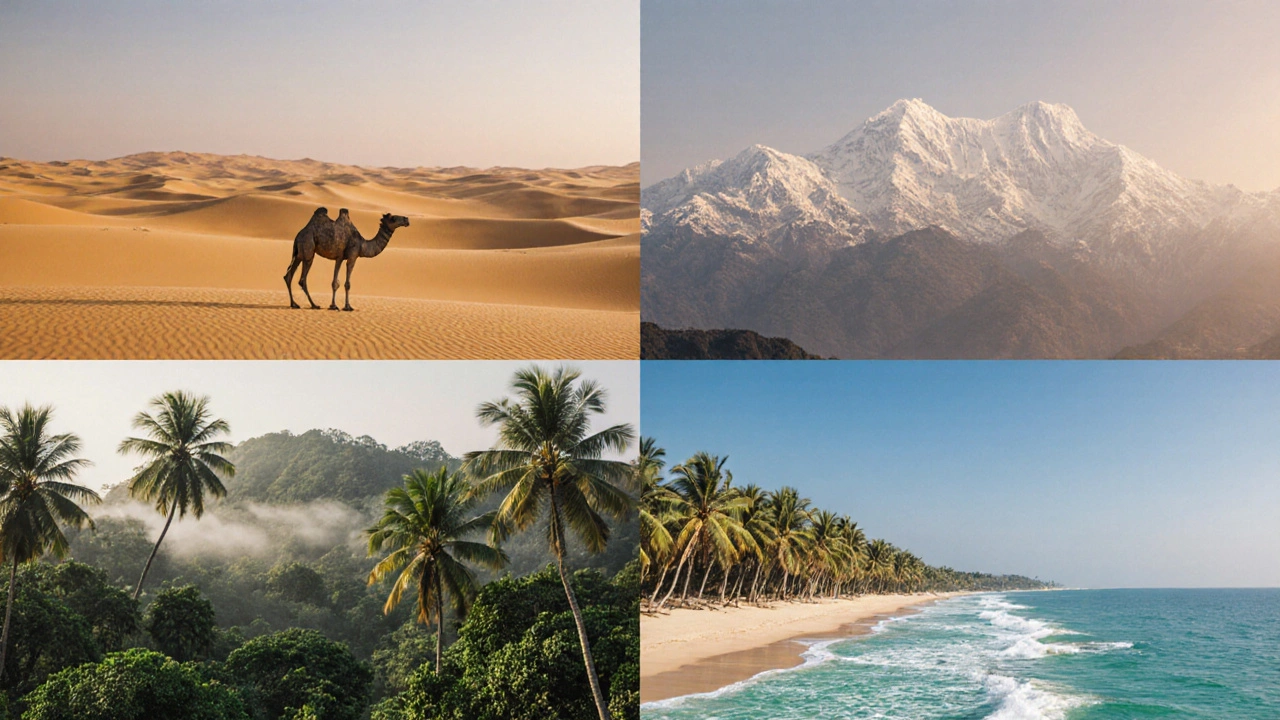
Discover the optimal months to explore India, from comfortable weather windows to festival highlights, activity tips, and practical planning advice.
More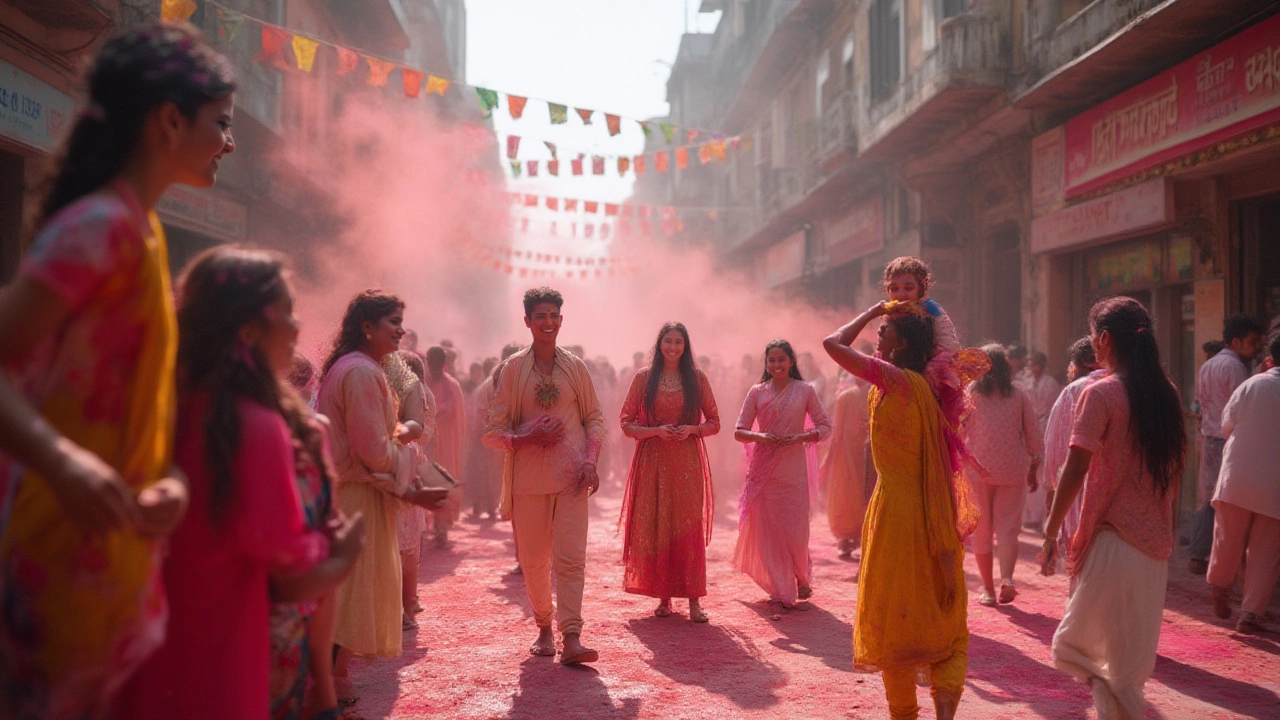
- Jul, 10 2025
- 0 Comments
Curious about when to travel to India? Explore the best seasons, top festivals, weather details, and pro tips for the perfect trip, from snowy Himalayas to sunny beaches.
More