Indian cuisine: Taste, safety, and travel tips for authentic flavors
When you think of Indian cuisine, a vibrant, regionally diverse collection of flavors, spices, and cooking traditions from across the Indian subcontinent. Also known as South Asian food, it’s not just about curry—it’s about tandoori breads, coconut-based curries in the south, lentil stews in the west, and spice blends passed down for generations. Many travelers worry about food safety, especially when it comes to fresh salads or street food. But with the right knowledge, you can eat boldly and safely. The key isn’t avoiding local food—it’s learning how to choose where to eat.
Indian cuisine varies wildly from state to state. In South India, a region known for rice-based meals, coconut milk, and mild chilies, you’ll find dosas and sambar that are light, fresh, and often served hot off the griddle. Meanwhile, in the north, butter chicken and naan dominate, and street vendors sell piping hot chaat that’s bursting with tangy tamarind and crunchy sev. You don’t need to stick to hotels to eat well. Many of the best meals come from small stalls where locals line up. The trick? Look for busy spots with high turnover—food that’s cooked fresh and served hot is less likely to cause issues.
Some travelers assume Indian food is always spicy, but that’s not true. Dishes range from mild and creamy to fiery hot, and you can always ask for "less spice" or "no chili." You’ll also find vegetarian options everywhere—India has one of the highest rates of vegetarianism in the world, so even small towns have great plant-based meals. And if you’re on a budget, you’ll be thrilled: a full meal at a local eatery can cost less than $2. A Coke? Around 40 rupees. A plate of dal-rice? Often under 60 rupees.
It’s not just about what you eat—it’s about how you eat it. Avoid raw salads unless you’re sure the vegetables were washed in purified water. Stick to bottled drinks. Eat fruits you can peel yourself. And if you’re unsure, follow the locals. If you see a group of workers grabbing a quick bite at a roadside stall, that’s your sign it’s safe and delicious.
From the bustling markets of Delhi to the quiet lanes of Mysore, Indian cuisine is deeply tied to culture, history, and daily life. You’ll find dishes shaped by centuries of trade, religion, and climate. And while the Taj Mahal draws millions, it’s the humble plate of biryani or the crisp bite of a pani puri that stays with you long after you leave.
Below, you’ll find real traveler guides on where to eat safely in India, how to spot the best street food, what to expect on a budget, and why some cities serve food that’s unlike anywhere else. Whether you’re planning a trip to Goa, Kerala, or Punjab, these posts give you the tools to eat like a local—not just a tourist.
- Sep, 23 2025
- 0 Comments
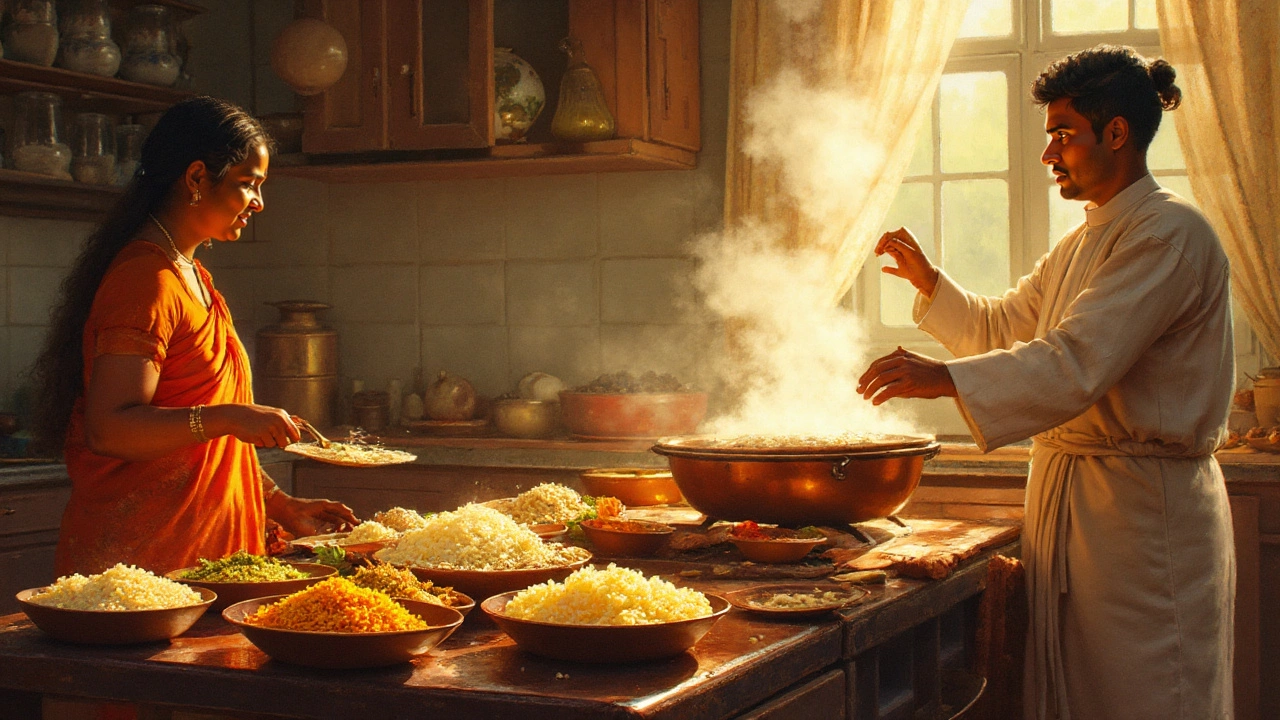
Discover why rice is the most eaten food in India, backed by consumption data, regional habits, and its role in Indian cuisine.
More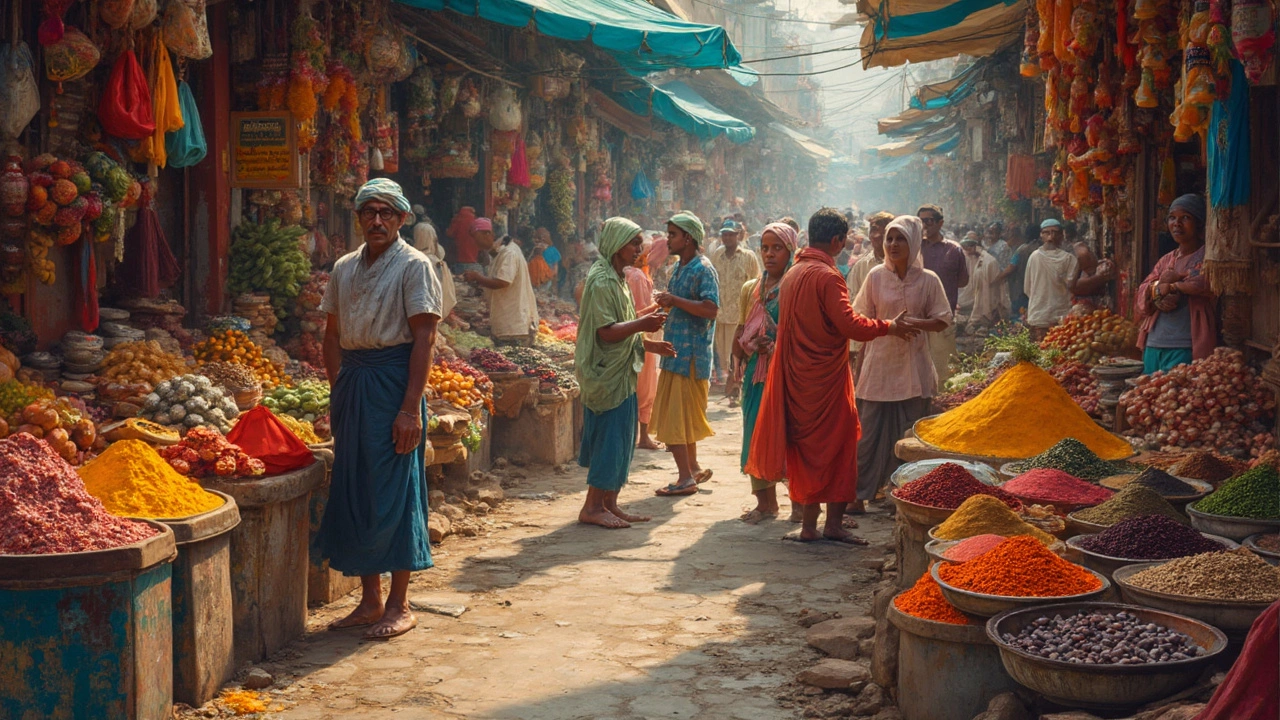
- Feb, 6 2025
- 0 Comments
Indian culture food is a vibrant and diverse reflection of India's rich cultural heritage. From spicy curries and fragrant biryanis to sweet desserts, it offers a sensory experience. The cuisine is influenced by regional variations, historical invasions, and religious practices. Discovering Indian food is also about understanding its cultural significance and traditions. Whether you're a foodie or a curious traveler, Indian cuisine provides a unique and flavorful journey.
More