Indian Culture Food: What You Need to Know About India’s Real Cuisine
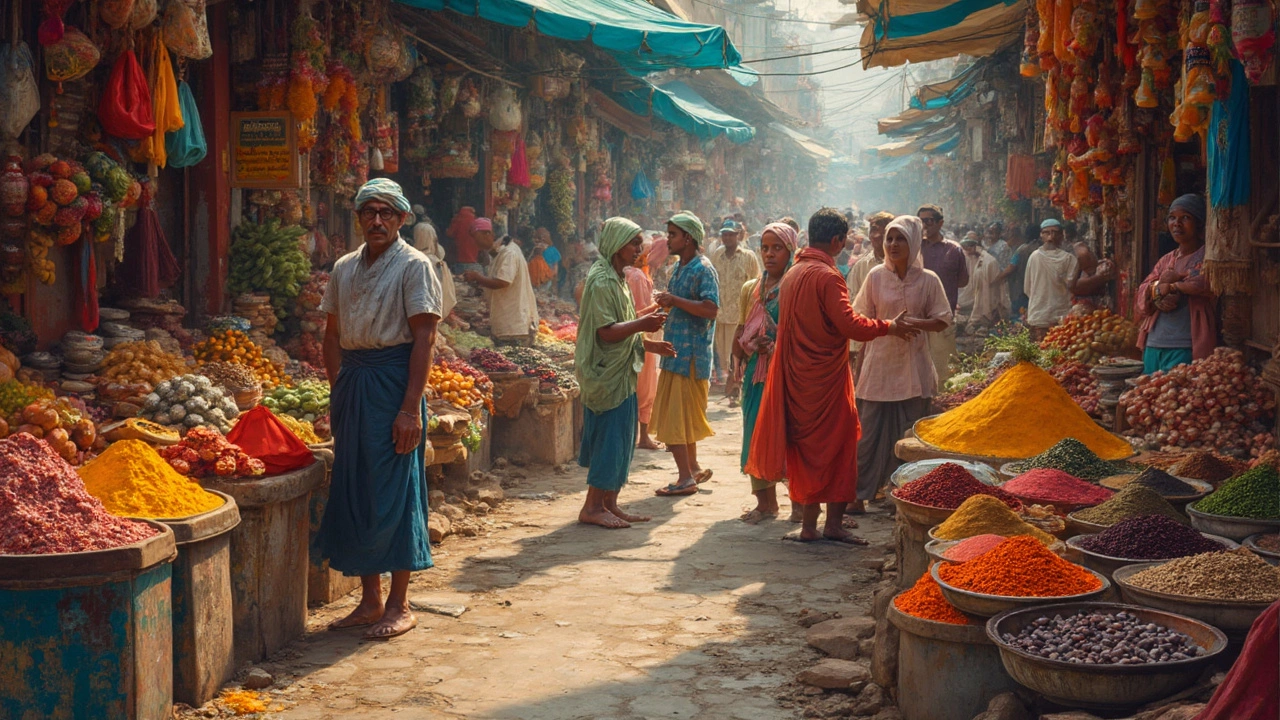
When people talk about Indian culture food, the rich, diverse, and deeply rooted culinary traditions of India that vary by region, community, and season. Also known as Indian cuisine, it’s not just meals—it’s history on a plate, passed down through generations, shaped by climate, religion, and trade. This isn’t one single style of cooking. It’s hundreds of them. In the north, you’ll find creamy curries and tandoori breads. In the south, it’s rice, coconut, and fiery chutneys. The west serves up seafood and spicy snacks. The east brings sweets and mustard oil. And everywhere, you’ll find street food that’s cheaper, tastier, and often safer than you’ve been told.
One big myth? That Indian food is always spicy or unsafe. The truth? You can eat fresh salad in South India if you know where to look. You can sip chai from a roadside stall without getting sick. You can enjoy a $1 dosa in Mysore or a $2 biryani in Hyderabad and walk away happy, not sick. Street food India, the vibrant, daily eating culture found in markets, roadside stalls, and family-run carts across towns and cities. Also known as Indian street cuisine, it’s where most locals eat—and where the real flavors live. The key isn’t avoiding it. It’s learning how to choose wisely. Look for busy stalls. Watch how food is handled. Trust your gut—literally. If it’s hot, fresh, and moving fast, it’s usually fine.
South India food, the distinct culinary style of Tamil Nadu, Kerala, Karnataka, and Andhra Pradesh, known for rice-based meals, lentil dals, tamarind sourness, and coconut-rich curries. Also known as Dravidian cuisine, it’s lighter, tangier, and often more vegetarian than northern dishes. Think idli steamed in banana leaves, sambar with fresh veggies, and coconut chutney that tastes like sunshine. This isn’t just food—it’s daily ritual. And it’s the reason so many travelers return again and again. You don’t need to eat at fancy restaurants to taste it. Sometimes, the best meal is on a plastic stool under a tin roof.
Indian culture food isn’t about fancy plating or Instagram trends. It’s about spice blends made in small batches, mothers teaching daughters how to grind masala, and festivals where food is the center of celebration. It’s the difference between a $2 roadside vada and the $15 version in a tourist hotel. It’s knowing that a Coke in India costs less than a bottle of water in some countries—and that’s just the start.
What you’ll find below are real, practical guides written by people who’ve eaten their way across India. You’ll learn how to eat salad without fear, why Mysore is the best city for food and calm, how to stretch your budget with real prices, and which places serve food that’s both authentic and safe. No fluff. No guesswork. Just what works—for your stomach, your wallet, and your travel dreams.
- Feb, 6 2025
- 0 Comments
Indian culture food is a vibrant and diverse reflection of India's rich cultural heritage. From spicy curries and fragrant biryanis to sweet desserts, it offers a sensory experience. The cuisine is influenced by regional variations, historical invasions, and religious practices. Discovering Indian food is also about understanding its cultural significance and traditions. Whether you're a foodie or a curious traveler, Indian cuisine provides a unique and flavorful journey.
More