Indian Festivals: Celebrations, Traditions, and What to Expect
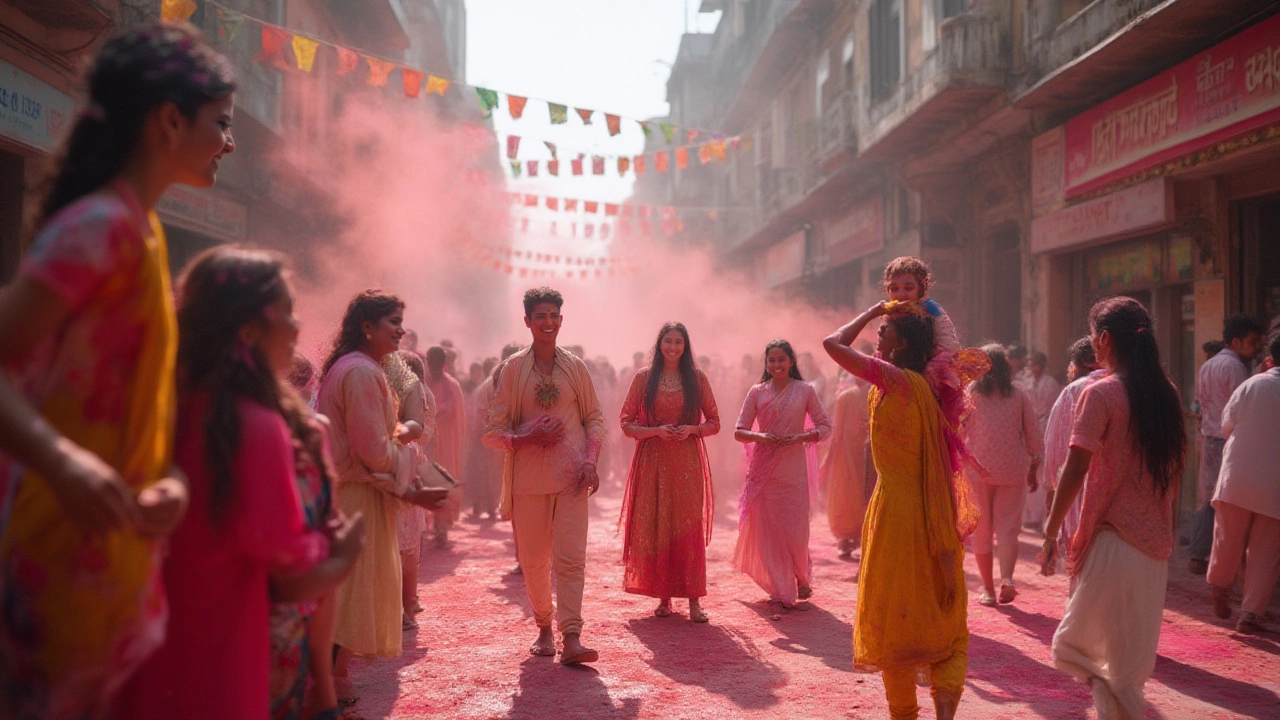
When you think of Indian festivals, vibrant, community-driven events rooted in religion, season, and history that define India’s cultural heartbeat. Also known as cultural festivals India, they aren’t just holidays—they’re the pulse of everyday life across villages, towns, and cities. Whether it’s the deafening drums of Durga Puja in Kolkata, the floating lamps of Diwali in Varanasi, or the colorful powder fights of Holi in Mathura, these events draw millions—not just as spectators, but as participants.
Indian festivals aren’t one-size-fits-all. They vary wildly by region, religion, and even local legend. Hindu festivals, the most widespread, tied to lunar calendars and ancient texts, include Diwali, Navratri, and Raksha Bandhan dominate the national calendar, but you’ll also find regional festivals India, unique celebrations like Onam in Kerala, Pongal in Tamil Nadu, or Bihu in Assam that locals guard as their own. These aren’t tourist shows—they’re deeply personal. In rural Punjab, Baisakhi marks the harvest and the start of the Sikh new year. In Goa, Shigmo blends Hindu rituals with Portuguese-era music and dance. Even food changes: sweet jalebis in the north, coconut rice in the south, and fermented rice cakes in the northeast—all part of the celebration.
Timing matters. Unlike fixed Western holidays, many Indian festivals shift each year based on lunar cycles. That means you might catch Holi in February one year and March the next. The festival calendar India, a living, breathing schedule shaped by centuries of astronomy and tradition is your best guide. Planning around these dates isn’t just smart—it’s essential if you want to experience the real thing, not just the sanitized version for visitors. You’ll find fewer crowds, better prices, and deeper connections if you show up when locals are already celebrating.
These festivals aren’t about perfection. They’re messy, loud, sweaty, and sometimes overwhelming. But that’s the point. You’ll see grand temples lit with oil lamps, children dancing in the streets, elders chanting prayers, and strangers sharing sweets with no questions asked. You won’t always understand the rituals—but you’ll feel them. That’s the magic. And the best part? You don’t need to be religious to join in. Whether you’re eating ladoos during Diwali, dancing at a Dandiya night, or just watching the river float with candles, you’re part of something older than any guidebook.
What you’ll find below are real stories from travelers who’ve been there—not just the highlights, but the quiet moments too. How to stay safe during Holi crowds. Why some festivals shut down cities for days. Where to find the best street food during Navratri. Which festivals are still untouched by tourism. These aren’t generic lists. They’re firsthand experiences that show you how to move through Indian festivals like someone who belongs, not just someone who visited.
- Jul, 10 2025
- 0 Comments
Curious about when to travel to India? Explore the best seasons, top festivals, weather details, and pro tips for the perfect trip, from snowy Himalayas to sunny beaches.
More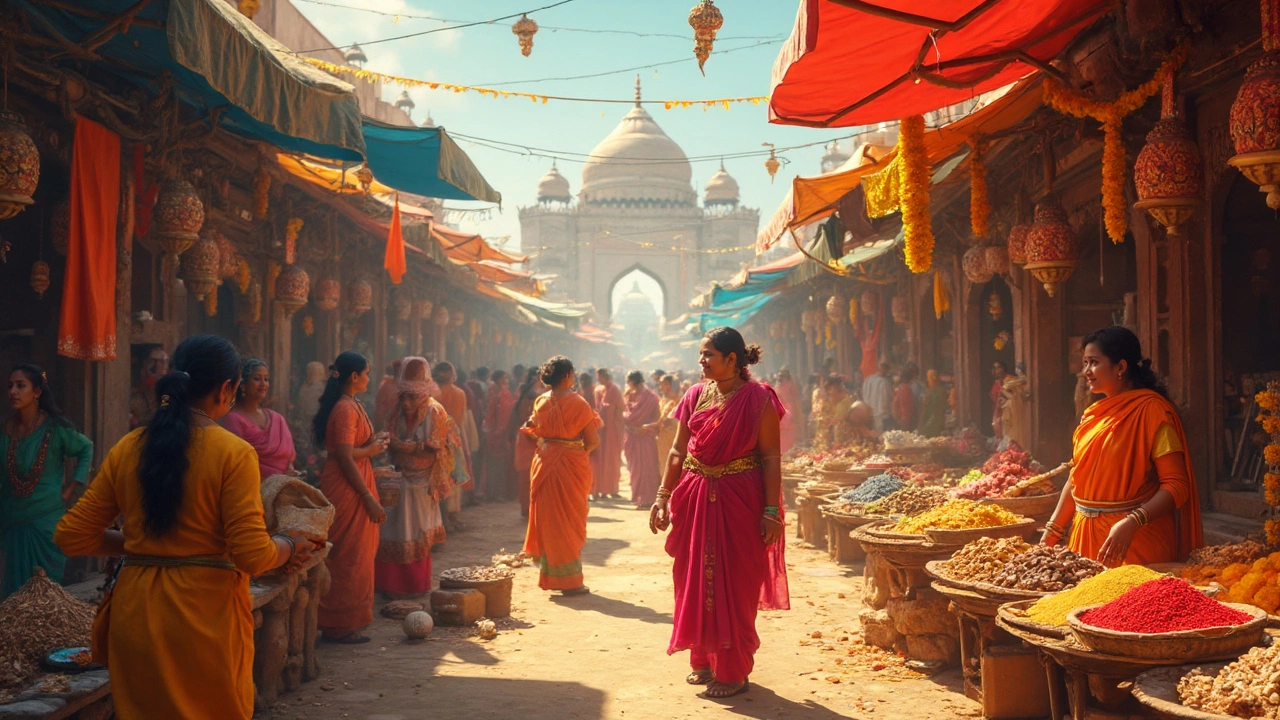
- May, 8 2025
- 0 Comments
Travelers are drawn to India not only for its history and architecture, but also for its living culture and traditions. Unique activities like festival hopping, exploring vibrant markets, and tasting regional dishes keep people coming back. Heritage sites and spiritual journeys have a big pull, too. The country’s hands-on workshops and adventure offerings add another layer of fun. India's variety means everyone finds something that clicks with them.
More