Indian Food: Taste, Safety, and Culture Behind India’s Beloved Cuisine
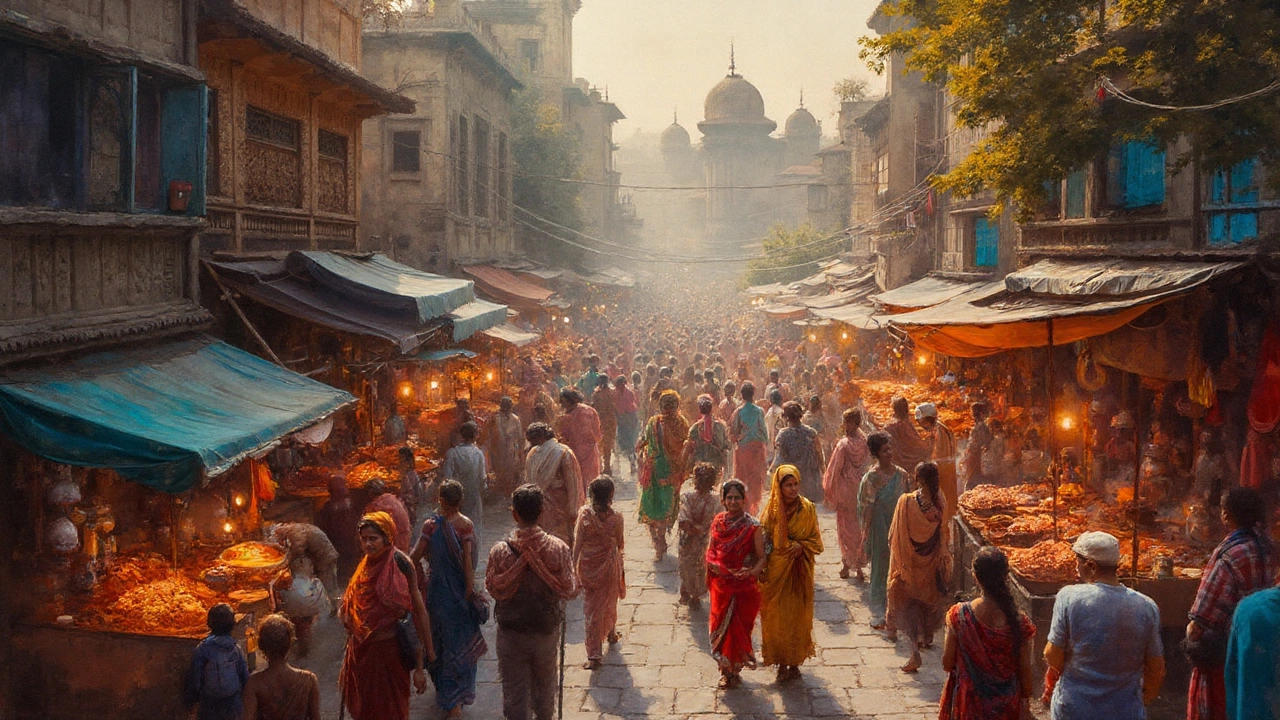
When you think of Indian food, a rich, regional cuisine shaped by centuries of trade, religion, and climate. Also known as South Asian cuisine, it’s not just about curry—it’s a living system of flavors passed down through families, markets, and temple kitchens. Every region tells a different story: the coconut-heavy dishes of Kerala, the wheat-and-dairy rich meals of Punjab, the fermented rice cakes of Tamil Nadu. This isn’t abstract culture—it’s what people eat every single day, often for under $2 a meal.
One of the biggest questions travelers ask is: Is Indian food safe? The answer isn’t yes or no—it’s about knowing where to look. Street vendors in Mysore serve fresh salads washed in filtered water, while some tourist traps in Goa use old oil. You don’t need to avoid Indian food—you need to learn how to read the signs. Look for busy stalls, boiled water in tea, and cooks who handle food with care. The same rules apply whether you’re eating dosa in Bangalore or dal in Jaipur. And yes, a Coke in India costs less than a bottle of water in many countries, but that doesn’t mean every drink is clean. Your body adapts faster than you think, but smart choices make the difference.
Indian food doesn’t exist in a vacuum. It’s tied to heritage cuisine, dishes rooted in centuries-old traditions and local ingredients, and to budget travel India, how travelers stretch their dollars without sacrificing flavor. You can eat like a local for $5 a day, and still taste the same dishes kings once enjoyed. The same South Indian cities that draw visitors for their palaces and quiet streets—like Mysore and Hampi—are also where you’ll find some of the most authentic, affordable meals. And when you compare India to Thailand or the Maldives, it’s not just the beaches that are cheaper—it’s the food. A plate of biryani costs less than a coffee in many Western cities, yet carries the depth of a thousand-year-old recipe.
There’s no single Indian food. It’s a thousand variations, shaped by climate, caste, religion, and history. In Punjab, dairy rules. In Kerala, seafood and coconut oil do. In Ladakh, dried meat and barley keep people alive through winter. What connects them all is how deeply food is woven into daily life—not as performance, but as survival, celebration, and identity. You won’t find this in guidebooks alone. You find it in the woman frying papadums outside the temple, the chaiwallah who remembers your name, the family who invites you to eat because you looked hungry.
Below, you’ll find real advice from travelers who’ve eaten their way across India—how to avoid stomach trouble without giving up street food, which cities serve the best meals for the least money, and why some of the safest, tastiest food isn’t in five-star hotels but in alleyways you’d never find on a map. Whether you’re planning a 7-day trip or a month-long journey, the food you eat will shape your experience more than any monument.
- Aug, 7 2025
- 0 Comments
India thrills and captivates travelers with ancient forts, vibrant spices, street food, spiritual diversity, and landscapes from snowy Himalayas to sunny beaches.
More