Indian Food Prices: What You Really Pay for Meals Across India
When you think about traveling in India, one of the first questions that comes up is: How much does food cost? It’s not just about eating—it’s about understanding what your rupees can buy, where to find the best deals, and how to avoid tourist traps. Indian food prices, the real cost of meals from street stalls to local restaurants across India vary wildly depending on where you are, what you eat, and who you’re eating with. Whether you’re grabbing a plate of dosa in Mysore or a butter chicken in Jaipur, knowing the range helps you budget smarter and eat better.
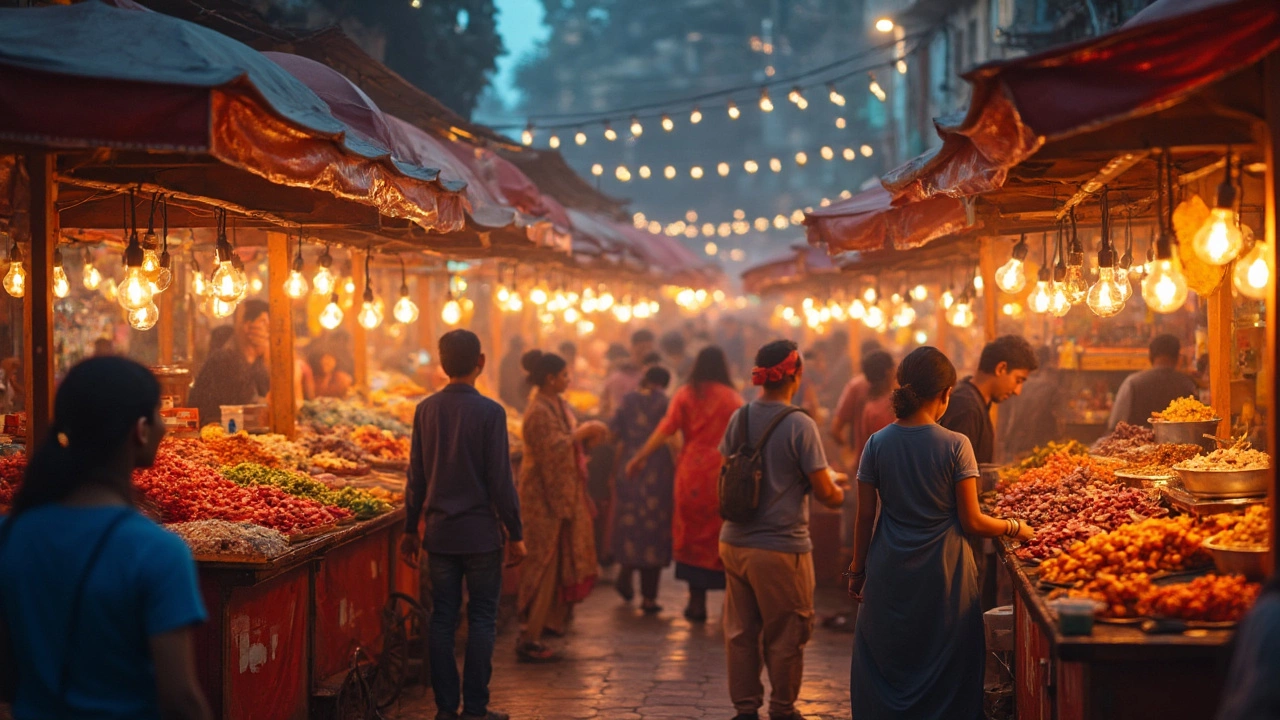
One of the biggest surprises for travelers is how affordable street food, a core part of daily Indian life and a budget traveler’s best friend really is. A plate of pani puri? Around ₹20–₹30. A masala dosa with chutney? ₹50–₹80. Even a full meal at a local dhaba—with rice, dal, roti, and curry—can cost less than ₹150. Compare that to a Coke, which runs ₹40–₹60 depending on where you buy it, and you start to see why India is one of the cheapest places to eat in Asia. And it’s not just the price—it’s the quality. Fresh ingredients, daily-made spices, and hands-on cooking mean you’re not paying for packaging or branding, just flavor.
But prices shift fast when you step into tourist zones or upscale restaurants. In Goa, a seafood platter that costs ₹400 in a local shack might hit ₹1,200 on the beach. In Delhi, a simple thali at a heritage hotel could cost ₹800, while the same meal down the road at a family-run eatery is ₹250. budget travel India, a lifestyle choice for millions who want to explore deeply without draining their wallet isn’t about eating only cheap food—it’s about knowing where to look. The same rule applies to snacks: a samosa from a roadside vendor is ₹10; from a branded café, it’s ₹80. You’re not just paying for food—you’re paying for location, lighting, and a name.
What makes Indian food prices so unique is how they reflect daily life. In small towns, you’ll see families eating together for under ₹100 per person. In cities, office workers grab quick lunches for ₹120. Even in luxury hotels, breakfast might cost ₹600—but you can walk 10 minutes to a local café and eat the same idli-vada for ₹60. The difference isn’t just money—it’s authenticity. And if you’ve ever compared India to Thailand or the Maldives, you’ll notice food here is often half the price, with way more variety. This isn’t a myth—it’s backed by real traveler data from hundreds of daily meals tracked across states.
So what can you actually buy with ₹500 in India? A full day of eating: breakfast samosas, midday biryani, evening chaat, and a cold drink. That’s not a stretch—it’s normal. You don’t need to be rich to eat like a local. You just need to know where to go. Below, you’ll find real stories, real prices, and real tips from travelers who’ve eaten their way across India without breaking the bank. Whether you’re planning your first trip or your tenth, these posts will show you exactly how much to budget, where to splurge, and where to skip the menu entirely and point to what the locals are eating.
- Apr, 12 2025
- 0 Comments
Eating out in India can be a fun part of your journey without emptying your wallet. From street food to sit-down restaurants, discovering India's culinary delights comes with its own set of price tags. Learn what you can expect to spend on a meal across different regions and uncover tips to enjoy authentic cuisine while sticking to a budget. Dive into the vibrant world of Indian flavors and see how far a few bucks can take you.
More