Largest Festival in India
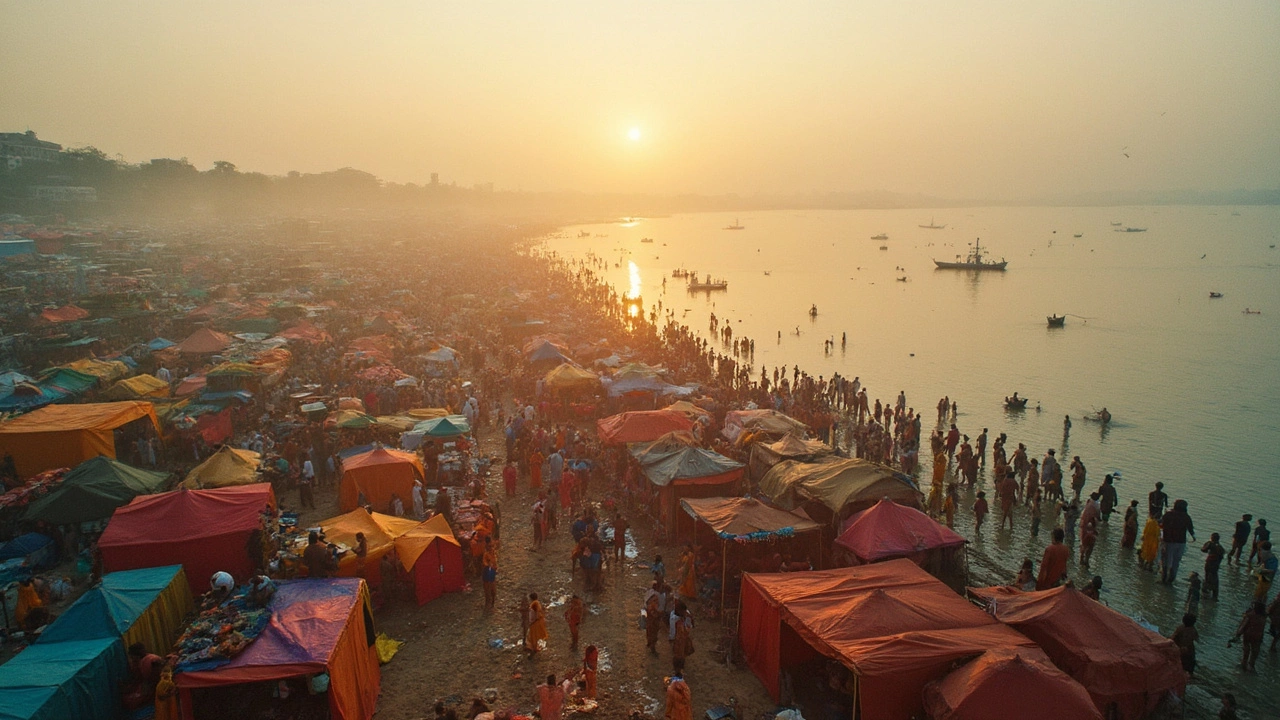
When you think of the largest festival in India, a massive, multi-day celebration that draws hundreds of millions of people across the country. Also known as India's biggest cultural event, it’s not just a single day of partying—it’s a nationwide phenomenon that blends religion, tradition, and pure human energy. The title often goes to the Kumbh Mela, a Hindu pilgrimage and festival held every 12 years at four sacred river confluences. Also known as the world’s largest religious gathering, it’s where over 100 million people show up in a few weeks to bathe in holy waters. In 2019, the Prayagraj Kumbh Mela set a record with more than 150 million attendees over 55 days. That’s more people than the entire population of Germany gathered in one place.
But the largest festival in India isn’t just about scale—it’s about meaning. While Kumbh Mela takes the crown for attendance, other festivals like Diwali, the Festival of Lights, celebrated by Hindus, Sikhs, and Jains across India and beyond. Also known as Deepavali, it turns cities into glowing wonderlands with lamps, fireworks, and family feasts. Then there’s Holi, the riotous spring festival where people throw colored powder and dance in the streets. Also known as the festival of colors, it breaks down social barriers like nothing else. These aren’t just events—they’re living traditions that shape how Indians connect with each other and their heritage. You won’t find a single calendar date for any of them; they follow lunar cycles, so their timing shifts every year. That’s part of what makes them feel timeless.
What ties these festivals together? They’re all deeply rooted in place. The Kumbh Mela moves between Prayagraj, Haridwar, Ujjain, and Nashik. Diwali lights up homes from Mumbai to Manipur. Holi explodes in Mathura, Vrindavan, and Jaipur with unique local flavors. Even if you’ve never been to India, you’ve probably seen videos—crowds in saffron robes, rivers packed with pilgrims, streets painted in neon pink and green. These aren’t staged for tourists. They’re real, raw, and deeply personal to the people who live them.
What you’ll find in the posts below isn’t just a list of festivals. It’s a collection of real travel insights—how to plan around them, where to go for the best experience, what to pack, and how to stay safe among millions. You’ll read about why Uttar Pradesh leads in tourist numbers, how to navigate crowded streets during peak season, and what makes a festival truly unforgettable beyond the visuals. Whether you’re planning your first trip or just curious, this isn’t about ticking boxes. It’s about understanding why India’s biggest celebrations aren’t just events—they’re the heartbeat of the country.
- May, 24 2025
- 0 Comments
Kumbh Mela isn’t just the largest religious festival in India—it’s the largest human gathering on Earth. This article breaks down why Kumbh Mela has such massive appeal, what happens during the festival, and how travelers can experience it safely. Expect insider facts, planning tips, and a peek into the spiritual energy that makes Kumbh Mela unique. From key rituals to practical travel advice, everything you need for understanding this giant celebration is right here.
More