Local Food Experiences in India: Taste the Real Culture
When you think of local food experiences, the real, everyday meals that define a region’s identity through flavor, tradition, and community. Also known as authentic Indian meals, it’s not just about eating—it’s about understanding how people live, celebrate, and survive on what’s fresh, local, and deeply rooted in their land. India’s local food experiences aren’t found in fancy restaurants. They’re in the steam rising from a roadside dosa stall in Mysore, the smell of cardamom and cumin drifting from a home kitchen in Punjab, the quiet hum of a fish curry being stirred in a coastal village near Kochi. This is food that doesn’t need a menu—it needs a story, and you’re the guest.
These experiences are tied to Indian street food, the vibrant, fast-moving, often unlicensed eateries that feed millions daily with bold flavors and low prices. Also known as street snacks, it’s where you’ll find pani puri that bursts with tamarind water, bhel puri that crunches like autumn leaves, and jalebis that drip with syrup straight from the pot. But it’s also where safety matters. You don’t need to avoid street food—you need to know how to choose it. Look for busy stalls, fresh ingredients, and cooks who handle food with care. A salad might seem risky, but if the vendor washes greens in filtered water and serves it hot, it’s safer than the bottled water you bought. Then there’s regional Indian cuisine, the distinct cooking styles shaped by climate, history, and local crops—from the coconut-heavy curries of Kerala to the wheat-and-dairy rich dishes of Punjab. Also known as state-specific dishes, it’s why a meal in Tamil Nadu tastes nothing like one in Rajasthan. One is spicy and sour with tamarind and curry leaves; the other is rich with ghee, dried fruits, and slow-cooked meats. These differences aren’t just flavor—they’re identity. And behind every bite is food safety India, the real-world practices travelers must understand to enjoy food without getting sick. Also known as traveler’s food hygiene, it’s not about fear—it’s about awareness. Know that boiled water, hot oil, and fresh lemon juice are your allies. Avoid raw veggies unless you see them washed right before serving. Stick to places where food is cooked fresh in front of you. This isn’t a list of rules—it’s a way to eat with confidence.
What you’ll find in the posts below isn’t a tourist brochure. It’s real talk from people who’ve eaten in villages, bargained at markets, and learned the hard way that a Coke costs less than a bottle of water in some places. You’ll read about where to try the best salad in South India without risking your stomach, how to spot a true local eatery in Goa, and why India beats Thailand in budget food costs. You’ll learn what to expect when you sit down at a family table in Mysore, and why Jaipur’s street snacks are as much a part of its heritage as its palaces. This isn’t about eating to survive. It’s about eating to understand.
- May, 8 2025
- 0 Comments
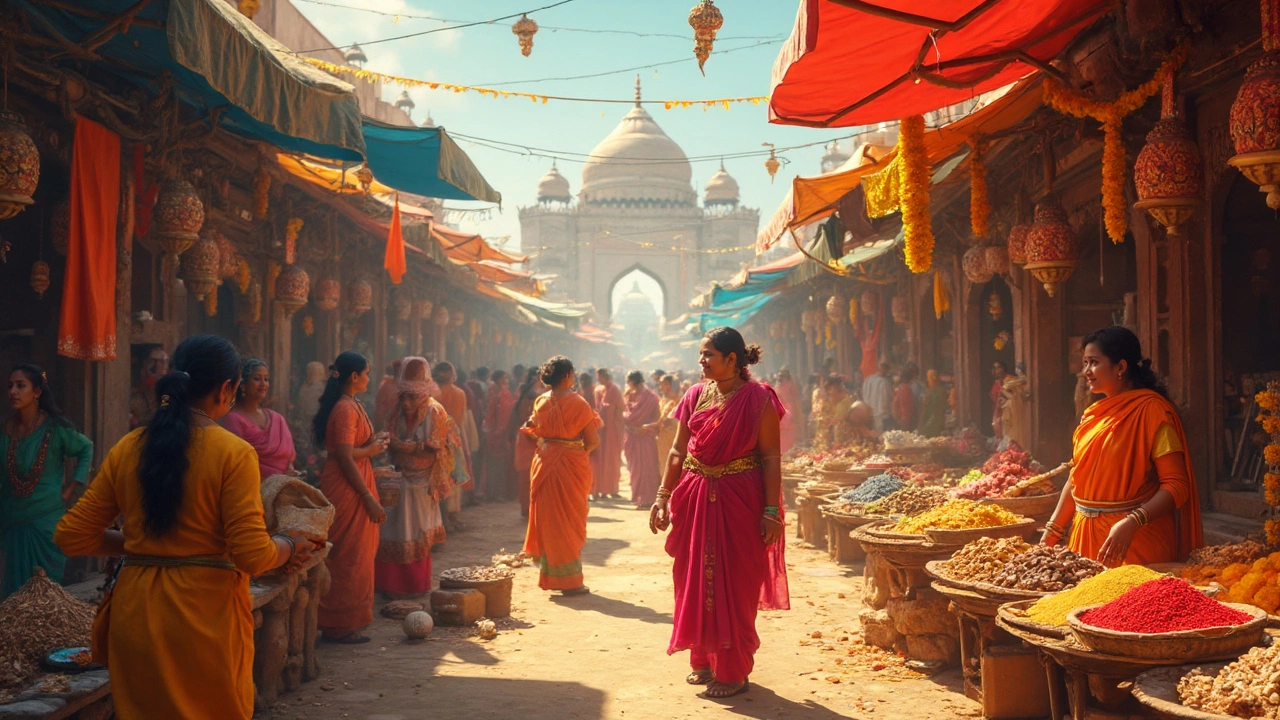
Travelers are drawn to India not only for its history and architecture, but also for its living culture and traditions. Unique activities like festival hopping, exploring vibrant markets, and tasting regional dishes keep people coming back. Heritage sites and spiritual journeys have a big pull, too. The country’s hands-on workshops and adventure offerings add another layer of fun. India's variety means everyone finds something that clicks with them.
More